

Shakshuka – often called ‘Eggs in Purgatory’ – is a vibrant and flavorful Middle Eastern and North African dish that has captured the hearts and palates of food enthusiasts worldwide. This wholesome and hearty meal features eggs gently poached in a rich, spiced tomato sauce, typically infused with ingredients like red bell peppers, onions, and an aromatic blend of seasonings. My rendition elevates this classic with the irresistible creaminess and tangy zest of feta cheese, transforming it into an even more delightful experience. It’s an ideal recipe for a weekend brunch, a satisfying breakfast, or even a light and comforting dinner.

Originally published on 9/9/2017
Unveiling Shakshuka: A Culinary Delight
At its core, Shakshuka is a simple yet profound breakfast recipe, where eggs are delicately cooked within a thick, warmly spiced tomato sauce. However, its true essence goes far beyond this basic description. Imagine golden-brown onions, softened to perfection, mingling with fragrant garlic and an exquisite medley of spices. This aromatic base then welcomes a luscious tomato puree, creating a deeply flavorful foundation. What sets my recipe apart is the generous inclusion of creamy, tangy feta cheese, which melts into the sauce, adding an extra layer of richness and complexity. Finally, the eggs are gently cracked directly into this wondrous concoction, poaching to tender perfection within the simmering, vibrant sauce.
The Allure of Eggs in Purgatory
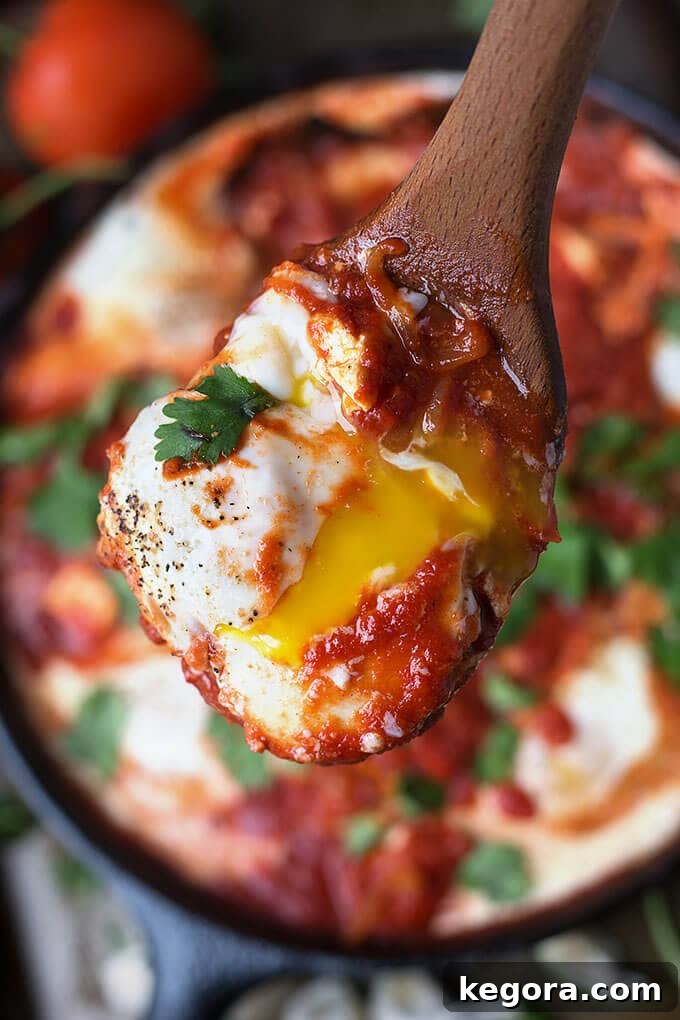
The evocative name “Eggs in Purgatory” perfectly describes the visual appeal of this dish: bright white eggs nestled in a fiery red sauce. The dish is celebrated across many cultures, and its exact origins are a subject of lively debate among culinary historians. While various Mediterranean and North African regions lay claim to its invention, it’s widely believed to have originated in Tunisia or Yemen before spreading throughout the Middle East and beyond. Regardless of its precise birthplace, Shakshuka has become a beloved staple, recognized globally for its comforting warmth and distinctive flavors. It’s also famously known in many parts of the world as a fantastic hangover cure – though you don’t need a reason to enjoy its deliciousness!
Why This Shakshuka Recipe Will Become Your Favorite
One of the many charms of Shakshuka is its incredible convenience. It’s a fast, one-pot (or one-skillet) meal, making it perfect for busy mornings or evenings when you crave something wholesome without a lot of cleanup. I particularly love preparing it in my trusty cast iron skillet, which provides excellent heat distribution and a beautiful presentation. The rich, flavorful tomato sauce, coupled with the soft, runny egg yolks, practically begs to be sopped up with crusty toast or warm pita bread. The addition of feta cheese in this recipe is a game-changer, transforming the traditional flavors into something uniquely delectable. The creamy, salty notes of the feta beautifully complement the tanginess of the tomatoes and the warmth of the spices.
This Shakshuka is more than just a meal; it’s an experience. It’s a dish that brings people together, offering a comforting and satisfying start to any day. Its versatility means you can easily customize it to your taste, adding more spice, different vegetables, or even a sprinkle of fresh herbs to make it your own. I genuinely hope you give my version of Shakshuka, or ‘Eggs in Purgatory,’ a try. It’s a recipe born from a visual inspiration – a simple photo of eggs in tomato sauce – that blossomed into this vibrant creation. I’m confident it will become a regular fixture in your culinary repertoire.
Mastering the Flavors: Ingredients and Spices
The heart of any great Shakshuka lies in its carefully balanced flavors, and my recipe is no exception. We start with a base of good quality olive oil, which is essential for sautéing the thinly sliced yellow onions until they reach a beautiful golden softness. This step is crucial as it builds a sweet, savory foundation. Freshly pressed garlic is then introduced, filling your kitchen with its irresistible aroma, followed by a symphony of spices: kosher salt, black pepper, a touch of cayenne for a subtle kick, earthy cumin, fragrant ground coriander, and sweet paprika. This blend creates a complex and aromatic profile that is distinctly Middle Eastern.
The body of the sauce comes from robust canned diced tomatoes (drained to prevent a watery sauce) and, importantly, a can of rich tomato puree. Using puree rather than a thinner sauce ensures a wonderfully thick, substantial base for the eggs. The unexpected hero here is the roasted red pepper, which adds a smoky sweetness and depth that perfectly complements the tomatoes. And, of course, the star addition: cubes of creamy feta cheese. As the feta gently melts into the bubbling sauce, it imparts a beautiful richness and a delightful salty tang that elevates every bite. Finally, fresh cilantro leaves are scattered generously over the top just before serving, providing a burst of freshness that brightens the entire dish.
Tips for the Perfect Shakshuka
- The Skillet: A large, heavy-bottomed skillet, preferably cast iron, is ideal. It retains heat exceptionally well, ensuring even cooking for both the sauce and the eggs. If you don’t have cast iron, any oven-safe skillet will do.
- Sautéing Onions: Don’t rush this step. Allowing the onions to slowly caramelize and soften for 15-20 minutes builds a crucial layer of flavor for your sauce.
- Spice Bloom: Adding the garlic and spices after the onions are soft and cooking them for just a minute allows their flavors to “bloom,” intensifying their aroma and taste before the tomatoes are added.
- Tomato Puree vs. Sauce: Stick to tomato puree as specified. Tomato sauce is often thinner and can result in a less robust Shakshuka, making it harder for the eggs to set correctly.
- Feta Integration: Stir the feta gently into the sauce. You want it to soften and distribute, but not completely disappear. Seeing those creamy chunks is part of the appeal.
- Egg Perfection: For perfectly poached eggs with runny yolks, cook them in the oven. The gentle, even heat of the oven is more forgiving than stovetop simmering, which can sometimes overcook the yolks. Watch them closely – 5 to 10 minutes is usually sufficient, but cooking times can vary depending on your oven and desired doneness. If you prefer to broil, be extra vigilant as eggs cook very quickly under direct heat.
- Garnish: Fresh cilantro is highly recommended for its bright, herbaceous finish. If you’re not a fan, fresh parsley or even a sprinkle of green onions would also be lovely.
Serving Suggestions for Your Shakshuka
Shakshuka is incredibly versatile when it comes to serving. The most classic accompaniment is crusty bread, pita bread, or challah, perfect for scooping up every last drop of the luscious tomato sauce and soaking up those runny egg yolks. Beyond bread, here are some other fantastic ideas:
- Grits: For a Southern twist, serve your Shakshuka over creamy grits. The combination of savory sauce and smooth grits is surprisingly delicious.
- Couscous: A bed of fluffy couscous can beautifully absorb the flavors of the sauce.
- Rice: Plain white or brown rice can also serve as a hearty base.
- Green Salad: Balance the richness of the Shakshuka with a simple, refreshing side salad dressed with a light vinaigrette.
- Avocado: Slices of fresh avocado add a creamy texture and healthy fats, complementing the dish wonderfully.
- Hot Sauce: If you love an extra kick, a drizzle of your favorite hot sauce can elevate the spice level.
- Yogurt: A dollop of plain Greek yogurt or labneh on the side can offer a cooling contrast to the spiced sauce.
There are countless variations of this recipe, and truly, there’s no “wrong” way to make it. The beauty of Shakshuka lies in its adaptability. You can add other vegetables like spinach, bell peppers, or zucchini, or even incorporate different types of cheese. Feel free to experiment and make this dish truly your own! I’m sure you’ll love this version, and it might just become a staple in your kitchen.
You Might Also Like
Tater Tot Breakfast Casserole
31 Fresh Tomato Recipes
Easy Breakfast Egg Bake
Chorizo Tomato Sauce
Recipe: Shakshuka (Eggs in Purgatory)

Shakshuka (Eggs in Purgatory)
By Sandy Clifton
Shakshuka (Eggs in Purgatory) is a Middle Eastern tomato and egg dish with delicious spices, red bell pepper, and onion. This version also features feta cheese for a rich and creamy flavor! A great brunch recipe!
Prep Time: 5 mins
Cook Time: 20 mins
Total Time: 25 mins
Servings: 4 servings
Ingredients
- 2 Tablespoons Olive Oil
- 1 Large Yellow Onion, halved and thinly sliced
- 3 cloves Garlic, pressed
- 1 teaspoon Kosher Salt
- ½ teaspoon Black Pepper
- ⅛ teaspoon Cayenne Pepper
- 2 teaspoons Cumin
- 1 ½ teaspoons Ground Coriander
- 1 Tablespoon Sweet Paprika
- 1 Roasted Red Pepper, sliced
- 1 14.5 oz can Diced Tomatoes, drained
- 1 29 oz Can of Tomato Puree (not sauce, as it’s too thin)
- 6 oz Feta Cheese*, cut in 1-2 inch cubes
- 6-8 Eggs
- 1 Handful of Fresh Cilantro Leaves
Instructions
- Heat oven to 375 degrees F.
- Heat a large skillet over medium heat. When hot, add the olive oil.
- Add the onions and sauté until soft and slightly golden, about 15-20 minutes. Stir occasionally.
- Reduce heat to medium-low. Add garlic and spices (salt, pepper, cayenne, cumin, coriander, paprika). Stir and cook for about a minute until fragrant.
- Add roasted red pepper, diced tomatoes, and tomato puree. Simmer until hot and bubbling, stirring occasionally.
- Add the feta cheese, stir gently, just to distribute, but not to blend in completely. You want most of the chunks to soften in place.
- Crack eggs, one at a time, directly into the hot tomato mixture, spacing them out evenly. Sprinkle each egg with a little salt & pepper.
- Put the skillet in the oven for 5-10 minutes, just until the egg whites are set and the yolks remain very soft, like a poached egg. If you prefer to broil, watch carefully as the eggs will cook much faster!
- Garnish with fresh cilantro and serve immediately. It’s delicious over grits or with bread!
Notes
*You can also try goat cheese, or fresh mozzarella for variation.
Nutrition
Calories: 335kcal
Nutrition information is automatically calculated, so should only be used as an approximation.
Additional Info
Course: Breakfast, Brunch
Cuisine: Middle Eastern
Tried this recipe? Mention @simply_happy_foodie on Instagram!