
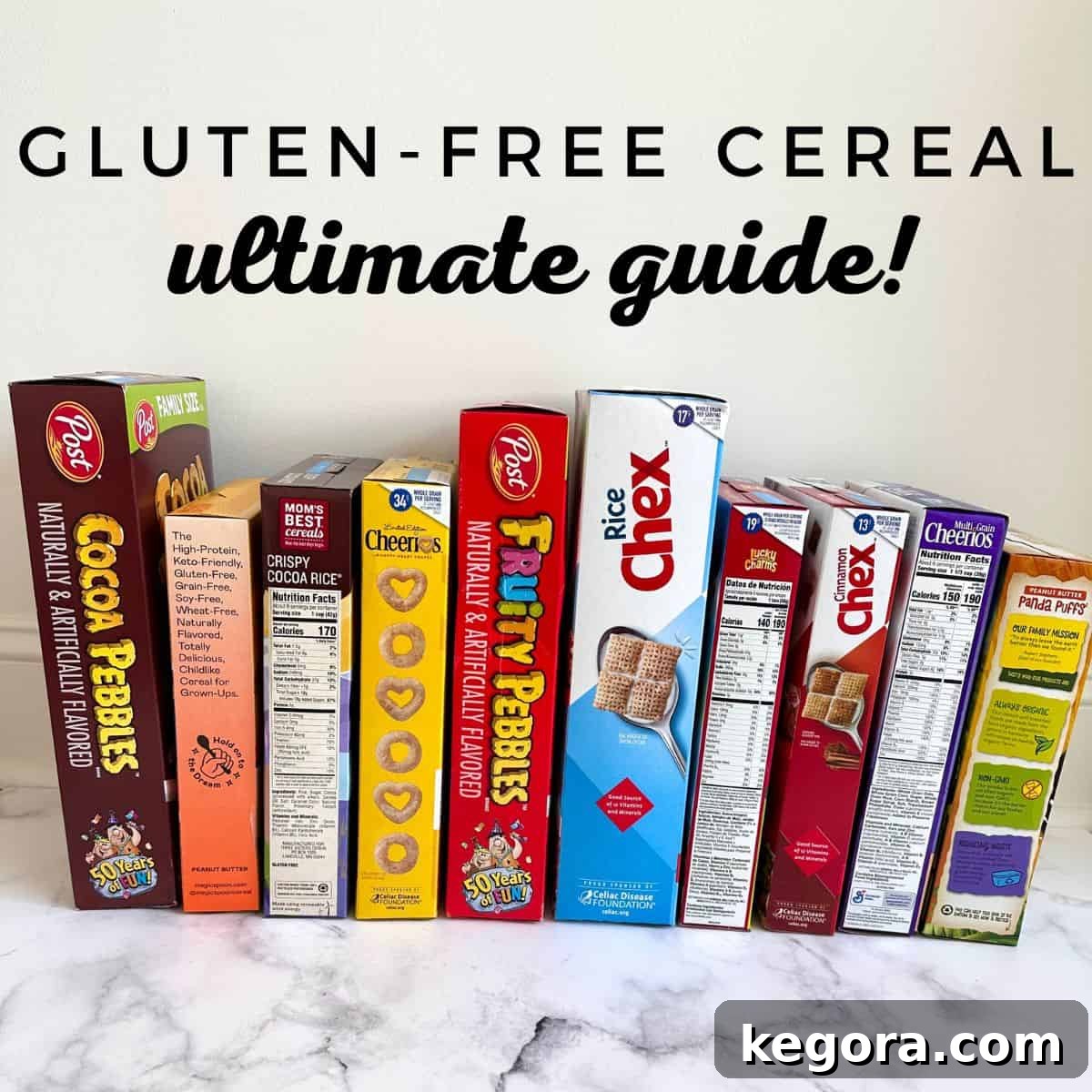
Navigating the world of gluten-free eating can feel like a maze, especially when it comes to breakfast staples like cereal. If you’re wondering which cereals are safe and delicious options for a gluten-free diet, you’ve landed in the right place! The good news is, an increasing number of popular and specialty brands are readily available and completely gluten-free. This comprehensive guide will help you identify the best choices, understand what “gluten-free” truly means, and ensure your morning bowl is both satisfying and safe.
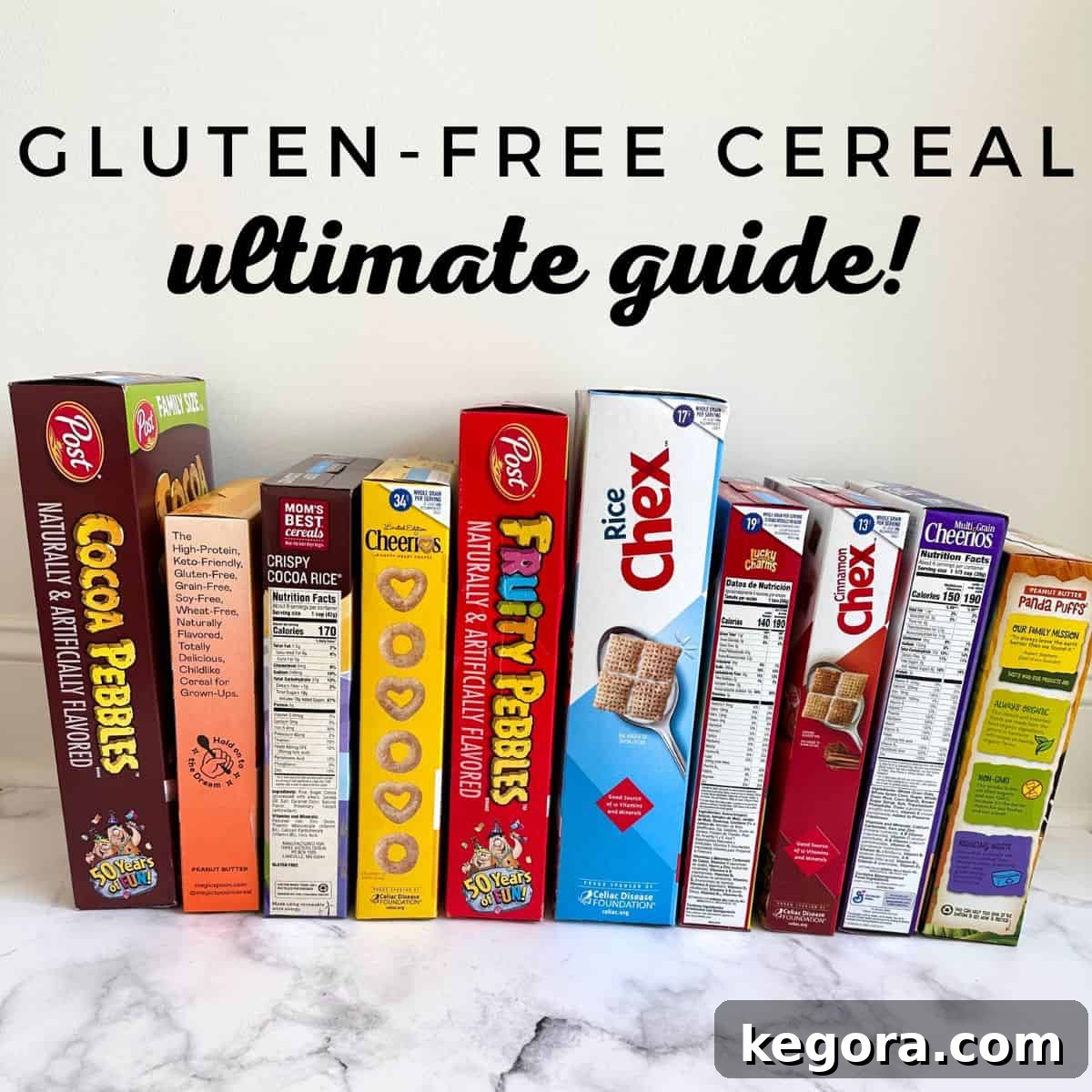
Cereal remains a beloved pantry staple for countless households. Whether it’s a quick breakfast before a busy workday, a convenient snack, or a comforting late-night treat, cereal delivers convenience and flavor. My family, including my kids and myself, genuinely enjoys a good bowl of cereal.
However, for individuals managing Celiac disease, gluten intolerance, or a general gluten-free lifestyle, the simple act of choosing a cereal can become complicated. Questions like “Are there truly delicious gluten-free cereal options available?” and “Which brands should I absolutely avoid?” frequently arise.
This detailed article is designed to answer all your burning questions. We’ll delve into the best gluten-free cereals on the market, clarify labeling standards, and help you confidently make informed choices for a delightful and worry-free breakfast experience.
Beyond cereal, explore more gluten-free culinary insights with our guides on gluten-free graham crackers, gluten-free hot chocolate, gluten-free popcorn, and a deep dive into whether oats are gluten-free. For a broader array of morning meal inspirations, discover our full list of gluten-free breakfast ideas!
Identifying Gluten-Free Cereals: What You Need to Know
The landscape of gluten-free eating has expanded significantly, and thankfully, many popular cereal varieties are either naturally gluten-free or specifically produced to meet gluten-free standards. Generally, any cereal that avoids ingredients derived from wheat, barley, or rye can be considered gluten-free. This includes tricky ingredients like malt extract or barley malt, which are common sources of hidden gluten.
The foundation of most gluten-free cereals includes grains like corn and rice. However, you’ll also find innovative options made with carefully sourced gluten-free oats, quinoa, amaranth, buckwheat, or millet, offering a diverse range of textures and nutritional profiles.
It’s crucial to understand that even cereals made without gluten-containing ingredients can pose a risk for those with severe sensitivities due to cross-contamination during the manufacturing process. This occurs when gluten-free products are processed on shared equipment or in facilities that also handle gluten-containing grains. Always exercise due diligence: some brands boast dedicated gluten-free facilities or implement rigorous separate machinery protocols, while others may not. When in doubt, further research into a brand’s manufacturing practices is highly recommended.
Decoding “Gluten-Free”: Understanding Labels and Certifications
Navigating the various “gluten-free” labels on cereal boxes can be perplexing, even for seasoned gluten-free consumers. A clear understanding of these designations is vital for making safe and confident choices.
Gluten-free cereals typically fall into three primary categories:
- Gluten-Free: This label, regulated by the FDA, signifies that a product contains less than 20 parts per million (ppm) of gluten. While this is the established legal standard in the United States, it’s important to remember that for some highly sensitive individuals, even trace amounts below this threshold can trigger adverse reactions.
- Certified Gluten-Free: Products bearing this certification have undergone rigorous additional testing and scrutiny by an independent, third-party organization, such as the Gluten-Free Certification Organization (GFCO) or NSF International. These certifications often adhere to stricter standards than the FDA, sometimes requiring less than 10 ppm of gluten. This provides an extra layer of assurance for consumers seeking the highest level of safety.
- Made Without Gluten-Containing Ingredients: This statement indicates that wheat, barley, or rye are not intentionally added to the product. However, it also implies that the product may be manufactured in a facility that processes gluten-containing foods, or on shared lines. Consequently, there is an inherent risk of cross-contamination during production. While these products might be suitable for individuals with milder sensitivities or those avoiding gluten by choice, they may not be safe for individuals with Celiac disease or severe gluten allergies.
Ultimately, the choice of what you are comfortable consuming rests with your personal judgment and the severity of your gluten sensitivity. If you have Celiac disease or a severe gluten allergy, prioritizing cereals that are “certified gluten-free” is generally the safest approach. For those with a milder intolerance, products “made without gluten-containing ingredients” might be acceptable, but always proceed with caution and monitor your body’s response.
Your Guide to Identifying Gluten-Free Cereal on the Shelf
Identifying gluten-free cereal can sometimes be straightforward, but often requires a keen eye and a bit of detective work. Here are four reliable methods to determine if a cereal is safe for your gluten-free diet:
- Official Gluten-Free Labeling: The most direct and reassuring indicator is a clear “gluten-free” label prominently displayed on the front or back of the cereal box. Look for the FDA-regulated label or, even better, a third-party certification seal (like GFCO or NSF). This is your quickest route to confidence.
- Thorough Ingredient List Review: If a gluten-free label isn’t present, don’t immediately dismiss the cereal. Carefully scrutinize the ingredient list. Avoid any ingredients that explicitly state wheat, barley, or rye. Be vigilant for less obvious gluten sources, such as:
- Malt or Malt Extract/Flavoring: Almost always derived from barley, making it a gluten-containing ingredient.
- Brewer’s Yeast: Often a byproduct of beer brewing, containing barley.
- Dextrin (unless specified “tapioca dextrin” or “corn dextrin”): Can be wheat-derived.
- Modified Food Starch (unless specified “corn starch” or “potato starch”): Can be wheat-derived.
- Natural Flavors (without “gluten-free” assurance): Can sometimes contain hidden gluten.
Always read the *entire* ingredient list, as formulations can change.
- Online Research & Company Websites: When in doubt, the internet is an invaluable resource. Visit the manufacturer’s official website. Many companies provide comprehensive allergen information, including detailed explanations of their manufacturing processes and potential cross-contamination risks. Some even have dedicated “gluten-free” sections. If the company explicitly states the cereal is made in a gluten-free facility or on dedicated lines, it’s a positive sign. Conversely, if there’s a disclaimer about potential cross-contamination, you’ll need to assess your personal comfort level and sensitivity.
- Nima Sensor Testing (for added assurance): For those who seek absolute certainty, a Nima sensor offers on-the-spot gluten detection. This portable device can test a small sample of food and display a “smiley face” if less than 20 ppm of gluten is detected, or a “frowny face” if higher levels are found. While it’s an investment, it can provide invaluable peace of mind, particularly when dining out or trying new products with uncertain labeling.
Further deepen your understanding of gluten-free grains and dairy alternatives with our articles: Is Oat Milk Gluten-Free?, Is Oatmeal Gluten-Free?, how to prepare Gluten-Free Steel Cut Oats, and delicious Gluten-Free Overnight Oats.
The Ultimate Gluten-Free Cereal Directory
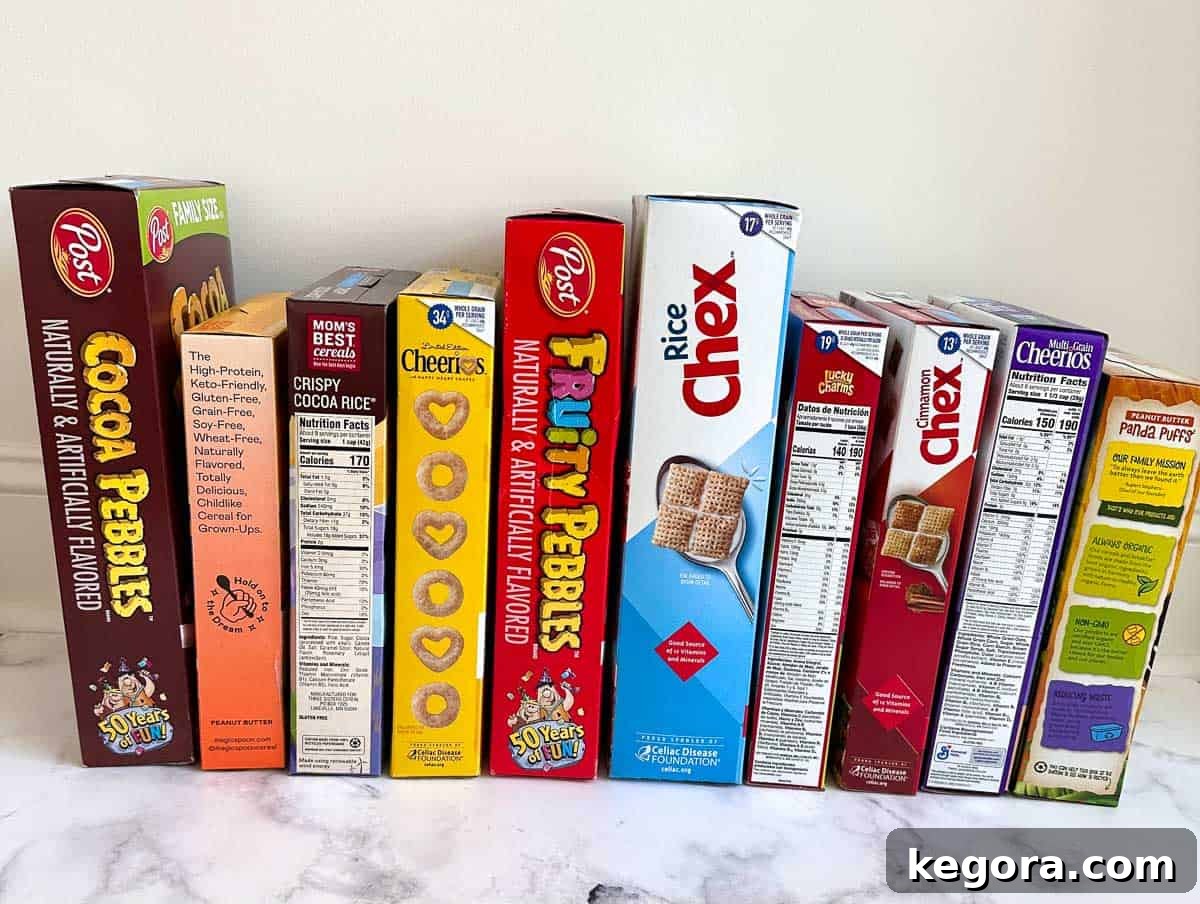
To simplify your grocery shopping, we’ve meticulously compiled an extensive list of gluten-free cereals available today. This comprehensive directory spans from organic, non-GMO varieties to widely recognized popular brands, ensuring there’s a delightful option for every palate and preference.
Wholesome & Health-Conscious Gluten-Free Cereals
While not all cereals can be categorized as “health food,” this selection represents “better-for-you” choices within the gluten-free market. Many of these brands prioritize organic ingredients, non-GMO sourcing, and are free from artificial colors, artificial flavors, and synthetic preservatives. They offer a great option for those seeking a more nutritious start to their day while adhering to a gluten-free diet.
- Annie’s Cinnabunnies: Organic and made with whole grain oats, offering a sweet, cinnamon swirl flavor.
- Nature’s Path Mesa Sunrise Flakes: A blend of corn, rice, quinoa, and amaranth, providing a hearty and nutritious crunch.
- Nature’s Path Corn Flakes: A classic, crispy option made from organic corn.
- Nature’s Path EnviroKidz Turle Splash: Fun, animal-themed shapes with a sweet, fruit-flavored profile, appealing to kids and adults alike.
- One Degree Organics (various varieties): Known for their sprouted, glyphosate-free grains and transparent sourcing.
- Barbara’s Puffins Honey Rice Cereal: Light, crunchy pillows with a touch of honey, made with brown rice.
- Barbara’s Brown Rice Crisp: A simple, wholesome crispy rice cereal, great as a base or on its own.
- Barbara’s Berry Burst Protein Puffins: Offering a protein boost with berry flavor in their signature puffed shape.
- Cascadian Farm Organic Berry Vanilla Puffs: Sweet and fruity, made with organic whole grain oats and rice.
- Van’s Cinnamon Heaven: A delicious cinnamon-flavored cereal from a brand known for gluten-free products.
- Van’s Honey Crunch: Sweetened with honey for a satisfying breakfast.
- Van’s Blissfully Berry: Packed with berry flavor for a vibrant morning meal.
- Van’s Cocoa Sensation: A chocolatey treat that’s also gluten-free.
- Envirokidz Panda Puffs: Organic peanut butter flavored corn puffs, a popular choice for families.
- Envirokidz Rino Rolls: Another fun, organic option with a slightly sweet taste.
- Mom’s Best Crispy Cocoa Rice: A budget-friendly chocolate crispy rice cereal.
- Mom’s Best Safari Cocoa Crunch: Animal-shaped cocoa cereal that’s both fun and gluten-free.
- Ancient Harvest Quinoa Flakes: A versatile, nutrient-dense option, great for hot cereal or baking.
- Love Grown Power O’s: Made from a blend of beans and rice, offering a good source of protein and fiber.
- Erewhon Cinnamon Crispy Brown Rice: Organic crispy rice with a hint of cinnamon.
- Erewhon Harvest Medley: A multi-grain blend for a diverse texture and flavor.
- Erewhon Crispy Brown Rice: A classic, simple crispy rice cereal from an organic brand.
Specialty & Online Exclusive Gluten-Free Cereals
This category features gluten-free cereals that may require a bit more effort to find. Some are available in select specialty grocery stores, while others are primarily purchased online directly from the brand or through e-commerce platforms like Amazon. These often cater to specific dietary needs or gourmet preferences.
- Magic Spoon: Known for its high-protein, low-carb, and grain-free options, replicating classic cereal flavors.
- Three Wishes: Grain-free and high-protein cereal made from chickpeas, offering a unique texture and nutritional profile.
- Seven Sundays: A range of mueslis and granolas that are certified gluten-free, focusing on whole, natural ingredients.
- Thrive Market Coconut Flakes: Organic, simple, and versatile coconut flakes, great on their own or as a topping.
- Purely Elizabeth Ancient Grain Granola: Certified gluten-free granolas made with nutrient-dense ancient grains and superfoods.
- KIND Gluten-Free Granola Clusters: Known for their wholesome ingredients and hearty clusters, perfect for snacking or breakfast.
- Bob’s Red Mill Gluten-Free Muesli: A blend of gluten-free oats, nuts, and seeds, offering a customizable breakfast experience.
- Erin Baker’s Ultra Protein Peanut Butter Granola: A robust, high-protein granola for sustained energy.
- Gluten-Free Oatmeal (various brands): Many brands like Bob’s Red Mill, Nature’s Path, and Gluten-Free Prairie offer certified gluten-free rolled or steel-cut oats.
Widely Available & Popular Gluten-Free Cereals
These are some of the most commonly found and beloved gluten-free cereals, produced by leading brands like General Mills and Post. Many consumers enjoy these classic breakfast cereals daily, often without realizing they are excellent gluten-free options. They are typically easy to find in most grocery stores across the country, making them a convenient choice for those adhering to a gluten-free diet.
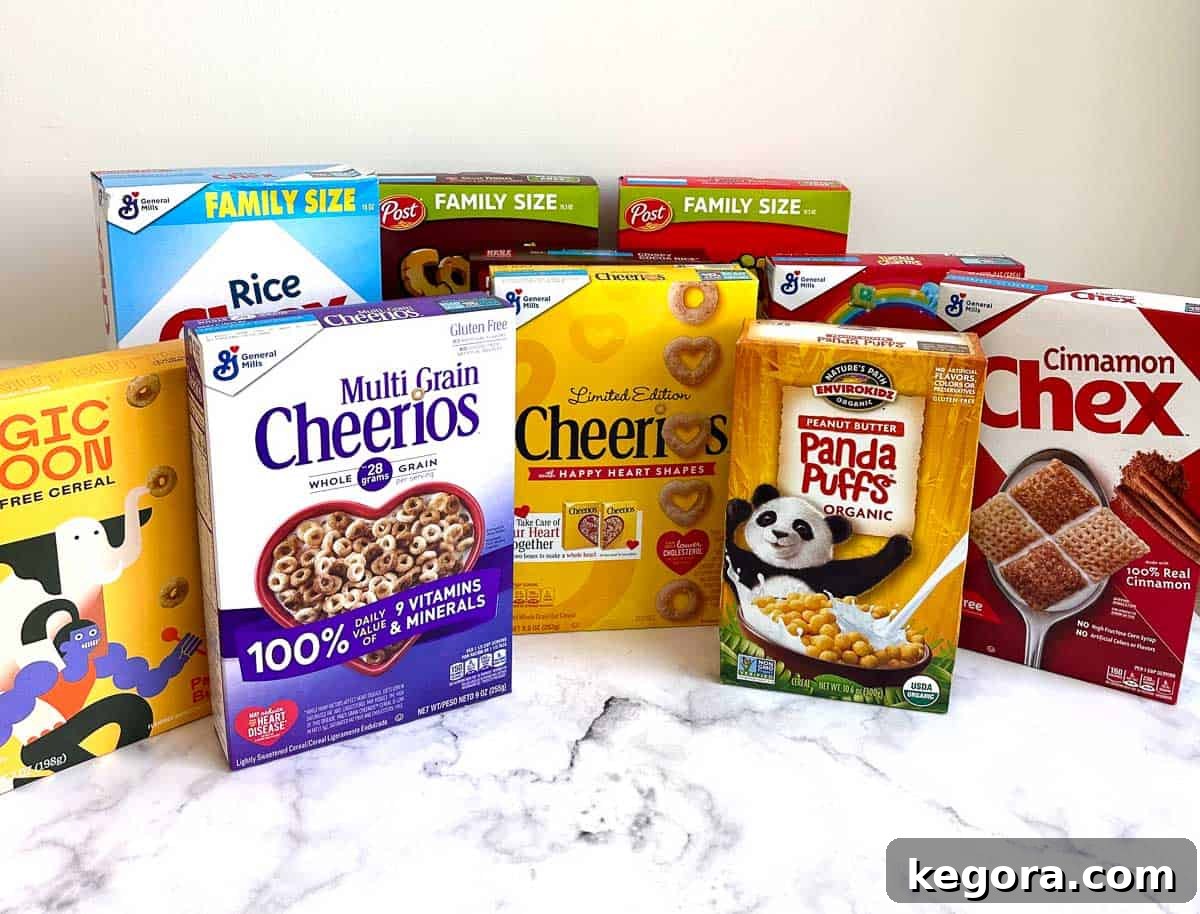
- Cheerios (Original, Honey Nut, Multi-Grain, and most other flavored varieties): General Mills has implemented a specific sorting process to ensure their oats are gluten-free, making many Cheerios varieties safe. Look for the “Gluten-Free” label on the box.
- Original Cheerios
- Apple Cinnamon Cheerios
- Chocolate Cheerios
- Cinnamon Cheerios
- Honey Nut Cheerios
- Fruity Cheerios
- Frosted Cheerios
- Banana Nut Cheerios
- Multi-Grain Cheerios
- Very Berry Cheerios
- Chex Cereals (Rice Chex, Corn Chex, and various flavored Chex varieties): General Mills offers a wide array of Chex cereals that are naturally gluten-free and clearly labeled. These are a versatile choice for breakfast or for making recipes like gluten-free Chex mix.
- Rice Chex (You also might like this gluten-free Chex mix!)
- Corn Chex
- Honey Nut Chex
- Vanilla Chex
- Apple Cinnamon Chex
- Peanut Butter Chex
- Blueberry Chex
- Chocolate Chex
- Cinnamon Chex
- Fruity Pebbles: A vibrant, fruity, and crispy rice cereal that is gluten-free.
- Cocoa Pebbles: The chocolatey counterpart to Fruity Pebbles, also gluten-free.
- Original Lucky Charms: The classic marshmallow cereal is gluten-free, with its oat-based pieces.
- Reese’s Puffs: While not officially certified gluten-free, this cereal is made without gluten-containing ingredients. Individuals with milder sensitivities might find it acceptable, but cross-contamination is a possibility.
- Kix: Another General Mills cereal made without gluten-containing ingredients, but not certified gluten-free.
- Trix: Similar to Kix and Reese’s Puffs, Trix is formulated without gluten-containing ingredients but lacks third-party certification.
Cereals to Strictly Avoid on a Gluten-Free Diet
While the list of gluten-free cereals is thankfully extensive, it’s equally important to be aware of the cereals that contain gluten and must be avoided. These cereals typically contain wheat, barley, rye, or non-certified oats in various forms. A particularly sneaky ingredient to watch out for is malt flavor or malt extract, which is derived from barley and is not safe for a gluten-free diet, even in small quantities.
Here is a definitive list of gluten-containing cereals to steer clear of if you are following a gluten-free diet:
- Rice Krispies: The classic Kellogg’s brand contains barley malt, rendering it unsafe. While the name suggests rice, the malt is the gluten culprit.
- Corn Flakes (most brands): Similar to Rice Krispies, many mainstream corn flakes contain barley malt. Always check the label for “malt flavoring” or “barley malt.”
- Corn Pops: Typically contains wheat and barley derivatives.
- Frosted Flakes: Another Kellogg’s product containing barley malt.
- Frosted Mini Wheats: Made primarily from whole grain wheat.
- Honey Bunches of Oats: Contains wheat and barley.
- Life Cereal: Contains whole grain oat flour, but often includes wheat flour and barley malt.
- Raisin Bran: Contains whole grain wheat as a primary ingredient.
- Shredded Wheat: Made entirely from whole grain wheat.
- Special K: Most varieties contain wheat and barley.
- Fruit Loops: Contains whole grain corn flour, but also includes wheat flour.
- Kashi (most varieties): Many Kashi cereals contain wheat, barley, or non-certified oats. Always check specific product labels.
- Chocolate Lucky Charms & Fruity Lucky Charms: While Original Lucky Charms are gluten-free, these flavored variations historically contained wheat-based ingredients or had different processing that made them unsafe. Always check the most current labeling.
- Cream of Wheat: Made from farina, which is a form of milled wheat.
Delicious Homemade Gluten-Free Cereal Alternatives
While the market for store-bought gluten-free cereals is robust, nothing quite compares to the freshness, customization, and cost-effectiveness of homemade alternatives. Preparing your own granola or oatmeal gives you complete control over ingredients, allowing you to tailor flavors and ensure absolute gluten-free integrity. Plus, they often taste superior and can be more nutritionally dense!
Here are some of my favorite homemade, gluten-free alternatives to traditional cereals:
- My Favorite Gluten-Free Granola
- Irresistible Chocolate Hazelnut Granola
- Instant Pot Creamy Pumpkin Maple Oatmeal
- Effortless Gluten-Free Overnight Oats
- Hearty Gluten-Free Steel Cut Oats
Are Cheerios Truly Gluten-Free? Addressing the Controversy
General Mills states that many varieties of Cheerios are gluten-free, containing less than 20 ppm of gluten. They achieve this by implementing a unique grain-sorting system designed to separate gluten-containing grains from the oats used in Cheerios production. While many Cheerios boxes are clearly labeled “gluten-free,” this claim is not typically certified by a third-party organization like GFCO. The use of “commodity oats” (oats that are not grown under Purity Protocol standards) has led to skepticism within some segments of the gluten-free community regarding the consistency and reliability of their gluten-free status. Ultimately, individual sensitivity levels and personal comfort will dictate whether Cheerios are a suitable option for your diet.
Are Most Corn Flakes Gluten-Free?
Unfortunately, the majority of conventional corn flakes brands are *not* gluten-free. This is primarily because they often contain gluten-containing ingredients such as barley malt or malt flavoring, added for taste and crispness. However, there are excellent gluten-free alternatives available. Look for brands specifically labeled “gluten-free,” such as Nature’s Path Organic Fruit Juice Corn Flakes and Nestle Gluten-Free Corn Flakes (availability may vary by region). For more detailed information, consult our dedicated post: Are Corn Flakes Gluten-Free?
Which General Mills Cereals Are Gluten-Free?
General Mills is one of the leading manufacturers offering a significant selection of gluten-free cereals. Their official gluten-free product list includes a wide variety of Cheerios, Lucky Charms (Original), Rice Chex, and Corn Chex. Always verify the most current product packaging for the definitive “gluten-free” label.
Is Raisin Bran Cereal Gluten-Free?
No, Raisin Bran cereal is not gluten-free. The primary ingredient listed on the nutrition label is typically whole grain wheat, which contains gluten. Therefore, Raisin Bran is unsuitable for individuals with gluten sensitivity or Celiac disease. For a thorough explanation, please refer to our article: Is Raisin Bran Gluten-Free?
Are Rice Krispies Gluten-Free?
The standard Kellogg’s Rice Krispies Cereal is not gluten-free because it contains malt flavoring, which is derived from barley. While Kellogg’s once offered a gluten-free version, it has since been discontinued. However, you can find excellent gluten-free crispy rice cereals from other brands, including Nature’s Path, Barbara’s, and Aldi (under their store brand), which are safe for gluten-free consumption.
Are Oats Naturally Gluten-Free, and How Do I Choose Safe Ones?
Oats are inherently gluten-free. The challenge arises from the high risk of cross-contamination with wheat, barley, or rye during farming, harvesting, transportation, or processing in facilities that also handle gluten-containing grains. For this critical reason, individuals on a gluten-free diet, especially those with Celiac disease, should only purchase oats that are explicitly labeled “gluten-free” and, ideally, “certified gluten-free.” These certifications often indicate that the oats have been grown, processed, and packaged using strict “Purity Protocol” methods to minimize or eliminate gluten exposure. For a comprehensive understanding, read our article: Is Oatmeal Gluten-Free?
The Bottom Line: Enjoying Gluten-Free Cereal with Confidence
Embracing a gluten-free lifestyle doesn’t mean sacrificing the simple pleasure of a bowl of cereal. As this extensive guide demonstrates, there’s a vast and growing selection of delicious, safe, and nutritious gluten-free cereals available to suit every taste and dietary need. By understanding labels, knowing which ingredients to avoid, and utilizing resources like this list, you can navigate grocery aisles with newfound confidence. Keep this ultimate list of gluten-free cereals handy, and enjoy a fulfilling breakfast every time, knowing you’ve made a smart, safe choice for your health.