
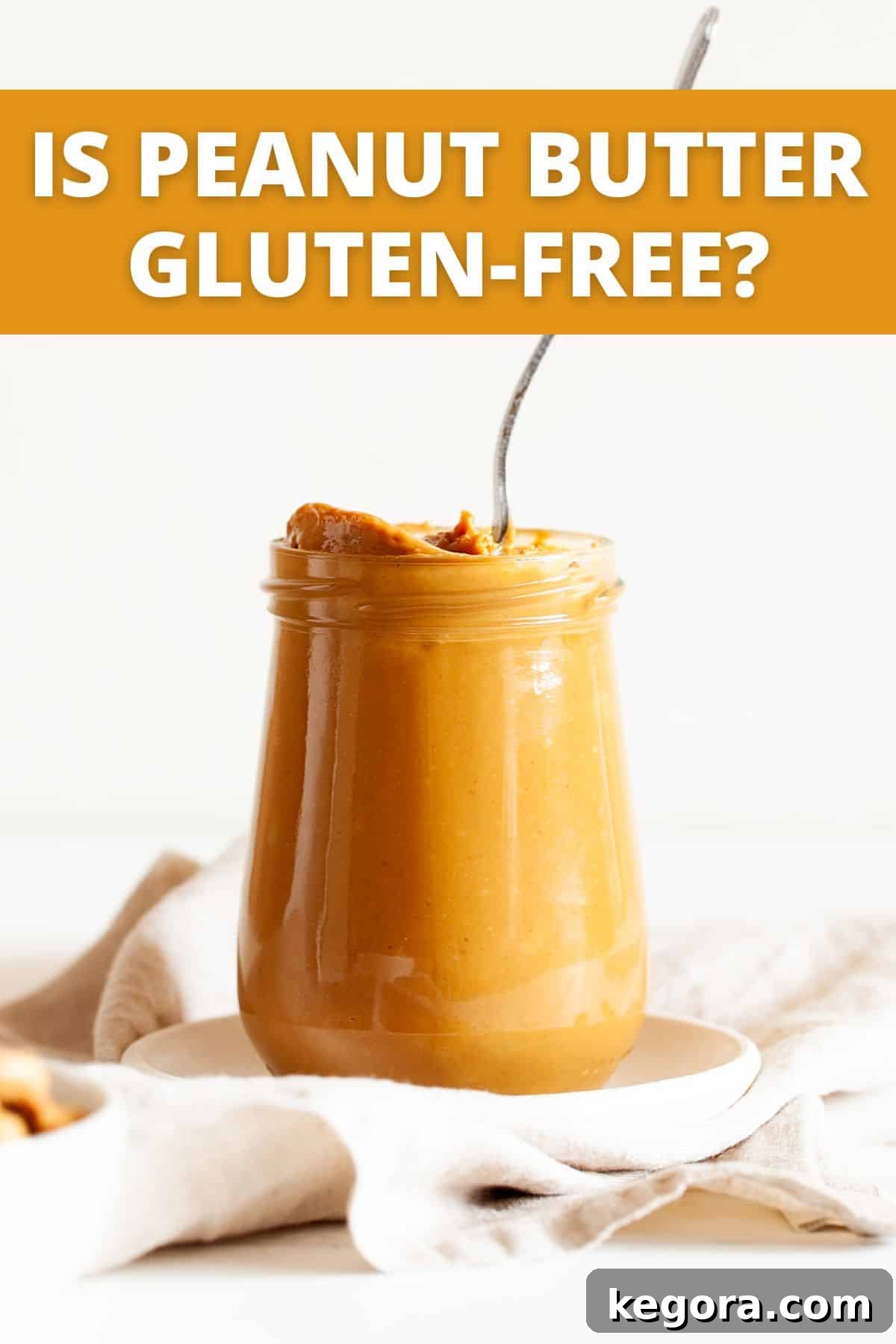
Creamy, rich, and undeniably delicious, peanut butter holds a special place in kitchens worldwide. From the classic peanut butter and jelly sandwich to decadent desserts and savory sauces, its versatility is unmatched. Whether you prefer it smooth or crunchy, natural or conventional, this beloved spread is a staple for many. But for those navigating a gluten-free diet, a crucial question often arises: Is peanut butter gluten-free?
Living a gluten-free lifestyle means carefully scrutinizing ingredient lists and understanding potential risks of cross-contamination. While many natural foods are inherently gluten-free, the journey from farm to grocery store shelf can introduce hidden gluten. This comprehensive guide will delve deep into the world of peanut butter, clarifying its gluten-free status, identifying safe brands, and providing essential tips to ensure your favorite spread aligns perfectly with your dietary needs.
Understanding Peanut Butter and Gluten: The Core Answer
Let’s get straight to the point: Yes, the vast majority of peanut butter found in grocery stores across the U.S. is naturally gluten-free and safe for individuals adhering to a gluten-free diet. This is fantastic news for anyone who loves peanut butter and needs to avoid gluten due to Celiac disease, non-Celiac gluten sensitivity, or a personal choice.
The reason for this inherent gluten-free status lies in its fundamental ingredients. Traditional peanut butter is made primarily from roasted, ground peanuts, often with a touch of salt. Peanuts themselves are legumes, not grains, and are naturally free of gluten proteins like wheat, barley, and rye. Therefore, in its purest form, peanut butter is a perfectly safe addition to your gluten-free pantry.
However, the journey doesn’t end there. While the core ingredients are safe, it’s always wise to exercise caution. The processing and addition of other ingredients can sometimes introduce gluten where you least expect it. This is why a discerning eye for nutritional labels remains your most powerful tool.
Is Every Single Jar of Peanut Butter Gluten-Free? Navigating Exceptions
While the general rule is that peanut butter is gluten-free, it’s crucial to understand that not *all* peanut butter products are guaranteed to be so. There are two primary reasons why certain peanut butter varieties might not be suitable for a gluten-free diet:
- Added Ingredients: Some peanut butter brands, particularly more processed or flavored varieties, may include additional ingredients that contain gluten. These could be stabilizers, flavorings, sweeteners, or other additives derived from wheat, barley, or rye. Always check the ingredient list for hidden gluten sources like “wheat flour,” “malt extract,” or “barley malt.”
- Cross-Contamination: Even if a peanut butter contains no gluten ingredients, it might be processed on shared equipment with gluten-containing foods. For individuals with Celiac disease or severe gluten sensitivities, even trace amounts of gluten from cross-contamination can trigger adverse reactions. Many companies will include a “may contain wheat” or “manufactured in a facility that also processes wheat” disclaimer if this is a risk.
To mitigate these risks, especially if you have a severe gluten allergy or Celiac disease, it is highly recommended to seek out peanut butter products that are specifically labeled “gluten-free.” This label signifies that the product has been tested and meets the FDA’s standard of containing less than 20 parts per million (ppm) of gluten, providing a much higher level of assurance.
Jif Peanut Butter: A Gluten-Free Favorite?
Jif is one of the most recognizable and widely consumed peanut butter brands in the United States. For many, Jif is synonymous with classic peanut butter taste, making its gluten-free status a frequent query.
Good news for Jif lovers: Most Jif peanut butter products are indeed gluten-free. The company itself provides clear guidance on this matter. According to their website, a vast majority of their peanut butters are certified gluten-free. They advise consumers to always look for the “gluten-free” claim prominently displayed on the back label of the jar for the most accurate and up-to-date information regarding specific products.
While Jif aims to provide gluten-free options, it’s always a good practice to verify the label of the specific product you intend to purchase, as formulations can occasionally change, or specialized flavors might differ in their gluten status.
Skippy Peanut Butter: Confirmed Gluten-Free
Another household name in the peanut butter aisle, Skippy, also offers a reassuring answer for gluten-free consumers. Produced by Hormel Foods, Skippy peanut butter is widely confirmed to be gluten-free, aligning with most major U.S. brands.
Hormel Foods verifies on their official website that Skippy peanut butter is considered a gluten-free food. This certification provides peace of mind for those managing a gluten-free diet, allowing them to enjoy Skippy’s creamy or super chunk varieties without concern. As with all packaged foods, a quick check of the label remains a smart habit, but Skippy products are generally a reliable choice.
The Purity of Natural Peanut Butter: Is It Gluten-Free?
Natural peanut butter, often characterized by its simple ingredient list (typically just peanuts and salt, with oil separation common), is frequently favored by health-conscious consumers. The good news is that these minimally processed varieties are almost universally gluten-free.
Yes, the vast majority of natural peanut butter brands are gluten-free. Because their composition is so straightforward—just ground peanuts and often sea salt—there are typically no added ingredients that could contain gluten. The absence of additional stabilizers, emulsifiers, or flavorings minimizes the risk of hidden gluten sources.
However, the importance of reading the ingredient list remains paramount. While rare, a natural peanut butter brand might still, for some obscure reason, include an ingredient or be processed in a way that introduces gluten. Always confirm that the ingredients are purely peanuts and salt to ensure you’re getting a truly natural and gluten-free product.
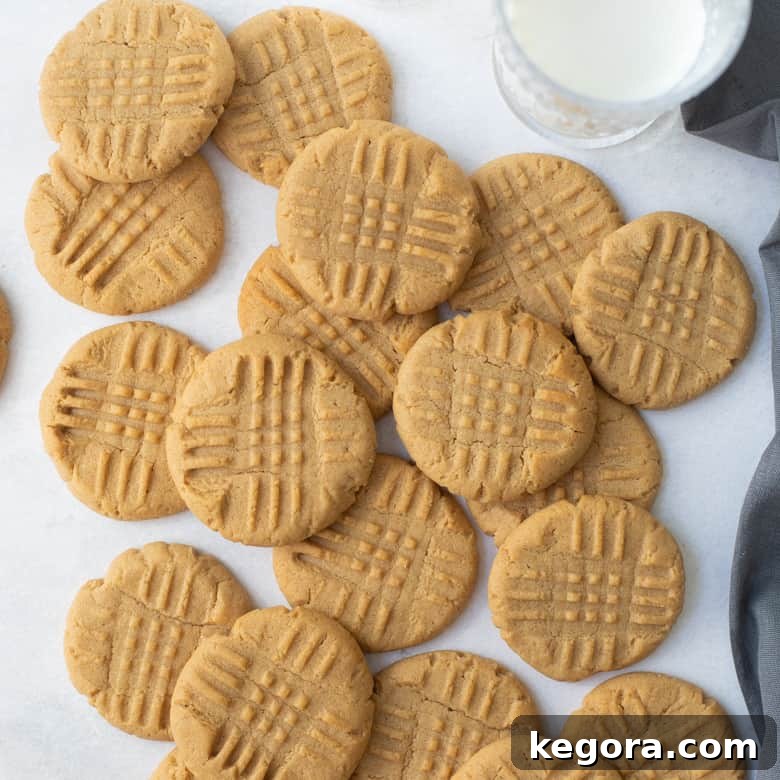
Looking for delicious ways to enjoy your gluten-free peanut butter? You’ll love this recipe for gluten-free peanut butter cookies with chocolate chips! Or try these fun and festive gluten-free monster cookies for a treat.
Identifying Top Gluten-Free Peanut Butter Brands
While most peanut butter is generally safe, opting for brands that explicitly label their products “gluten-free” offers the highest level of assurance, especially for those with Celiac disease or severe sensitivities. This label indicates that the product has been tested to meet strict gluten-free standards, typically less than 20 ppm of gluten.
Here’s a closer look at the gluten-free status of some popular peanut butter brands, providing peace of mind for your dietary choices:
- Adams: A brand known for its natural peanut butter, Adams is produced by J.M. Smucker Co. Their varieties are made simply from peanuts and salt, naturally devoid of gluten-containing ingredients. However, the company states that they do not make an official “gluten-free” claim because their products are not routinely tested to ensure they consistently contain less than 20 ppm gluten. While likely safe, those with severe sensitivities might prefer a certified option.
- Jif: As mentioned, Jif confirms that the majority of its peanut butter products are gluten-free and will be labeled as such if they meet certification standards. Jif also transparently notes that some products may be manufactured on equipment that also processes non-gluten-free products. This is a common industry practice, and for certified products, cross-contamination is managed to meet the 20 ppm threshold. Always check for the “gluten-free” label.
- Peter Pan: This brand categorizes its peanut butters into three groups: certified gluten-free, unlikely to contain gluten (but not certified), and those that might contain gluten. Products explicitly labeled “gluten-free” have been validated to contain less than 20 ppm gluten, making them a safe choice. Always verify the specific jar’s labeling.
- Smucker’s: Also under the J.M. Smucker company, Smucker’s peanut butter varieties are typically gluten-free. Similar to Jif, any Smucker’s peanut butter product that carries a “gluten-free” label has undergone testing and meets the standard of less than 20 ppm gluten.
- Justin’s: For those seeking a more premium or gourmet option, Justin’s is an excellent choice. This brand is certified gluten-free by the Gluten-Free Certification Organization (GFCO), one of the most stringent certification bodies. Their peanut butters are tested to contain less than 10 ppm gluten, offering an extra layer of assurance for sensitive individuals.
Peanut Butter: A Win for Dairy-Free and Gluten-Free Diets
For individuals managing multiple dietary restrictions, such as those who are vegan, dairy-intolerant, or following a dairy-free and gluten-free lifestyle, peanut butter offers even more good news. Most peanut butter is not only gluten-free but also naturally dairy-free.
Peanut butter’s primary ingredients are peanuts, which are legumes, not dairy products. Standard recipes typically include peanuts, salt, and sometimes palm oil or hydrogenated vegetable oil for texture and stability. While some processed peanut butters might contain added sugars, these are generally plant-derived and do not include dairy components.
This dual status makes peanut butter an incredibly versatile and convenient food for a broad range of dietary needs. Vegans can enjoy it without concern, and those avoiding dairy due to allergies or intolerance can safely incorporate it into their meals and snacks. So, whether you’re spreading it on gluten-free toast, adding it to a smoothie, or baking gluten-free, dairy-free cookies, peanut butter remains a reliable and delicious option.
Explore more gluten-free insights with our articles on are goldfish gluten-free, are oats gluten-free, is butter gluten-free, and discover how to make your own peanut butter from scratch.
Looking for meal inspiration? Check out our collection of gluten-free dinner recipes and these incredible gluten-free chicken recipes.
Don’t forget to try these fan-favorite recipes: easy peanut butter bars, addictive peanut butter popcorn, wholesome healthy peanut butter oatmeal bars, and the classic best scotcheroos recipe!
Is Peanut Butter Gluten- and Grain-Free?
When discussing dietary restrictions, the terms “gluten-free” and “grain-free” are often used interchangeably, but they have distinct meanings. Gluten refers to a specific protein found in wheat, barley, rye, and triticale. Grain-free, on the other hand, means the absence of all grains, including corn, rice, and oats, which are naturally gluten-free.
Yes, peanut butter is typically both gluten- and grain-free. Peanuts, as mentioned, are legumes and not grains. Therefore, a pure peanut butter made solely from peanuts, oil, and salt will naturally be free from both gluten and grains.
This makes peanut butter an excellent option for those following a paleo diet or other grain-free eating plans, in addition to being suitable for gluten-free diets. As always, the caveat remains: meticulously check the ingredient labels. Any added ingredients could potentially introduce grains or gluten, so ensure your chosen brand sticks to the simple, pure formula.
Are Raw Peanuts and Other Peanut Products Gluten-Free?
To fully understand peanut butter’s gluten status, it’s essential to confirm the status of its core ingredient: peanuts. Yes, raw peanuts are completely and naturally gluten-free. As legumes, they do not contain the proteins found in wheat, barley, or rye that trigger gluten sensitivities.
However, the natural gluten-free status of peanuts doesn’t automatically extend to *all* peanut-derived products. When peanuts are processed or combined with other ingredients, there’s a possibility of gluten introduction:
- Roasted Peanuts: Most plain roasted peanuts are gluten-free, but if they are flavored, check the seasonings. Some spice blends can contain gluten.
- Peanut Candies and Snacks: Many candies and snack mixes that contain peanuts may also include gluten-containing ingredients like wheat flour (in coatings or binders), malt, or other additives. Examples include certain chocolate bars, granola bars, or trail mixes.
- Cross-Contamination: Packaged peanuts or peanut products, similar to peanut butter, can be subject to cross-contamination if processed on shared equipment with gluten-containing grains.
For safe consumption, always inspect the labels of any peanut product. Look for explicit “gluten-free” claims, especially if you have Celiac disease or a severe gluten intolerance. When in doubt, stick to plain, unprocessed peanuts or brands you trust.
For more articles on living a delicious gluten-free life, explore these posts: is coffee gluten-free, are Doritos gluten-free, are potato chips gluten-free, are grits gluten-free, are Snickers gluten-free, and are marshmallows gluten-free.
And for fast-food options, you might appreciate this guide on gluten-free Chick-fil-A choices!
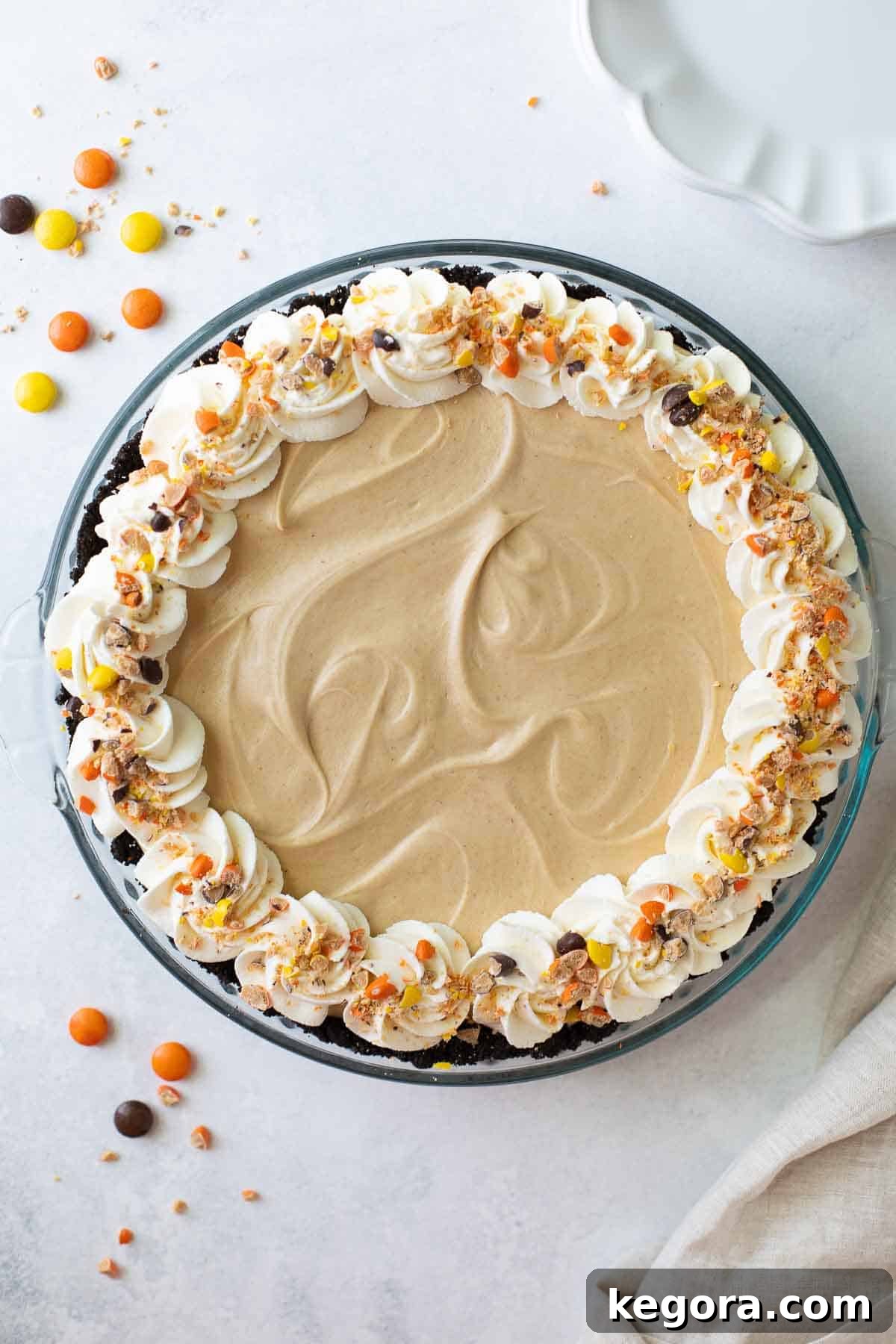
Satisfy your sweet tooth with these delightful recipes: gluten-free peanut butter pie, classic gluten-free peanut butter blossoms, or easy peanut butter balls with rice krispies!
Tips for Confidently Choosing Gluten-Free Peanut Butter
To ensure you’re always making the safest and most informed choice for your gluten-free diet, keep these practical tips in mind when shopping for peanut butter:
- Prioritize “Gluten-Free” Labels: This is the golden rule for individuals with Celiac disease or high sensitivity. A “gluten-free” label means the product meets legal standards (under 20 ppm gluten) and has been tested.
- Read the Ingredient List Carefully: Always scrutinize the ingredients. Look for a short, simple list, ideally just “peanuts” and “salt.” Be wary of lengthy lists with unfamiliar ingredients, flavorings, or modified starches which could potentially contain gluten.
- Watch for Allergen Warnings: Many food labels include a “Contains” statement for common allergens. Additionally, look for “May Contain” or “Processed on shared equipment” warnings. While not always indicating gluten, if it mentions wheat, barley, or rye, it’s best to avoid if you’re highly sensitive.
- Opt for Natural Varieties: Peanut butters with minimal ingredients (peanuts, salt) are generally the safest bet as they have fewer opportunities for hidden gluten or cross-contamination from additives.
- Stick to Trusted Brands: Once you find brands like Justin’s, Skippy, or specific Jif/Smucker’s varieties that you know are certified or reliably gluten-free, stick with them.
- Be Wary of Flavored Peanut Butters: While delicious, specialty flavors (e.g., honey roasted, chocolate swirl, cookie dough) are more likely to contain additional ingredients that might not be gluten-free. Always double-check these.
Frequently Asked Questions About Gluten-Free Peanut Butter
While the core ingredient, peanuts, is naturally gluten-free, not all peanut butter products are guaranteed to be. The majority of peanut butter sold in the U.S. is indeed gluten-free. However, some highly processed or flavored varieties might contain gluten-derived ingredients, or there could be a risk of cross-contamination from shared manufacturing equipment. For absolute certainty, always look for peanut butter with an explicit “gluten-free” label.
In its natural form, peanut butter is gluten-free. The rare instances where it might not be gluten-free stem from two main issues:
- Added Gluten Ingredients: Some brands might add stabilizers, flavorings, or other components derived from wheat, barley, or rye.
- Cross-Contamination: The peanut butter may be processed on equipment that also handles gluten-containing grains. Even if ingredients are gluten-free, this can introduce trace amounts of gluten, which is a concern for individuals with Celiac disease or severe sensitivities.
Products that haven’t been verified or tested for gluten content often won’t carry a “gluten-free” label.
A peanut butter and jelly sandwich can absolutely be made gluten-free! The crucial element is using gluten-free bread. Most peanut butter and jelly sold in the U.S. are naturally gluten-free. Just ensure you select a certified gluten-free bread and double-check the labels on both your peanut butter and jelly to confirm no unexpected gluten ingredients have been added.
A “certified gluten-free” label on peanut butter means the product has undergone rigorous testing by a third-party organization and consistently contains less than 20 parts per million (ppm) of gluten, which is the standard set by the FDA. Some certifications, like GFCO, even test down to 10 ppm, offering an extra layer of confidence for consumers with high sensitivities. This label provides the highest level of assurance.
Yes, individuals with Celiac disease can generally enjoy peanut butter! However, due to the severity of Celiac disease, it is highly recommended to choose peanut butter brands that are explicitly labeled “gluten-free” to mitigate any risk of cross-contamination or hidden gluten ingredients. These certified products ensure the gluten content is below the safe threshold for Celiac patients.
The Bottom Line: Enjoying Peanut Butter on a Gluten-Free Diet
In conclusion, the answer to “Is peanut butter gluten-free?” is overwhelmingly positive: Yes, most of the time, peanut butter is naturally gluten-free and a safe choice for those on a gluten-free diet.
Whether your preference is for smooth, crunchy, organic, or conventional varieties, the likelihood of your favorite peanut butter containing more than 20 ppm of gluten is very low. The primary ingredients of peanuts and salt are inherently free of gluten. Many popular brands, even without an explicit “gluten-free” label, are typically safe for consumption by individuals avoiding gluten.
However, vigilance remains key. For those with Celiac disease or severe gluten sensitivities, opting for products clearly marked “gluten-free” offers the highest level of assurance against both intentional gluten ingredients and accidental cross-contamination. Always make it a habit to scrutinize the ingredient list of any peanut butter product, especially flavored or highly processed varieties, to confirm it aligns with your dietary needs.
With careful label reading, you can confidently enjoy the delicious, versatile world of peanut butter as a cherished part of your gluten-free lifestyle.