
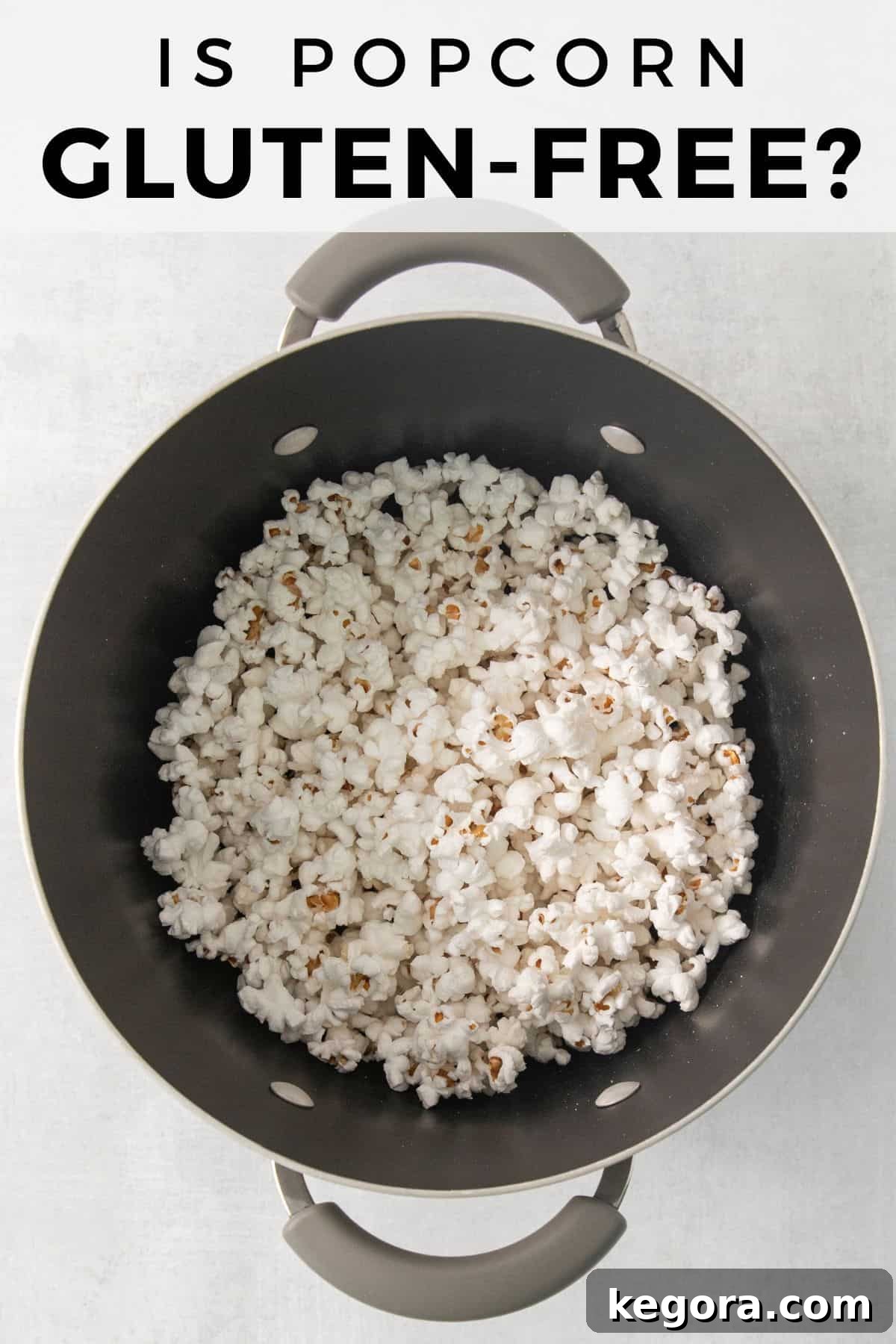
Is popcorn gluten-free? For anyone following a gluten-free diet, this common question often arises about one of America’s most beloved snacks. Dive into this comprehensive guide to uncover everything you need to know about enjoying popcorn safely and deliciously on a gluten-free journey!
Popcorn holds a special place in the hearts of many, instantly conjuring images of joyous occasions like movie theater outings, lively carnivals, festive parties, and cozy nights at home. Its signature blend of salty crunch, airy texture, and buttery goodness makes it an irresistible treat that transcends generations and preferences.
Beyond its indulgent appeal, popcorn also boasts remarkable versatility. It can be transformed into a wholesome, fiber-rich snack or a decadent, gourmet dessert. Whether you crave savory flavors or a sweet sensation, popcorn adapts beautifully, making it a perennial favorite. Indeed, it’s hard to dispute its status as one of America’s most cherished foods!
However, for individuals navigating a gluten-free lifestyle, questions naturally emerge about the safety of this popular snack. If you’re managing Celiac disease, gluten intolerance, or simply choosing to avoid gluten, you’re likely wondering: Is popcorn gluten-free?
This ultimate guide is designed to provide clear, detailed answers and practical advice, ensuring you can enjoy your popcorn with confidence. We’ll explore the fundamentals of popcorn, delve into common concerns, and arm you with the knowledge to make informed choices.
Is Popcorn Gluten-Free? The Definitive Answer
Let’s get straight to the point of one of the most frequently asked questions in the gluten-free community: Is popcorn gluten-free?
The short and reassuring answer is yes, in its most natural and unprocessed form, popcorn is inherently gluten-free. Popcorn kernels are derived from corn, which is a naturally gluten-free grain. This means that plain, air-popped, or stovetop popcorn made with just kernels, a touch of oil, and salt is generally considered safe for individuals with Celiac disease or non-Celiac gluten sensitivity.
However, like many foods, the gluten-free status of popcorn isn’t always straightforward once it leaves its natural state. Factors such as processing, flavoring, and preparation methods can introduce gluten where it wouldn’t naturally exist. Therefore, while the core ingredient is safe, it’s crucial to understand the nuances. We will explore these exceptions and potential pitfalls in detail throughout this guide, empowering you to make the best choices for your diet.
Understanding Gluten and How It Relates to Popcorn
To fully appreciate why popcorn is typically gluten-free, it helps to understand what gluten is. Gluten is a family of proteins found in certain grains, primarily wheat, barley, and rye. These proteins act as a “glue” that holds food together, giving it structure and elasticity. For people with Celiac disease, even tiny amounts of gluten can trigger an immune response that damages the small intestine, leading to a range of health issues. Those with non-Celiac gluten sensitivity may experience similar symptoms without the intestinal damage.
Corn, from which popcorn is made, belongs to the grass family Poaceae, but it does not contain the specific gluten proteins (gliadin in wheat, hordein in barley, secalin in rye) that trigger adverse reactions in individuals with Celiac disease or gluten sensitivity. Instead, corn contains its own unique proteins, primarily zein, which are structurally different and do not elicit the same harmful response. This is why corn and its derivatives, including plain popcorn kernels, cornflour, and cornstarch, are considered safe for a gluten-free diet.
The safety of popcorn, therefore, lies in its fundamental ingredient. When you buy plain, unflavored popcorn kernels, you are purchasing a naturally gluten-free product. The challenge arises when other ingredients are added during processing or preparation, which can inadvertently introduce gluten.
Which Types of Popcorn Are Gluten-Free? Navigating Your Choices
While the base ingredient of popcorn is gluten-free, the journey from kernel to snack can sometimes involve gluten-containing elements or cross-contamination risks. Knowing what to look for can help you enjoy popcorn without worry.
1. Homemade Popcorn from Plain Kernels: The Safest Bet
Making popcorn at home from plain, unpopped kernels is undoubtedly the safest and most reliable way to ensure your snack is 100% gluten-free. When you control the ingredients, you eliminate the risk of hidden gluten. All you need are popcorn kernels (which are naturally gluten-free), your choice of naturally gluten-free oil (like coconut oil, olive oil, or avocado oil), and a pinch of salt. You can also add pure butter for a classic flavor, as butter is also naturally gluten-free.
This method not only guarantees gluten-free integrity but also allows for complete customization of flavors, from simple salt and pepper to more elaborate sweet or savory seasonings, all chosen by you.
2. Store-Bought Popcorn (Pre-Popped, Microwave, and Kernels): Read Labels Carefully
When it comes to commercially prepared popcorn products, diligence is key. While many brands offer gluten-free options, others may pose risks due to additives or manufacturing practices.
- Unpopped Kernels (Bagged): Most plain, unflavored popcorn kernels sold in bags or containers are gluten-free. However, if you are highly sensitive, checking the label for cross-contamination warnings is still a good practice, especially if the product is processed in a facility that also handles gluten-containing grains.
- Microwave Popcorn: A popular convenience, microwave popcorn often contains more than just kernels. Flavorings, oils, and anti-caking agents can sometimes contain gluten or be processed on shared lines. Always look for a “Certified Gluten-Free” label to be sure.
- Pre-Popped/Bagged Popcorn: This ready-to-eat option is convenient but also varies widely in its gluten-free status. Sweet or savory coatings (like caramel, cheese powder, or spice blends) might contain gluten. Additionally, processing facilities can be a source of cross-contamination. Prioritize brands that explicitly state “gluten-free” on their packaging, or even better, are “Certified Gluten-Free.”
The Critical Importance of “Certified Gluten-Free” Labels
For individuals with Celiac disease or severe gluten sensitivity, the “Certified Gluten-Free” label is your strongest ally. This certification means that the product has undergone rigorous testing by a third-party organization and meets strict standards (typically less than 20 parts per million of gluten). Products with this label provide the highest level of assurance against gluten contamination.
While a product might be “gluten-free by ingredients” – meaning no gluten-containing ingredients are intentionally added – it might still be subject to cross-contamination if produced on shared equipment or in a facility that also handles wheat, barley, or rye. The “Certified Gluten-Free” stamp significantly reduces this risk, offering peace of mind.
Gluten-Free Popcorn Brands You Can Trust
The good news for gluten-free popcorn lovers is that many reputable brands offer safe and delicious options. Whether you prefer microwave popcorn, pre-popped bags, or plain kernels, you’ll find plenty of choices at your local grocery store that are either naturally gluten-free or explicitly certified.
Here’s a list of popular brands often considered gluten-free, with some noted for their certification:
- Orville Redenbacher: Many varieties are certified gluten-free, making it a reliable choice for kernels and microwave popcorn.
- Act II: Generally considered gluten-free for most of its microwave popcorn products, though checking individual labels is always recommended.
- Angie’s BOOMCHICKAPOP: A fantastic option for pre-popped, flavored popcorn, many of their products are certified gluten-free.
- SkinnyPop: Another highly popular pre-popped popcorn brand, known for many certified gluten-free varieties.
- Snappy Popcorn: Offers various kernels and supplies, typically naturally gluten-free.
- Kirkland Signature (Costco Brand): Many of their popcorn products, including pre-popped and kernels, are certified gluten-free.
- Jolly Time: A long-standing brand with many microwave and kernel products considered gluten-free.
- Pop Secret: While not all products carry a certification, most are made without gluten ingredients. We’ll delve deeper into Pop Secret below.
- 365 Whole Foods Market Popcorn: The store brand often has certified gluten-free options for pre-popped and microwave popcorn.
- Trader Joe’s Organic Popcorn: Known for their house-brand products, many of their popcorn varieties are gluten-free.
Remember, product formulations can change, so always double-check the ingredient list and look for explicit gluten-free labeling, especially for flavored varieties.
For more guides on gluten-free products and ingredients, explore our articles on is boba gluten-free, are oats gluten-free, gluten-free graham crackers, gluten-free hot chocolate, gluten-free cereal, and gluten-free pretzels.
Is Movie Theater Popcorn Gluten-Free? Unveiling the Truth
A trip to the movies often feels incomplete without a generous tub of buttery popcorn. But is this iconic cinematic snack safe for a gluten-free diet?
Generally, most movie theater popcorn is indeed gluten-free. The core ingredients — popcorn kernels, popping oil, and salt — are naturally free of gluten. The real butter or butter-flavored topping offered at most concessions stands is also typically gluten-free, consisting of oil-based emulsifiers and flavorings rather than actual dairy butter that might have additives.
Major cinema chains like AMC Theaters, Regal, Cinemark, and Marcus Theatres typically confirm that their plain popcorn (without special toppings or flavors) is gluten-free. They usually use plain kernels and gluten-free oils.
However, potential issues can arise from two main sources:
- Flavorings and Toppings: Some movie theaters might offer specialty popcorns with cheese powder, caramel, or other seasonings. These additives could contain gluten or be prone to cross-contamination. For instance, AMC’s allergen information might indicate that while plain popcorn is safe, their gourmet or cheese popcorn varieties are not.
- Cross-Contamination: While less common for the popcorn itself, shared scoopers, butter dispensers, or preparation areas could potentially transfer gluten from other concession items (like pretzels or certain candies) to your popcorn. For highly sensitive individuals, this might be a concern.
Always Ask: The best approach is to directly ask the staff at the concessions stand about their ingredients and preparation practices. Don’t hesitate to inquire if their popcorn contains any gluten-containing ingredients or if they can confirm its gluten-free status. Most establishments are knowledgeable and happy to assist.
Planning other gluten-free dining out? Check out these helpful articles on Jersey Mike’s gluten-free, Starbucks gluten-free, Panera gluten-free, Wendy’s gluten-free, Chipotle gluten-free, and Chick-fil-A gluten-free options.
Spotlight: Is Pop Secret Popcorn Gluten-Free?
Pop Secret is a widely recognized brand, particularly for its microwave popcorn. Many consumers following a gluten-free diet wonder about its safety. While Pop Secret does not consistently feature a “Certified Gluten-Free” label on all its products, it’s generally regarded as safe for individuals with Celiac disease or gluten intolerance, provided you use your best judgment and check ingredients.
According to statements made by Pop Secret to various sources, most of their popcorn varieties are formulated without gluten-containing ingredients. For example, a common ingredient list for Pop Secret’s Homestyle or Butter varieties often includes: Whole Grain Popcorn, Palm Oil, Salt, Natural Flavors, Annatto, and Paprika. Some varieties may also list “Contains: Milk” due to dairy-based flavorings, but milk is naturally gluten-free.
Key Considerations:
- Ingredient Transparency: Always review the specific ingredient list on the Pop Secret package you intend to purchase. While the core ingredients are safe, variations in flavors or limited-edition products might differ.
- Cross-Contamination: The main concern for non-certified products is the risk of cross-contamination during manufacturing. If you have extreme sensitivity to gluten, opting for a certified gluten-free brand might offer greater assurance.
For most individuals managing a gluten-free diet, Pop Secret popcorn without added gluten ingredients is a suitable choice. Enjoy it plain or consider adding your own gluten-free toppings!
You might also enjoy trying this vibrant salt and vinegar popcorn recipe for a tangy twist.
Spotlight: Is Smartfood Popcorn Gluten-Free?
Smartfood is another popular choice, particularly for its distinctive white cheddar flavor. Many varieties of Smartfood popcorn are made without gluten ingredients, and some, like their White Cheddar, are explicitly labeled gluten-free, offering a higher degree of confidence.
A typical ingredient profile for Smartfood products (e.g., Smartfood Movie Theater Butter Flavored Popcorn, as per their website) lists: Popcorn, Vegetable Oil (Corn, Canola, and/or Sunflower Oil), Salt, Maltodextrin (Made From Corn), Gum Acacia, Medium Chain Triglycerides, Butter (Cream, Salt), Natural Flavor, Skim Milk, and Tocopherols (Antioxidant). None of these primary ingredients are derived from wheat, barley, or rye.
Important Note on Certification: If a particular Smartfood variety is *not* labeled gluten-free, there’s a potential (though often small) risk of cross-contamination during the manufacturing and packaging process. This is a standard concern for any processed food that doesn’t carry explicit certification, especially if the facility handles gluten-containing items.
Therefore, when choosing Smartfood, look for varieties that clearly state “gluten-free” on the packaging to ensure it meets your dietary needs. The white cheddar variety is frequently a safe bet.
Is Buttered Popcorn Gluten-Free? Clarifying the Classic
Buttered popcorn is a timeless favorite, often synonymous with movie nights and festive gatherings. The good news is that buttered popcorn in its purest form is naturally gluten-free.
Real butter, derived solely from milk, does not contain gluten. When you combine naturally gluten-free popcorn kernels with real butter and a dash of salt, you’ve created a perfectly safe gluten-free snack.
However, the “buttered” aspect can become tricky when dealing with:
- Butter-Flavored Toppings or Oils: Many commercial popcorns, especially at movie theaters or in microwave bags, use butter-flavored oils or powders instead of, or in addition to, real butter. While most of these are gluten-free, it’s essential to ensure none contain hidden gluten ingredients or are produced in facilities with cross-contamination risks.
- Additives and Preservatives: Some pre-packaged buttered popcorn might include stabilizers, anti-caking agents, or flavor enhancers that could potentially contain gluten.
- Cross-Contamination: As with any processed food, if buttered popcorn is made or packaged on equipment shared with gluten-containing products, there’s a risk.
Recommendation: To be absolutely certain, make your buttered popcorn at home using plain kernels and real butter. If purchasing, always read the ingredient label carefully, look for a “Certified Gluten-Free” seal, and don’t hesitate to ask questions at food service establishments.
Is Microwave Popcorn Gluten-Free? Convenience vs. Caution
Microwave popcorn offers unparalleled convenience, allowing you to whip up a batch in minutes. For those on a gluten-free diet, the question of its safety is crucial.
Generally, most microwave popcorn varieties are considered gluten-free. The fundamental components — popcorn kernels, popping oil, and salt — are inherently gluten-free. Brands typically use vegetable oils (like palm or soybean oil) and simple seasonings.
However, the convenience factor often comes with added ingredients, and this is where caution is needed:
- Flavorings: Artificial butter flavors, cheese powders, or other seasoning blends sometimes contain gluten or are processed with gluten-containing carriers or anti-caking agents.
- Cross-Contamination: The primary concern for microwave popcorn that isn’t explicitly certified gluten-free is the potential for cross-contamination during manufacturing. These products are often produced in large facilities that also handle wheat, barley, or rye for other snack items.
For Celiac Disease or High Sensitivity: If you have Celiac disease or a high level of gluten sensitivity, it is highly recommended to seek out microwave popcorn brands that are explicitly “Certified Gluten-Free.” Fortunately, many major brands, including Act II, Orville Redenbacher, and Jolly Time, offer certified gluten-free options, making it easier to enjoy this quick snack safely.
Always make it a habit to scrutinize the ingredient list and look for that reassuring gluten-free label on the packaging.
For more insights into gluten-free snack options, check out our articles on are Fritos gluten-free, are Cheetos gluten-free, are Pringles gluten-free, and are Doritos gluten-free.
Tips for a Safe Gluten-Free Popcorn Experience
Enjoying popcorn on a gluten-free diet doesn’t have to be complicated. By following a few simple guidelines, you can indulge in this beloved snack worry-free:
- Prioritize Plain Kernels for Homemade Popcorn: This is the safest bet. Purchase unpopped popcorn kernels and prepare them at home using naturally gluten-free oils (like coconut, olive, or avocado) and seasonings.
- Always Read Labels: For any pre-packaged popcorn product (microwave, pre-popped, or flavored), make label reading a habit. Look beyond the front of the package and scrutinize the full ingredient list.
- Look for “Certified Gluten-Free”: This label is your strongest assurance, especially for those with Celiac disease or severe gluten sensitivity. It indicates third-party verification that the product meets strict gluten-free standards.
- Be Wary of Flavorings and Coatings: Caramel, cheese, or specialty spice blends can sometimes contain gluten or be prone to cross-contamination. If a product isn’t certified, investigate these ingredients.
- Inquire at Restaurants and Movie Theaters: Don’t hesitate to ask staff about their popcorn ingredients and preparation methods. Most places are happy to provide allergen information.
- Beware of Shared Fryers/Equipment: In some rare cases, if popcorn is prepared in a shared fryer that also cooks gluten-containing items, there could be a risk of cross-contamination. This is more relevant for specialty popcorn stands.
Delicious Gluten-Free Popcorn Recipes to Try at Home
Making your own gluten-free popcorn at home opens up a world of culinary creativity! Not only does it guarantee gluten-free safety, but it also allows you to experiment with an endless array of flavors, from sweet indulgences to savory delights. Get ready to transform simple kernels into extraordinary snacks with these beloved gluten-free popcorn recipes:
- Snickers Popcorn: A decadent treat combining the classic candy bar flavors with fluffy popcorn.
- White Chocolate Popcorn: Elegant and simple, perfect for a sweet craving or festive occasion.
- Candy Popcorn: A colorful, nostalgic favorite that’s surprisingly easy to make.
- Oreo Popcorn: Enjoy the iconic cookie flavor in a fun, popcorn-based snack (ensure gluten-free Oreos are used!).
- M&M Popcorn: A cheerful and delicious mix, perfect for parties or a family movie night.
- Peanut Butter Popcorn: A rich and satisfying combination for peanut butter lovers.
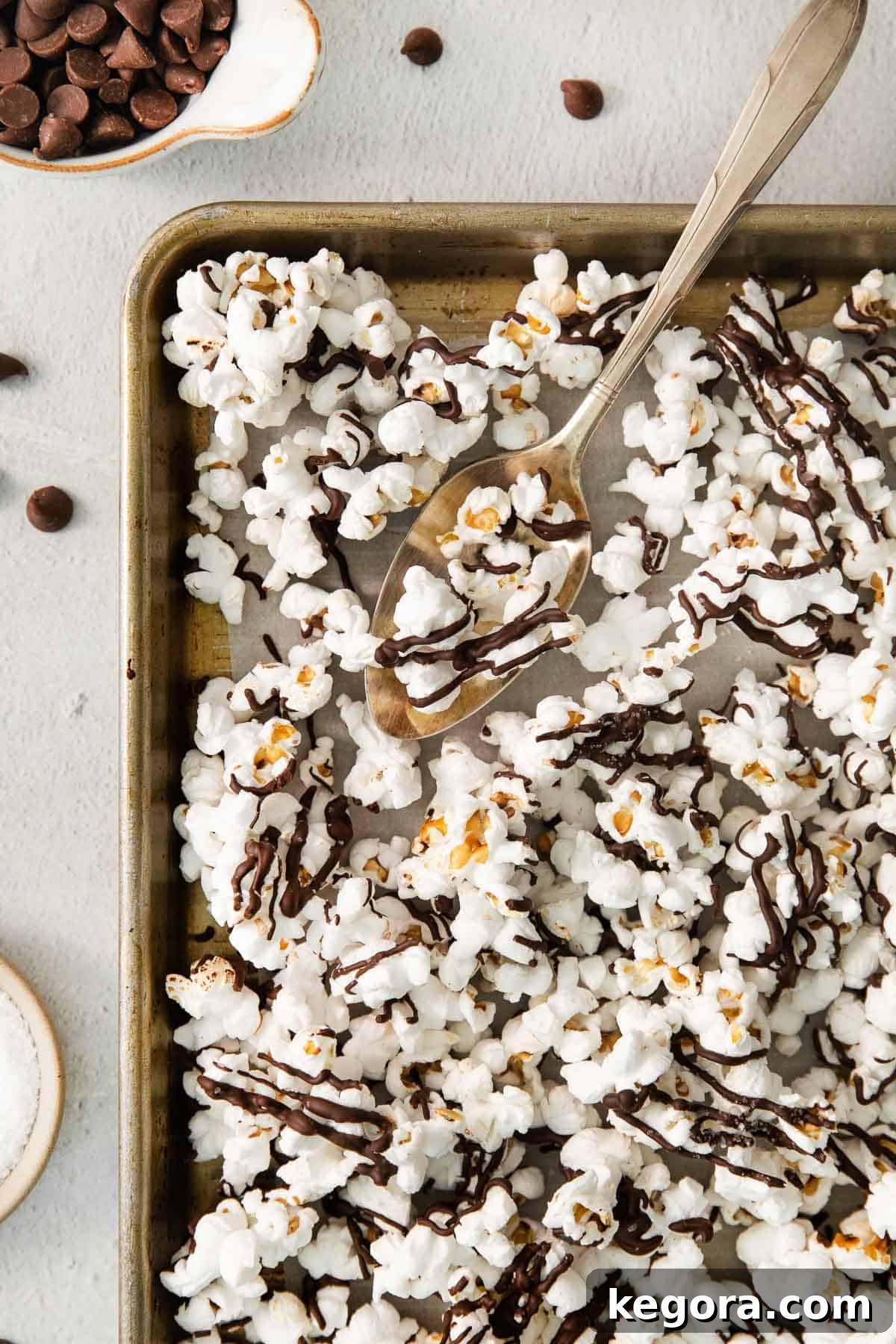
- Chocolate Drizzle Popcorn: A classic, elegant way to add a touch of sweetness to your popcorn.
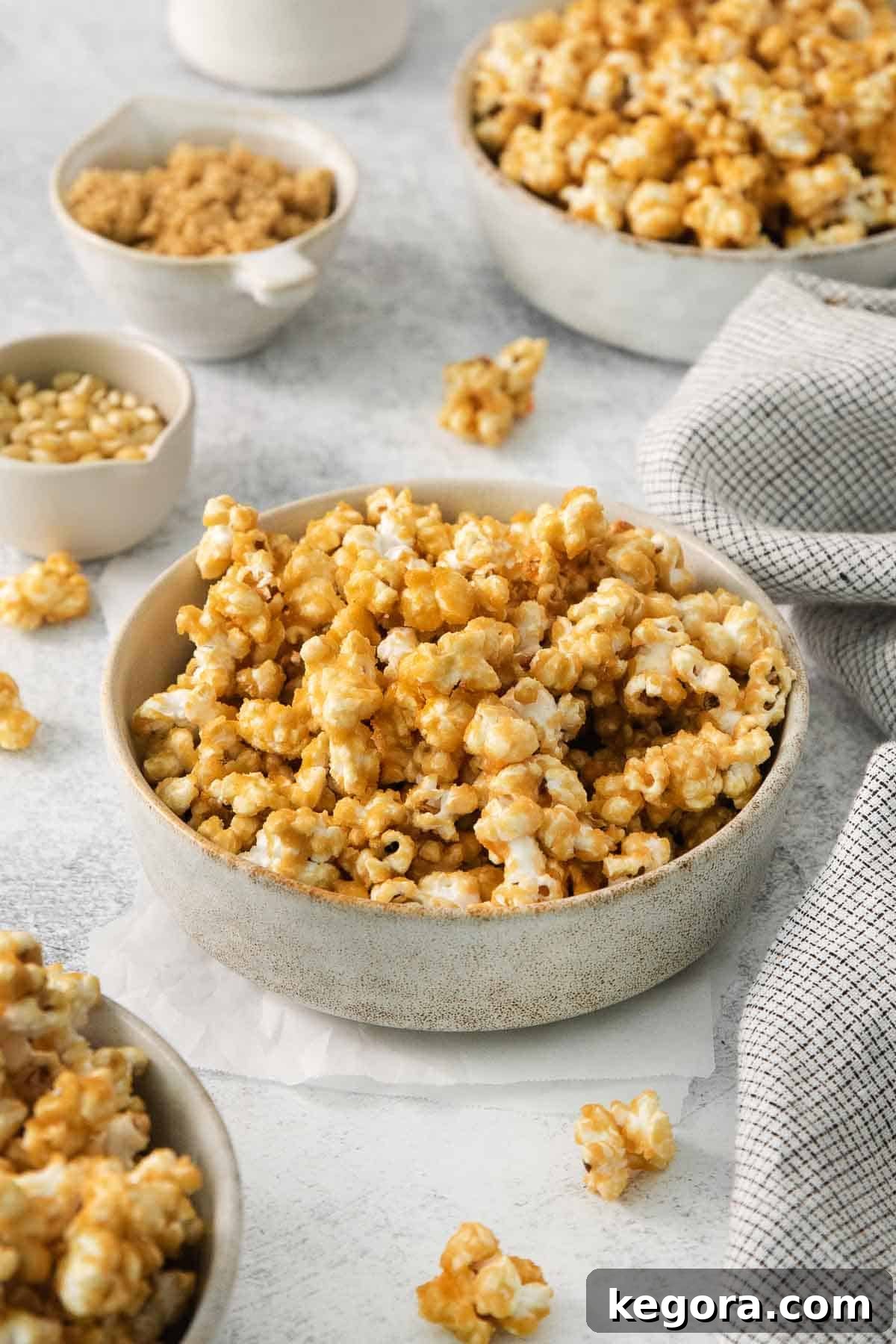
- Microwave Caramel Popcorn: A quick and easy method for achieving a delightful caramel coating.
- Best Caramel Corn: The ultimate recipe for achieving perfectly crisp, sweet, and chewy caramel corn.
For more seasonal gluten-free snack ideas, you might also like this fun Halloween snack mix.
FAQs: Your Gluten-Free Popcorn Questions Answered
No, while plain popcorn kernels are naturally gluten-free, not all popcorn products are. Processed popcorn, like certain microwave varieties or pre-popped bags with flavorings, may contain gluten additives or be subject to cross-contamination during manufacturing. For those with Celiac disease or high sensitivity, always check labels for “Certified Gluten-Free” status.
Many bagged popcorn brands are gluten-free, as plain popcorn is naturally so. However, the gluten-free status can vary significantly between brands and flavors. Reputable brands like Angie’s BOOMCHICKAPOP and SkinnyPop offer many certified gluten-free bagged options. Always read the ingredient list and look for a clear gluten-free label to avoid potential cross-contamination.
Caramel popcorn can be gluten-free, but it’s not a guarantee. The caramel coating itself is usually made from sugar, butter, and cream, which are naturally gluten-free. However, some recipes or commercial products might use wheat-based thickeners, flavorings, or other additives that contain gluten. Always review the ingredient list carefully and prioritize products with a “gluten-free” label.
Yes, most Orville Redenbacher popcorn varieties, including their plain kernels and many microwave popcorn options, are certified gluten-free. They clearly indicate this on their packaging, making them a trusted choice for individuals following a gluten-free diet due to Celiac disease or gluten sensitivity.
According to AMC Theatres’ allergen information, their plain popcorn is considered gluten-free. This typically includes the kernels, popping oil, and standard butter-flavored topping. However, gourmet popcorn, caramel corn, or cheese popcorn varieties offered by AMC or other theaters may contain gluten or be subject to cross-contamination. It’s always best to confirm with staff directly if you have specific dietary concerns.
Yes, plain air-popped popcorn can be a very healthy and nutritious snack. It is a whole grain, rich in fiber, and contains antioxidants. When prepared without excessive oil, butter, sugar, or artificial additives, it contributes to a balanced gluten-free diet. The healthiness largely depends on how it’s prepared and what toppings are added.
Absolutely! Individuals with Celiac disease can safely enjoy plain popcorn, as corn is naturally gluten-free. The key is to ensure that the popcorn product is not contaminated with gluten during processing or preparation. Opt for plain kernels made at home, or choose pre-packaged varieties that are clearly labeled “Certified Gluten-Free” to avoid any risks.
The Bottom Line: Enjoying Gluten-Free Popcorn Confidently
To summarize, the delicious and versatile snack we know as popcorn is, in most cases, naturally gluten-free. The humble popcorn kernel is derived from corn, a grain that does not contain the gluten proteins found in wheat, barley, and rye, making it inherently safe for individuals with Celiac disease or gluten intolerance.
However, navigating the world of popcorn on a gluten-free diet requires a mindful approach. While plain kernels, oil, and pure butter are safe bets, complications can arise with commercially prepared popcorn due to added flavorings, specific recipes, or the risk of cross-contamination in shared manufacturing facilities.
Your best strategy for ensuring a safe and enjoyable gluten-free popcorn experience is twofold: prioritize making your own popcorn from plain, certified gluten-free kernels when possible, and for store-bought options, always meticulously check ingredient labels. Look for products that explicitly carry a “Certified Gluten-Free” seal for the highest level of assurance.
With this knowledge in hand, you can confidently indulge in this beloved snack. Happy snacking!