
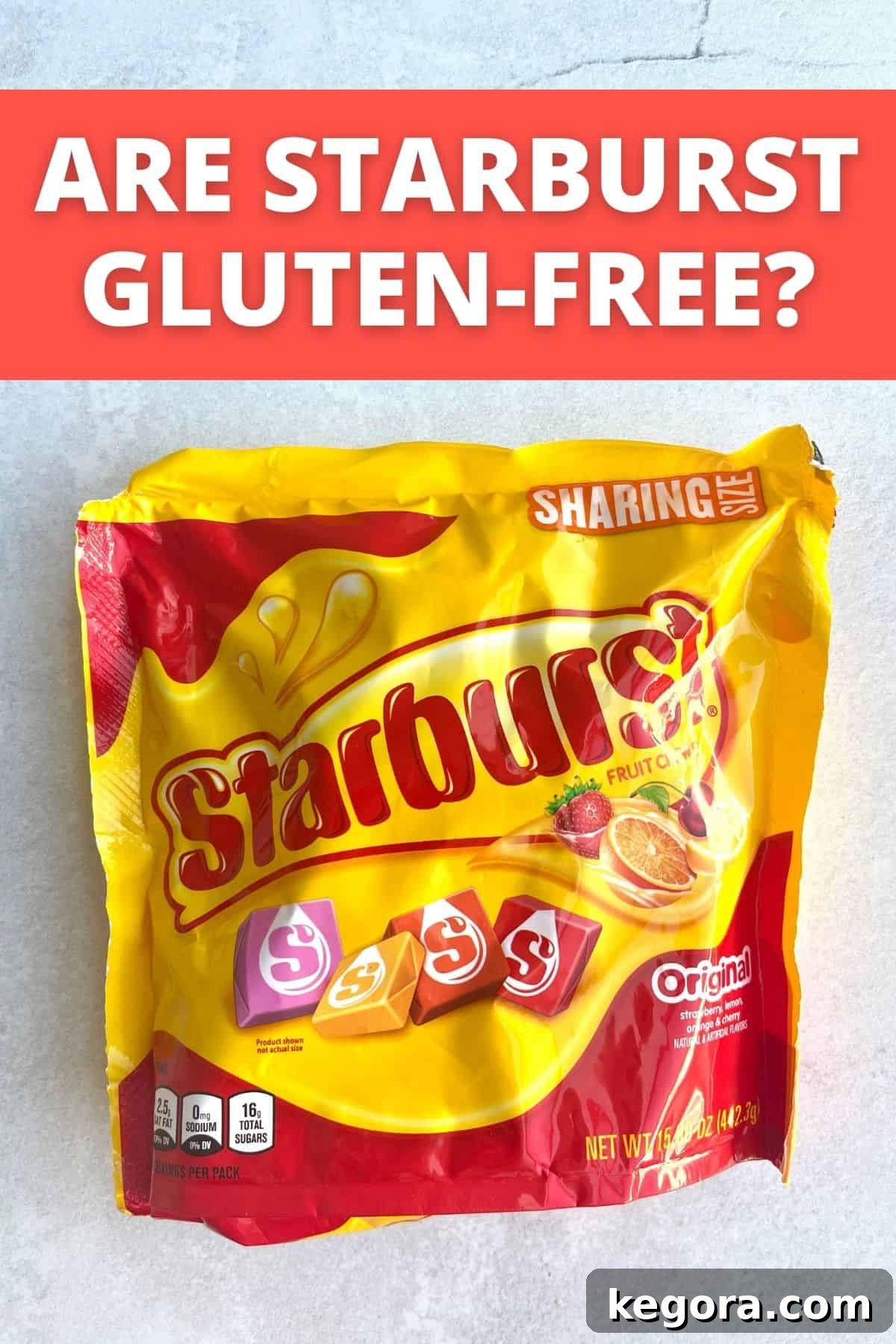
Navigating dietary restrictions, especially a gluten-free lifestyle, often means meticulously checking ingredient labels on everyday foods and treats. For many, candy offers a simple pleasure, but the question remains: Are Starbursts gluten-free? If you’re wondering whether these iconic chewy candies fit into your gluten-free diet, you’ve come to the right place. We’re here to provide all the essential details to help you make informed choices, ensuring your snack time remains worry-free and delicious.
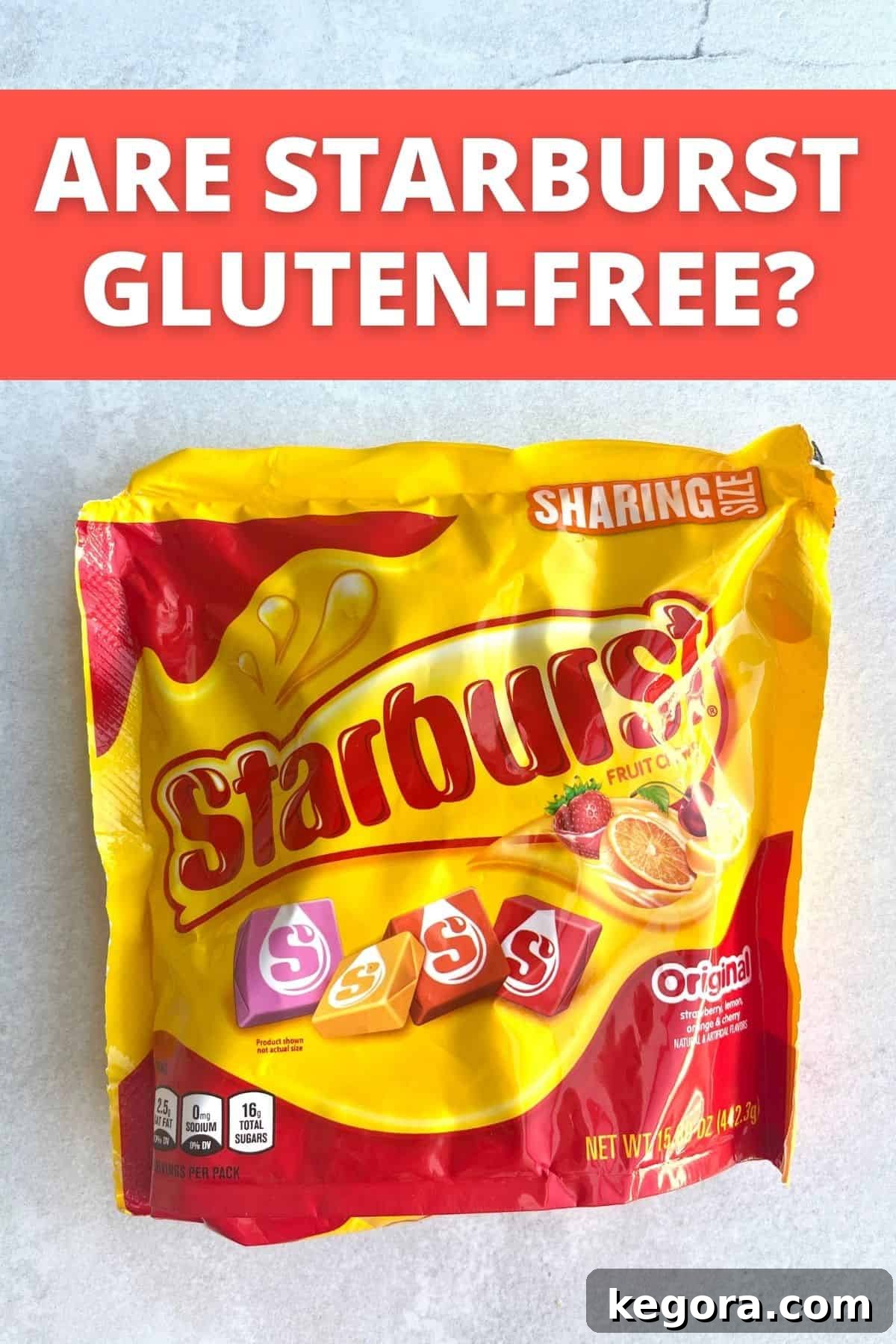
Starbursts are a beloved treat that transcends generations and occasions. Whether you’re unwrapping them during a movie night, collecting them while trick-or-treating, or grabbing a handful at a festive gathering, these soft taffy candies are instantly recognizable. Their vibrant colors and intensely fruity flavors have captivated taste buds for decades, making them a staple in candy bowls and lunchboxes alike.
These chewy, delightful squares are celebrated for their burst of flavor, with each color offering a distinct fruit sensation. Among their devoted fan base, the pink and red flavors often stand out as universal favorites. Such is their popularity that Mars Wrigley, the confectionery giant behind Starbursts, even offers special bags containing only the coveted pink and red Starbursts – a testament to their widespread appeal.
Originally launched in the UK as “Opal Fruits” in 1960 before being rebranded as Starburst in 1967 for the U.S. market, these chewy candies have maintained their status as a preferred sweet treat for both children and adults. Their consistent quality and irresistible taste make them a timeless classic. But for those on a gluten-free diet, a crucial question arises: can you enjoy these fruity chews without concern?
Are Starbursts Gluten-Free? The Definitive Answer
When it comes to dietary restrictions, clarity is key. So, let’s address the pressing question: are Starbursts gluten-free? The good news for gluten-free enthusiasts in the United States is a resounding YES! Starburst fruit chews sold in the U.S. are indeed free of gluten-containing ingredients and are generally considered safe for individuals following a gluten-free diet.
This assurance stems from the careful selection of ingredients by Mars Wrigley for their U.S. products. The primary components of Starbursts typically include sugar, corn syrup, and hydrogenated palm kernel oil, none of which naturally contain gluten. Furthermore, Mars Wrigley states that Starbursts sold in the United States do not come into contact with gluten during the manufacturing process, effectively minimizing the risk of cross-contamination. This makes them a reliable choice for those with gluten sensitivities or Celiac disease.
However, it’s crucial to understand that the gluten-free status of Starbursts is not universal across all countries. While safe in the U.S., the formulation can differ significantly in other regions. For instance, if you purchase Starbursts in countries like Australia or New Zealand, you might find that their ingredients list includes glucose syrup or thickeners derived from wheat flour. These wheat-based components would, of course, make them unsuitable for a gluten-free diet. This regional variation underscores the paramount importance of reading the ingredient label meticulously, regardless of where you are purchasing your candy.
Whether you’re reaching for the classic original flavors or exploring seasonal varieties, always take a moment to review the package. Ingredient lists are your most reliable guide to ensure that the Starbursts you choose align with your gluten-free needs.
Are Starbursts Safe for Those with Celiac Disease?
For individuals with Celiac disease, even trace amounts of gluten can trigger severe immune responses. Therefore, the question of safety extends beyond merely avoiding gluten-containing ingredients to include concerns about cross-contamination during production. The excellent news is that Starburst fruit chews, as sold in the United States, are widely considered safe for those with Celiac disease or other severe gluten-related food allergies.
Mars Wrigley, the manufacturer, is generally diligent about identifying allergens. In the United States, the standard ingredient list for Starbursts typically includes sugar, corn syrup, hydrogenated palm kernel oil, fruit juice from concentrate, citric acid, dextrin, natural and artificial flavors, gelatin, and carnauba wax. None of these ingredients inherently contain gluten. Moreover, the company’s manufacturing processes for Starbursts in the U.S. are managed to prevent gluten contamination, giving Celiac sufferers peace of mind.
As previously mentioned, this safety assurance is primarily for products sold within the United States. International versions of Starbursts may have different formulations, sometimes incorporating wheat-derived ingredients due to local regulations, ingredient availability, or consumer preferences. Always double-check the ingredient label if you are outside the U.S. to ensure that the candy meets your specific dietary requirements and does not pose a risk.
Are Starbursts Gluten-Free Certified?
It’s important to distinguish between a product being “gluten-free” (meaning it contains no gluten ingredients and is safe) and being “gluten-free certified.” Starburst candies, while free of gluten-containing ingredients in the U.S. and safe for those on a gluten-free diet, are not officially labeled or certified as “gluten-free” by a third-party organization.
The U.S. Food and Drug Administration (FDA) has specific regulations regarding “gluten-free” labeling. For a product to be labeled gluten-free, it must contain less than 20 parts per million (ppm) of gluten. While Starbursts meet this criterion based on their ingredients and manufacturing in the U.S., many companies choose not to pursue third-party certification. Certification often involves additional costs, audits, and strict protocols that go beyond simply meeting the FDA’s definition. A company might decide that their internal quality control is sufficient and that the product is inherently gluten-free without the need for an external label.
Therefore, while you won’t find a “gluten-free certified” seal on a Starburst package, you can still confidently enjoy them knowing they are produced without gluten ingredients and with practices that avoid cross-contamination in the U.S. To maintain complete peace of mind, especially if you have extreme sensitivities or are unsure about a specific flavor or seasonal item, you can always consult the official Starburst website or carefully read the nutrition label on the package for the most current ingredient information.
Gluten-Free Starburst Flavors and Products
The good news extends across the entire Starburst range available in the United States. Whether you have a favorite specific flavor or enjoy the variety packs, you can rest assured about their gluten-free status.
Are Strawberry Starbursts Gluten-Free?
Absolutely! The beloved strawberry (pink) Starbursts are gluten-free, just like all other Starbursts sold in the U.S. If pink is your passion, you’re in luck, as you can even find “All Pink” pouches dedicated solely to this wildly popular flavor, allowing you to indulge in your favorite gluten-free candy without any hesitation.
Are Starburst Jelly Beans Gluten-Free?
Yes, Starburst Jelly Beans are another fantastic option for those on a gluten-free diet. Like the classic fruit chews, these seasonal treats are formulated with gluten-free ingredients. Their typical composition includes sugar, corn syrup, modified corn starch, and fruit juice, all of which are safe for gluten-sensitive individuals. They bring the same vibrant fruit flavors of Starbursts in a fun, chewy jelly bean form, perfect for holidays like Easter.
What About Other Starburst Products?
- Starburst Minis: These smaller, unwrapped versions of the original fruit chews are also gluten-free in the U.S.
- Starburst Gummies: This softer, gummier iteration of Starburst candy also follows the same gluten-free ingredient policy for U.S. markets.
- Starburst Sours: Whether in chew or mini form, sour Starburst products sold in the U.S. are generally gluten-free.
- Seasonal Starbursts: Holiday-themed Starbursts, such as those for Halloween or Christmas, typically adhere to the same gluten-free standards as the regular line in the U.S. Always a quick label check is recommended for any new or special edition item.
Beyond Gluten: Other Dietary Considerations for Starbursts
For many individuals, dietary restrictions extend beyond just gluten. It’s common to have concerns about dairy, nuts, and other allergens. Here’s a quick look at Starbursts from a broader dietary perspective:
Are Starbursts Dairy-Free?
Yes, Starbursts do not contain any milk or dairy ingredients. This makes them a suitable choice for individuals with dairy allergies, lactose intolerance, or those following a vegan diet (though some vegans avoid gelatin, which is present in Starbursts). So, if you’re avoiding dairy, you can enjoy Starbursts without concern.
Are Starbursts Nut-Free?
Generally, Starbursts are considered to be free of peanuts and tree nuts. The primary ingredients do not include nuts, and Mars Wrigley typically maintains good manufacturing practices to prevent cross-contamination with common allergens. However, for severe nut allergies, it’s always wise to check the packaging for any “may contain” statements or directly contact the manufacturer if you have extreme sensitivities, as facility practices can sometimes change.
Are Starbursts Vegan?
While Starbursts do not contain dairy, they are not considered vegan. This is because they contain gelatin, which is derived from animal collagen, and carnauba wax, which can be an animal byproduct. Vegans and some vegetarians typically avoid products containing gelatin. If you are strictly vegan, Starbursts would not be a suitable candy option.
Tips for Smart Gluten-Free Candy Shopping
Living gluten-free requires vigilance, especially when it comes to packaged foods and treats. Here are some essential tips for ensuring your candy choices are always safe:
- Always Read Labels: This is the golden rule. Ingredient lists can change, and international versions of products often differ. Don’t assume; verify. Look for common gluten-containing ingredients like wheat, barley, rye, malt, and brewer’s yeast.
- Check Manufacturer Websites: For the most up-to-date and authoritative information, visit the official website of the candy manufacturer. Many companies have dedicated allergen statements or FAQs.
- Be Wary of Bulk Bins: While some bulk candies might be inherently gluten-free, there’s a very high risk of cross-contamination in bulk bins where scoops and candies can mix. It’s best to avoid them if you have Celiac disease or high sensitivity.
- Understand “May Contain” Labels: Statements like “may contain wheat” or “manufactured in a facility that processes wheat” indicate a risk of cross-contamination. For those with Celiac disease, these products should generally be avoided.
- Stay Informed About Regional Differences: As seen with Starbursts, a product safe in one country might not be safe in another. If you’re traveling or purchasing imported goods, be extra cautious.
The Bottom Line: Enjoying Starbursts on a Gluten-Free Diet
To recap the most important takeaway: Are Starbursts gluten-free? The answer for U.S. consumers is a clear and confident yes!
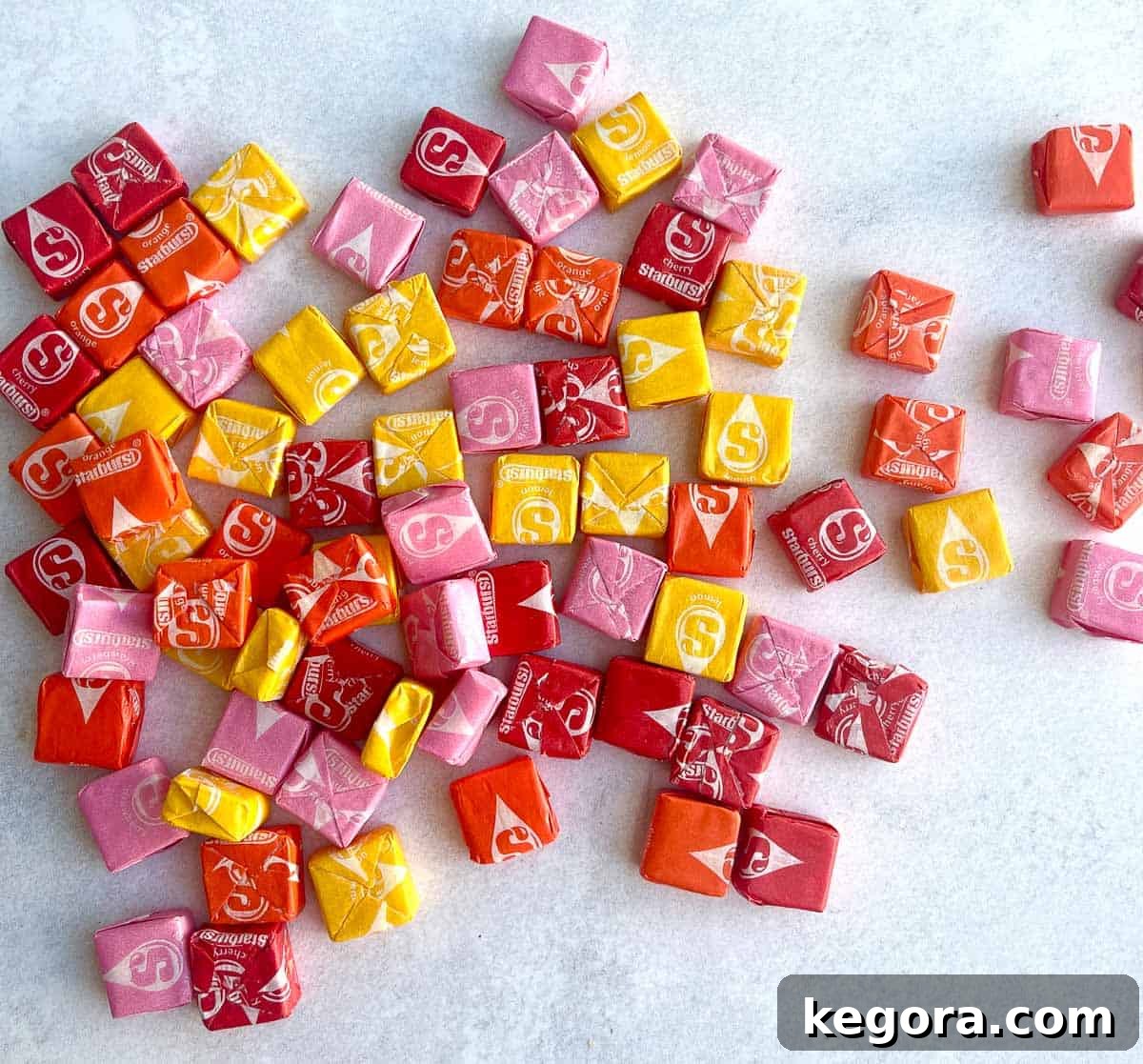
If you’re located in the United States, almost all Starburst products and their various flavors are crafted using gluten-free ingredients. This means you can confidently add these vibrant, chewy candies to your list of safe treats. Whether you crave the original fruit chews, the popular FaveREDs, the convenient Minis, or the seasonal Jelly Beans, you can indulge in their fruity goodness without worrying about gluten.
However, the global landscape of food production necessitates a word of caution. If you are purchasing Starbursts in countries outside the U.S., particularly in regions like Australia or New Zealand, it is absolutely essential to scrutinize the ingredient label. International formulations can differ, and some may contain wheat starch or other wheat-derived components, rendering them unsafe for individuals with Celiac disease or gluten sensitivity. Your best defense is always a thorough read of the package details.
With this knowledge, you can continue to enjoy Starbursts as a delightful, gluten-free option in your diet, making every chew a burst of safe, fruity flavor.
For more insights and answers on other gluten-free products, explore these helpful articles:
- Are M&Ms Gluten-Free?
- Is Brown Rice Gluten-Free?
- Is Jello Gluten-Free?
- Is Oat Milk Gluten-Free?
- Are Doritos Gluten-Free?
- Are Sour Patch Kids Gluten-Free?
- Are French Fries Gluten-Free?
- Is Buckwheat Gluten-Free?
- Are Marshmallows Gluten-Free?
- Are Milky Ways Gluten-Free?
- The Ultimate Gluten-Free Candy List