
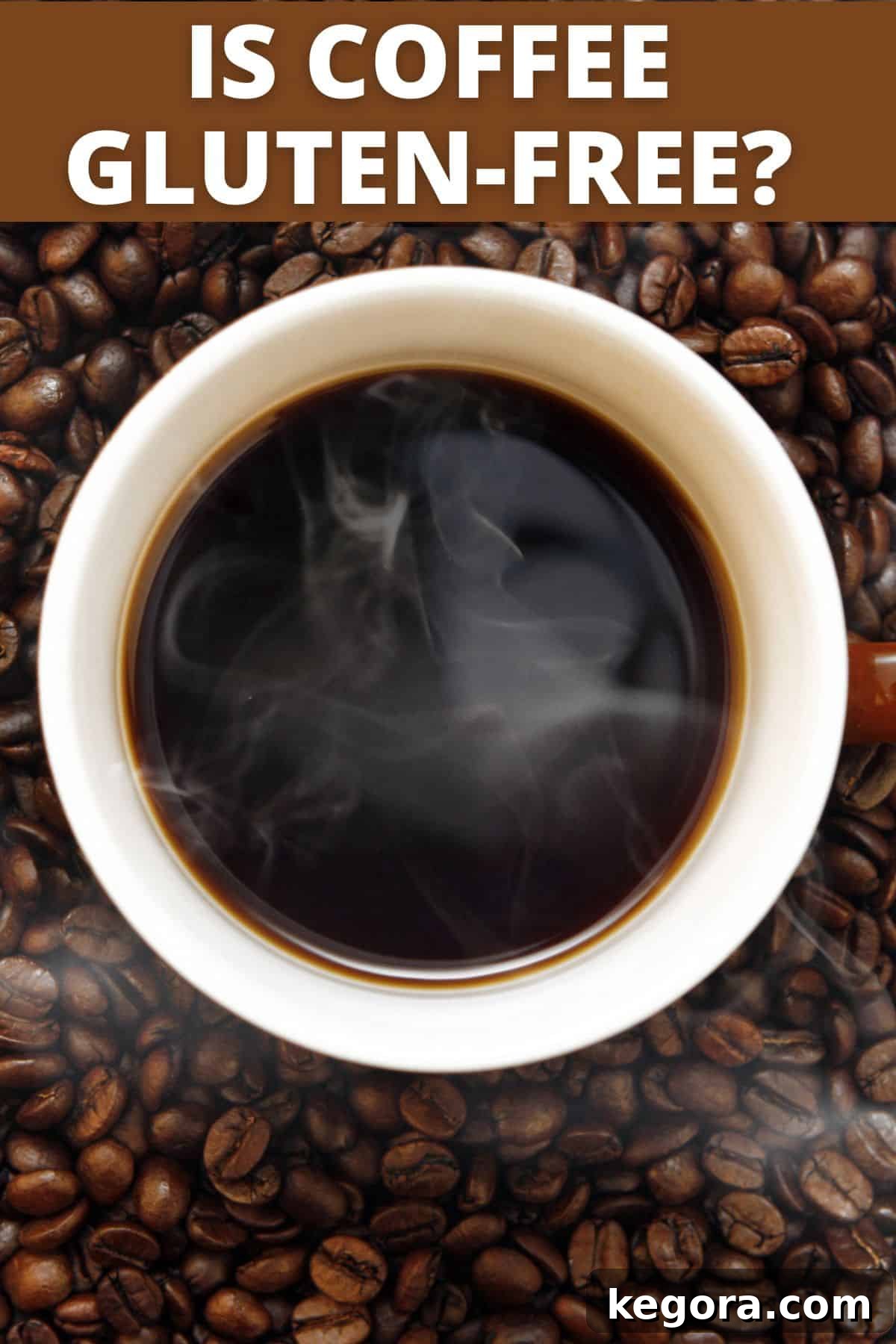
Are you navigating the complexities of a gluten-free lifestyle and wondering if your beloved morning ritual, coffee, fits in? You’re not alone! We’ve meticulously researched this common question to provide you with a comprehensive guide. Read on to discover how coffee can be a delightful and safe part of your gluten-free diet.
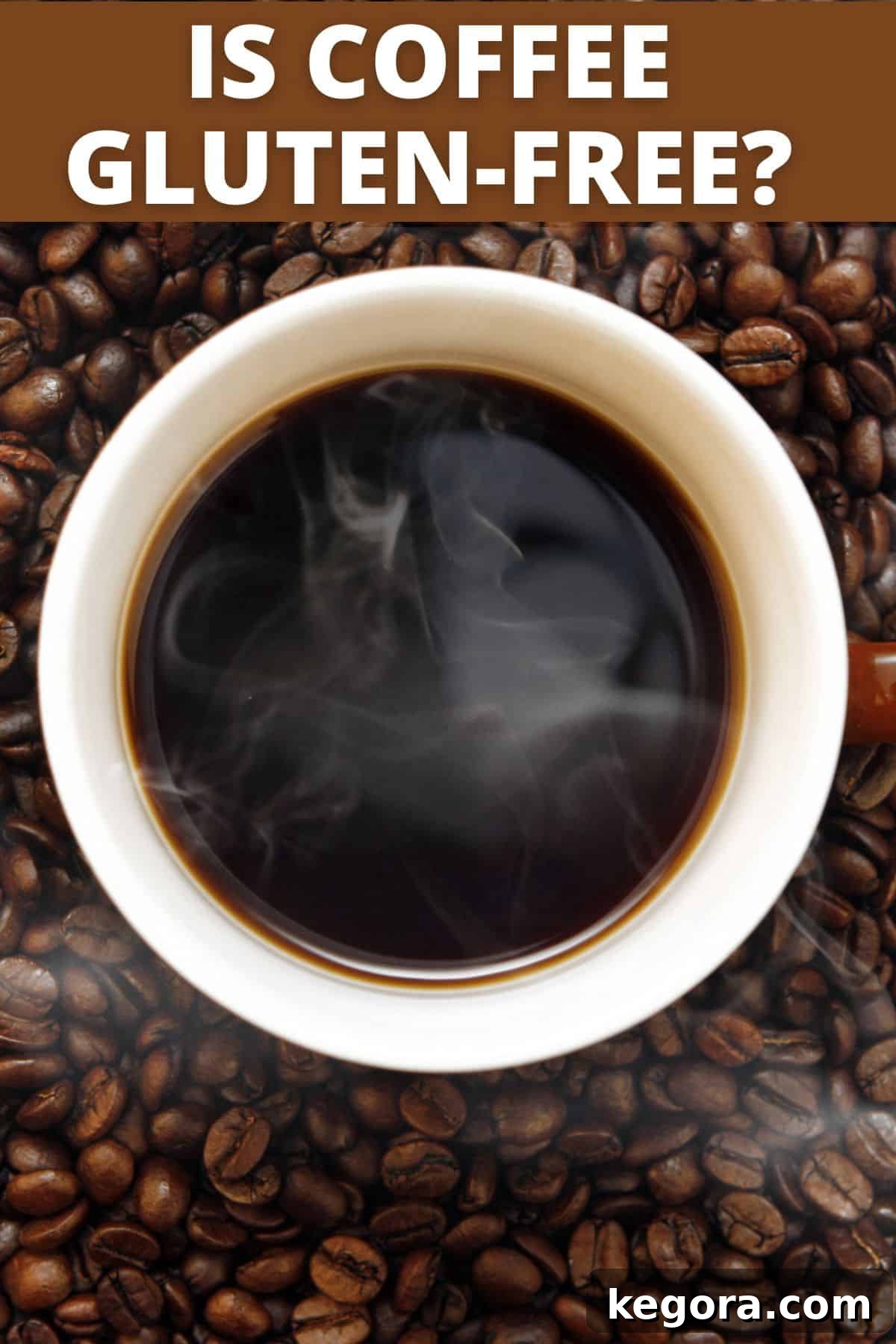
Coffee, a cherished beverage across the globe, serves as the ultimate morning pick-me-up for millions. Crafted from the carefully roasted seeds of the coffea plant, often mistakenly called “beans,” this invigorating drink is a naturally rich source of energizing caffeine. For those managing celiac disease, gluten intolerance, or a non-celiac gluten sensitivity, understanding the gluten status of everyday foods and drinks is paramount. This guide aims to demystify whether your daily cup of joe is truly gluten-free, empowering you to enjoy your coffee with confidence.
The Quick Answer: Is Coffee Gluten-Free?
SHORT ANSWER: Yes! Pure coffee beans are inherently free of gluten. Therefore, plain, black coffee is a naturally gluten-free beverage. While most popular sweeteners and creamers are also gluten-free, it’s always wise to double-check product labels for absolute certainty.
At its core, pure coffee is a remarkably simple concoction: roasted, ground coffee seeds steeped in hot water. Essentially, the recipe consists of just two fundamental ingredients: unadulterated coffee beans and water. From this basic foundation, coffee enthusiasts, professional baristas, and home brewers alike often embellish their steamy creations with various additions. These can include milk, cream, an array of sugars, flavored syrups, and other unique essences to elevate the beverage’s taste and texture. The simplicity of its origin means that pure coffee poses no gluten risk.
But what exactly are these “coffee beans” we speak of? Far from being true beans, they are actually the seeds found at the heart of “coffee cherries,” the vibrant fruit that blossoms on coffea plants. Typically, each coffee cherry harbors two semi-circular seeds that, due to their appearance, have earned the common misnomer “beans.” These seeds start as a pale green hue when young and immature, gradually transforming into a deep, rich brown color as they undergo the aging and roasting processes that unlock their distinctive aroma and flavor. This natural, plant-based origin is key to understanding their gluten-free status.
For dedicated coffee lovers who conscientiously adhere to a gluten-free meal plan, the question of whether coffee consumption aligns with their dietary needs is a perfectly valid and important concern. Living gluten-free requires constant vigilance, and understanding the nuances of even seemingly simple foods and beverages is crucial for maintaining health and well-being.
Throughout this article, we will delve into the gluten-free offerings from some of the most recognized and popular coffee brands across the country. We’ll also provide an in-depth discussion on common coffee mix-ins, scrutinizing which ones are unequivocally safe to consume on a gluten-free diet and which might pose potential risks. Our goal is to equip you with the knowledge needed to make informed choices, ensuring every sip of your coffee experience is both enjoyable and safe.
Before we dive deeper, you might also find these articles helpful: explore the Starbucks gluten-free menu for more detailed information on your favorite coffee shop choices, and discover a collection of my favorite gluten-free breakfast ideas to pair with your safe coffee.
Comprehensive Answer: Is Coffee Truly Gluten-Free?
Yes, to reiterate, both freshly brewed coffee, whether from whole beans or ground coffee, and instant coffee varieties are unequivocally naturally gluten-free. This includes all forms of coffee, from espresso to cold brew. Furthermore, decaffeinated coffee also maintains its gluten-free status, as the decaffeination process does not introduce gluten. The inherent nature of the coffee bean ensures its purity from gluten-containing grains.
The primary concern for individuals on a strict gluten-free diet arises not from the coffee itself, but from potential cross-contamination or the addition of gluten-containing ingredients. Gluten contamination in coffee can occur in a few scenarios: if a creamer, flavoring additive, or syrup contains gluten as a thickener or carrier ingredient; or, more subtly, if the coffee beans or ground coffee are processed, packaged, or stored in a facility that also handles gluten-containing products, leading to trace amounts of gluten being transferred. Therefore, while the coffee bean is innocent, the journey from plant to cup can sometimes introduce risks. Always be diligent about checking labels and inquiring about preparation methods when outside the home.
For those dedicated to a gluten-free lifestyle, expanding your knowledge beyond coffee can be incredibly beneficial. Check out our detailed articles on gluten-free graham crackers, gluten-free hot chocolate, gluten-free popcorn, gluten-free Chick-Fil-A options, and gluten-free Wendy’s meals. You might also be interested in understanding if bourbon is gluten-free, to cover all your beverage bases.
Navigating Gluten-Free Options: Is Coffee Creamer Gluten-Free?
The world of coffee creamers offers an astonishing array of flavors, from rich chocolate hazelnut to decadent caramel, with innovative varieties consistently introduced each year. For those managing gluten-free diets, there’s excellent news: the vast majority of commercially available coffee creamers are indeed gluten-free! This means you can typically enhance your coffee without worry, though a quick label check is always a prudent step.
While many coffee creamers incorporate dairy ingredients, their formulations rarely, if ever, include wheat or other gluten-containing components. The primary ingredients in most creamers focus on fats, sugars, and stabilizers, which are generally gluten-free. For instance, consider the ingredients found in a classic like Original Coffee Mate, which serves as an excellent example of a widely available gluten-free creamer:
- Water
- Corn syrup solids
- Vegetable oil (often coconut or palm kernel oil)
- Micellar casein (a milk protein, not a gluten source)
- Mono- and diglycerides (emulsifiers, typically plant-based and gluten-free)
- Dipotassium phosphate (a stabilizer)
- Natural flavor (usually derived from non-gluten sources, but always a point to watch for strict diets)
- Carrageenan (a thickener derived from seaweed, naturally gluten-free)
Many other popular coffee creamer brands consistently offer gluten-free products, making them safe choices for individuals with celiac disease, gluten intolerance, or non-celiac gluten sensitivity. These widely recognized brands often carry gluten-free certifications or have ingredient lists that clearly avoid gluten sources:
- International Delight
- Coffee Mate (many varieties)
- Nutpods (dairy-free and often certified GF)
- Silk (plant-based creamers, many GF)
- Califia Farms (plant-based creamers, many GF)
- Natural Bliss by Coffee Mate (often uses simpler ingredients)
- Starbucks (packaged creamers)
- Chobani (dairy and non-dairy options)
It’s important to differentiate between products explicitly marked “Gluten-Free” and those that are gluten-free by ingredients. Brands with the “Gluten-Free” certification adhere to strict FDA requirements, ensuring their products contain less than 20 parts per million (ppm) of gluten. Other brands, while not carrying this specific certification, list ingredients that do not contain gluten, and gluten is not declared as an allergen in their nutrition facts. For most, this indicates a safe option, but for those with extreme sensitivities, certified products offer the highest level of assurance. Always be sure to check the allergen statement.
To further support your gluten-free beverage choices, you might find these articles on gluten-free alcohol and gluten-free beer particularly useful.
Starbucks & Gluten-Free: What You Need to Know
Is there a more iconic pairing than a warm Starbucks coffee with a breakfast sandwich? While the majority of Starbucks’ food items, particularly their baked goods and sandwiches, are not suitable for a gluten-free diet, the good news is that many of their coffee beverages are perfectly safe. Any of their plain, unadulterated coffees—such as a simple brewed coffee, Americano, or espresso—are always a reliable and safe choice. However, caution must be exercised with certain specialty beverages, as they can contain ingredients that do include gluten. Understanding these distinctions is key to a worry-free Starbucks experience.
For those adhering to a gluten-free diet, it is crucial to know which Starbucks beverages to avoid due to gluten-containing components. While plain coffee is always safe, many blended and flavored drinks incorporate ingredients like cookie crumbles, malt extract, or certain toppings that are derived from wheat or barley. Here’s a list of popular Starbucks drinks that should be avoided if you are gluten-free:
- **Double Chocolaty Chip Crème Frappuccino:** Contains Frappuccino chips that typically include wheat flour.
- **Mocha Cookie Crumble Frappuccino:** The cookie topping is made with wheat flour.
- **Chocolate Cookie Crumble Crème Frappuccino:** Similar to the Mocha Cookie Crumble, its cookie topping contains wheat flour.
- **Toasted White Chocolate Crème Frappuccino:** This seasonal favorite has ingredients that contain malt extract, often derived from barley.
- **Java Chip Frappuccino:** Like the Double Chocolaty Chip, the Frappuccino chips used here contain wheat flour.
- **Toasted White Chocolate Mocha (Hot, Iced, and Frappuccino versions):** The festive holiday sugar sparkles often contain oat flour (unless certified GF, oats are a cross-contamination risk) and malt extract, a gluten source.
- **Chocolate Cream Cold Brew:** This beverage contains natural malt flavor, which typically comes from barley and is not gluten-free.
It is imperative to note Starbucks’ official disclaimer, issued in 2018 and still relevant: “We cannot guarantee that any of our beverages are free from allergens (including milk, eggs, soy, nuts, peanuts, gluten and others) as we use shared equipment to store, prepare and serve them.” This statement highlights the inherent risk of cross-contamination in a busy environment where gluten-containing ingredients are prevalent. To minimize risk, always inform your barista that you require a gluten-free drink and use your best judgment, informed by the ingredient list above, when placing your order. Requesting a clean blender or separate utensils can sometimes help, but total elimination of risk is difficult in such settings.
If you’re feeling a bit peckish at Starbucks, gluten-free food options are considerably more limited than the beverage selection. Beyond the tempting array of baked goods, which are almost universally off-limits, there are a few safer choices. Fruit salads, various brands of pre-packaged KIND bars (always check specific bar labels as some contain oats not certified GF), and Hippeas chickpea chips are often available and generally free from gluten, offering a quick snack without the concern of digestive distress.
Dunkin’ Donuts Coffee: A Gluten-Free Overview
Dunkin’ Donuts, a popular destination for both coffee and pastries, offers a wide range of hot and iced coffee beverages. Fortunately, the core coffee drinks themselves, made from pure coffee beans, do not contain any gluten ingredients. Moreover, the vast majority of their standard syrups and milks used to flavor these drinks are also considered gluten-free. This makes many Dunkin’ coffee options viable for those on a gluten-free diet. However, similar to Starbucks, it is crucial to acknowledge the ever-present possibility of cross-contamination in an environment like Dunkin’ Donuts, which extensively handles wheat flour for its famous donuts and other baked goods.
Dunkin’ provides several types of creamers and milk alternatives for their coffee drinks. Oat milk has become a popular substitute for traditional dairy milk, but it warrants a specific caution for gluten-free individuals. Because oats are frequently processed on shared equipment with gluten-containing grains (like wheat, barley, and rye), conventional oat milk may not be entirely gluten-free due to cross-contamination. Therefore, it is strongly recommended to avoid oat milk unless it is explicitly certified gluten-free. Safer alternatives include dairy milk, or if you are dairy-free, options like almond milk or coconut milk are generally safer choices, provided they are plain and unsweetened.
For a comprehensive breakdown of ingredients and nutritional information, you can click here to access Dunkin’ Donuts’ full menu allergy and ingredient guide. It’s important to heed Dunkin’s official caution to guests: “Please be advised that our products may contain or may have been further processed on shared equipment that may have come in contact with allergens including eggs, fish, milk, peanuts, sesame, soy, tree nuts, wheat, and shellfish.” This explicit warning underscores that despite ingredient lists, there is no absolute guarantee that your drink will be entirely free of trace gluten. Dunkin’ encourages guests to communicate any food allergies to their server, allowing staff to exercise extra caution during preparation, though complete elimination of cross-contamination cannot be guaranteed in such a fast-paced, shared kitchen environment.
Despite the caveats regarding cross-contamination, many of Dunkin’s core coffee drinks remain excellent choices for a gluten-free diet. Here are the gluten-free coffee drinks generally available at Dunkin’, assuming no problematic additions:
- Coffee (Hot and Iced)
- Iced Coffee
- Cold Brew
- Americano (Hot and Iced)
- Iced Americano
- Latte (Hot and Iced)
- Iced Latte
- Signature Latte (Hot and Iced, ensure flavors are GF)
- Iced Signature Latte
- Macchiato (Hot and Iced)
- Iced Macchiato
- Cappuccino (Hot and Iced)
- Iced Cappuccino
- Espresso
- Frozen Coffee (plain, without added toppings or flavored blends containing gluten)
These drinks offer a variety of options for creamers and flavorings, most of which are typically gluten-free. However, as reiterated, the potential for cross-contamination remains a factor with any beverage prepared in a facility that extensively handles wheat flour.
Naturally, extreme caution should be exercised when considering any food products at Dunkin’, such as donuts, muffins, or bagels, as the vast majority unequivocally contain wheat flour and are unsuitable for a gluten-free diet. Stick to the beverages and verify ingredient safety for any add-ins.
Understanding Folgers Coffee and Gluten
While the inherent nature of coffee beans makes coffee a naturally gluten-free product, the story can become more nuanced with large-scale commercial brands like Folgers. It’s important for consumers on a gluten-free diet to be aware that Folgers coffee is generally not certified gluten-free, and their official website includes a cautionary statement regarding potential trace amounts of gluten. This distinction between “naturally gluten-free” and “certified gluten-free” is critical when managing a strict dietary regimen.
Folgers explicitly states in their frequently asked questions, “Due to the use of common equipment within the agricultural community to harvest, store, and transport crops, our roast and ground products may contain trace amounts of grain-based ingredients.” This statement highlights a common issue in the food industry where even naturally gluten-free crops can pick up minuscule amounts of gluten-containing grains (like wheat, barley, or rye) during farming, harvesting, transportation, or processing in shared facilities. For individuals with celiac disease or severe gluten sensitivities, these trace amounts, even below the FDA’s 20 ppm threshold, can sometimes trigger adverse reactions.
Furthermore, certain flavored coffee products offered by Folgers, or any brand for that matter, may introduce additional ingredients that could carry gluten. Flavorings, spices, or other additives used to create unique coffee blends sometimes contain gluten as a thickener, anti-caking agent, or part of a “natural flavor” blend. It is always essential to meticulously review the ingredient list of any flavored coffee product, regardless of the brand.
In summary, while Folgers does not list gluten grains as direct ingredients in their core coffee products, they cannot guarantee the complete absence of trace gluten due to agricultural and processing practices. If you have celiac disease or are committed to a stringent gluten-free diet, the safest course of action is to opt for coffee brands that are explicitly certified gluten-free. This certification provides an assurance that the product has been tested and meets stringent standards for gluten absence, offering peace of mind that a brand like Folgers, with its general disclaimer, cannot provide.
Frequently Asked Questions About Coffee & Gluten
Regular, unflavored coffee and plain milk are both naturally gluten-free. The main consideration is ensuring they haven’t been subjected to cross-contamination during packaging or preparation in facilities that also handle gluten-containing products. Always check the allergen statements on product labels for transparency regarding shared equipment.
Coffee, derived from the seeds of the “coffee cherry” fruit, is naturally gluten-free. Therefore, all pure, unflavored coffee is gluten-free. The only instances where coffee might not be gluten-free are if gluten-containing flavorings, syrups, or toppings have been added to it, or if it has been processed or packaged in a facility where cross-contamination with gluten products could occur. Always consult ingredient labels and inquire about preparation methods for flavored varieties.
Yes, most Coffee Mate creamers are gluten-free. Nestle, the manufacturer of Coffee Mate, explicitly states for their Original Coffee Mate Creamer: “This non-dairy coffee creamer is lactose-free, cholesterol-free, and gluten-free.” While individual product formulations can vary, the majority of Coffee Mate flavors do not contain gluten-based ingredients.
Absolutely, pure coffee is generally safe for individuals with celiac disease or anyone who needs to avoid gluten. Coffee itself is naturally gluten-free. The key factors to watch for are any added flavorings that might contain gluten, or potential cross-contamination if the coffee is prepared in a facility that also processes gluten-containing foods. Opt for plain coffee and carefully vet any additions.
Many common alcoholic beverages contain gluten, primarily due to their ingredients. Beer, lager, stout, and ale almost invariably contain gluten because they are brewed with wheat, rye, or barley. Beyond alcohol, some pre-made mixed drinks, flavored malt beverages (wine coolers), certain drink mixes, and even some pre-packaged chocolate milk products may also incorporate gluten-containing thickeners, flavorings, or malt extracts. Always check labels, especially for flavored or processed drinks.
The Bottom Line: Enjoying Coffee on a Gluten-Free Diet
To conclude, the excellent news for all coffee aficionados on a gluten-free journey is that pure coffee, in its fundamental form, is indeed gluten-free! This means you can continue to savor the rich flavors and invigorating effects of your favorite brew without compromising your dietary needs. The true challenges typically arise from potential cross-contamination in shared facilities or from gluten-containing additives that can be introduced during processing or preparation.
For the utmost safety and peace of mind, especially for those with severe sensitivities or celiac disease, the absolute safest approach is to select only certified gluten-free coffee beans, creamers, and flavorings when preparing your morning cup of joe at home. This ensures full control over every ingredient and minimizes any risk. That being said, ordering plain coffee in a restaurant or your local coffee shop generally carries a minimal risk of cross-contamination for simple, unflavored drinks. The key is to communicate your specific dietary needs clearly when ordering, and to order wisely. Sticking to black coffee, or coffee with known gluten-free additions, should confidently meet your gluten-free dietary requirements and leave you feeling energized and satisfied for the day ahead. Enjoy your coffee, guilt-free!