
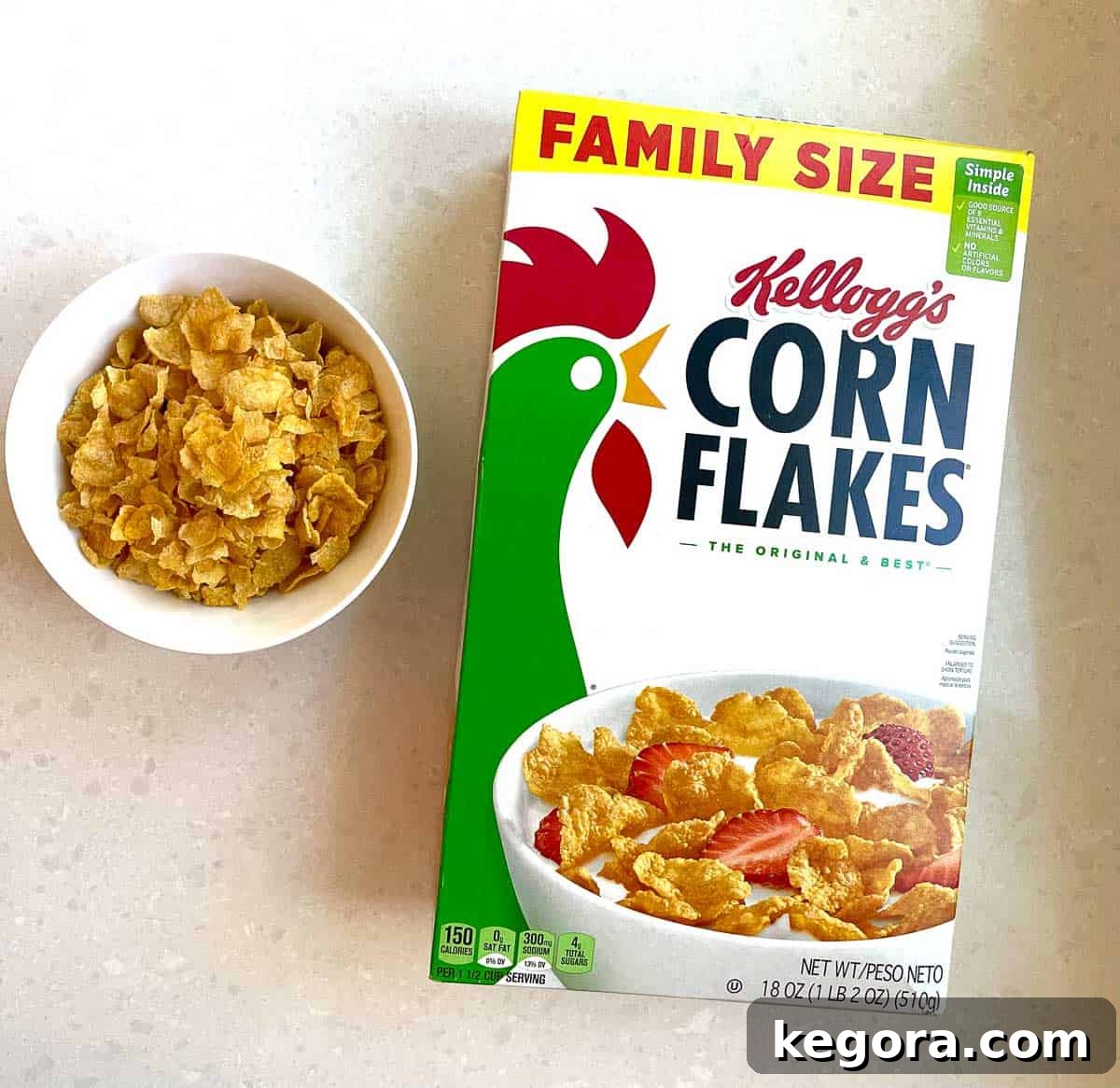
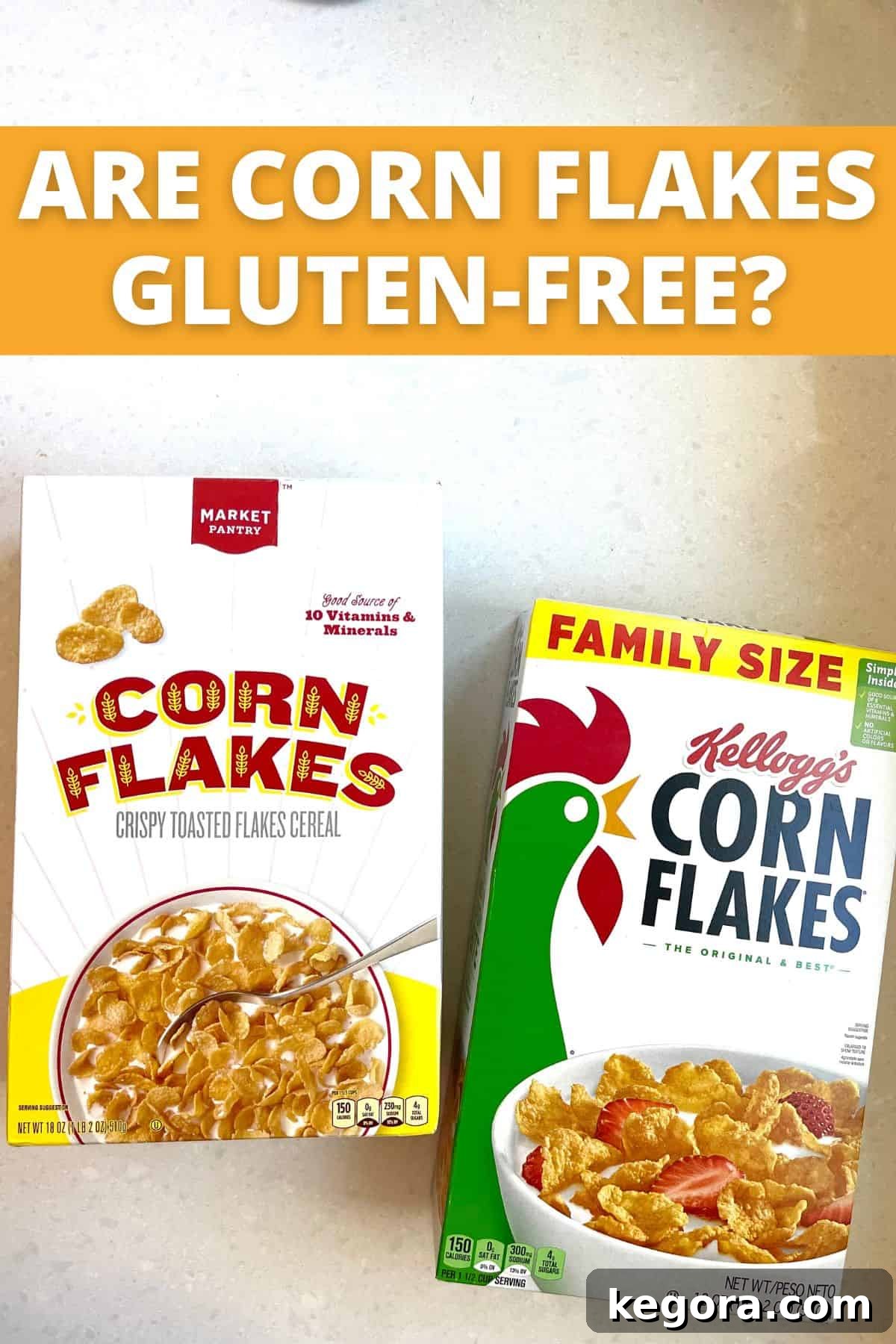
If you’re navigating the complexities of a gluten-free diet, a common question likely arises: “Are corn flakes gluten-free?” This comprehensive guide will delve into the ingredients, certifications, and potential cross-contamination risks to help you make informed choices about this popular breakfast staple. Whether you’re managing celiac disease, a gluten sensitivity, or simply opting for a gluten-free lifestyle, understanding what’s in your bowl is paramount.
Corn flakes have been an enduring presence on breakfast tables across America for decades. Their satisfying crunch and simple flavor make them a go-to choice for a quick start to the day. Beyond the breakfast bowl, these versatile flakes find their way into countless recipes, acting as a crispy breading for chicken or pork, adding texture to muffins, or even forming the base for homemade fried ice cream. With such widespread use, it’s natural to wonder about their gluten content, especially for those adhering to a gluten-free regimen.
The quick answer is nuanced: Most conventional corn flake brands are unfortunately NOT gluten-free due to the inclusion of malt barley or similar malt-derived ingredients. However, the good news is that dedicated gluten-free options do exist for those who love this classic cereal.
For more insights into gluten-free products and dining, explore our other articles such as gluten-free cereal, gluten-free cornbread, is popcorn gluten-free, is cornbread gluten-free, are oats gluten-free, and gluten-free graham crackers. You might also find these posts helpful: is coffee gluten-free, are doritos gluten-free, are marshmallows gluten-free, is raisin bran gluten-free, and are grits gluten-free. For gluten-free dining experiences, check out our guides for Chick-Fil-A gluten-free options and Wendy’s gluten-free options.
Understanding Gluten and Gluten-Free Diets
Before diving specifically into corn flakes, it’s essential to understand what gluten is and why a gluten-free diet is necessary for many. Gluten is a family of proteins found in grains like wheat, barley, and rye. For individuals with celiac disease, consuming gluten triggers an autoimmune response that damages the small intestine, leading to nutrient malabsorption and various health issues. Non-celiac gluten sensitivity, while not an autoimmune condition, can also cause uncomfortable symptoms like digestive upset, fatigue, and headaches upon gluten ingestion.
Strict adherence to a gluten-free diet is the only effective treatment for celiac disease and often provides significant relief for those with gluten sensitivity. This means carefully avoiding all sources of wheat, barley, and rye, even in trace amounts. This vigilance extends to seemingly innocent products like cereals, where hidden gluten can often lurk.
Are Corn Flakes Gluten-Free? The Malt Barley Factor
At first glance, corn flakes might seem like an inherently gluten-free food, given that their primary ingredient is milled corn, which is naturally gluten-free. However, the processing and flavoring are where the gluten challenge arises. Most traditional corn flake brands incorporate gluten-containing ingredients, predominantly malt barley or malt flavoring.
Malt is typically made from barley, a grain that contains gluten. The malting process involves steeping grains in water, allowing them to sprout, and then drying them. This process creates enzymes and sugars that contribute to flavor and texture. When malt extract, malt flavoring, or malted barley syrup is added to corn flakes, it introduces gluten into the product, rendering it unsuitable for those on a gluten-free diet. Even small amounts can trigger adverse reactions in sensitive individuals.
Therefore, when checking corn flake labels, the presence of any form of “malt” (e.g., malt flavoring, malt extract, malt syrup) is a clear indicator that the product contains gluten and should be avoided.
Certified Gluten-Free Corn Flakes: Your Safe Options
Fortunately, for those who crave the classic crunch of corn flakes without the gluten, there are specific brands that have risen to the occasion. These manufacturers understand the importance of strict gluten-free protocols and have gone the extra mile to produce certified safe options.
Nature’s Path Organic Fruit Juice Corn Flakes and Nestle Gluten-Free Corn Flakes are two excellent examples of certified gluten-free corn flakes. What makes them different? These brands typically use alternative sweeteners, such as fruit juice concentrates or cane sugar, instead of malt barley. More importantly, they undergo rigorous testing to ensure their products contain less than 20 parts per million (ppm) of gluten, which is the universally accepted standard for “gluten-free” labeling set by regulatory bodies like the FDA.
Always look for a clear “gluten-free” label or certification seal on the packaging to confirm the product’s safety. This certification signifies that the product has been tested and verified to meet strict gluten-free standards, minimizing the risk of contamination.
Which Corn Flakes Are Not Gluten-Free (and Why)
Understanding which brands to avoid is just as crucial as knowing which ones are safe. The vast majority of mainstream corn flake brands contain gluten due to malt-derived ingredients. Even those that appear to have naturally gluten-free ingredients might pose a risk of cross-contamination.
Corn Flakes that Definitely Contain Gluten
The following corn flake cereals are NOT gluten-free because they explicitly list malt barley or malt flavoring in their ingredients:
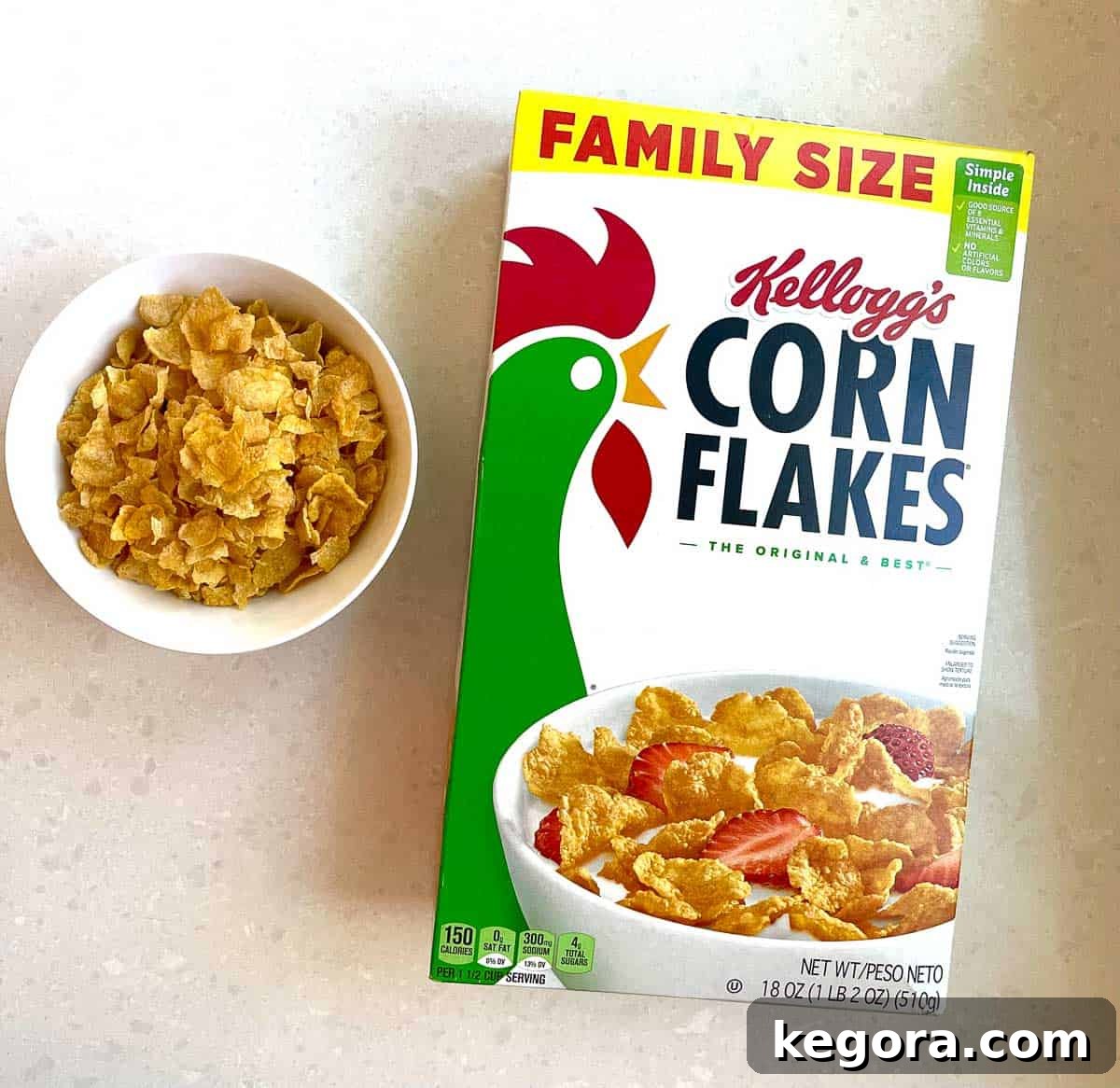
- Kellogg’s Corn Flakes: As one of the most iconic brands, Kellogg’s Corn Flakes unfortunately contain malt flavor, which is derived from barley and therefore contains gluten. This ingredient is fundamental to their characteristic taste profile but makes them unsafe for a gluten-free diet.
- Great Value Corn Flakes: Walmart’s store brand, Great Value Corn Flakes, is another common culprit. Their ingredient list typically includes malt extract, a gluten-containing component, rendering them unsuitable for those avoiding gluten.
- Happy Belly Corn Flakes: Amazon’s Happy Belly brand of corn flakes also falls into the “not gluten-free” category. These cereals are made with malted barley syrup, confirming the presence of gluten.
Corn Flakes with a Risk of Cross-Contamination
Beyond brands that intentionally add gluten, there’s another category of corn flakes that, while potentially free of gluten-containing ingredients, may not be safe due to manufacturing practices. These products often don’t carry a “gluten-free” label, indicating a risk of cross-contamination during production. For individuals with celiac disease or severe gluten sensitivity, this risk is a serious concern.
- Good & Gather Organic Frosty Flakes (Target Brand): While the ingredient label might list only organic corn, organic cane sugar, and sea salt, the absence of a gluten-free certification means the product is not tested for gluten and could be processed on shared equipment with gluten-containing items.
- Barbara’s Organic Corn Flakes: This brand uses organic milled corn, organic cane sugar, and sea salt. However, their nutrition label often includes a warning stating that the cereal is manufactured in a facility that also processes wheat. This explicit warning makes it unsuitable for those with celiac disease or severe gluten allergies.
- 365 Organic Corn Flakes (Whole Foods Brand): Similar to the above, this cereal, made from organic milled corn, organic cane sugar, and sea salt, does not carry a gluten-free claim. The lack of such a claim strongly suggests a potential risk of cross-contamination during manufacturing, making it a questionable choice for a strict gluten-free diet.
For individuals managing celiac disease or severe gluten intolerance, always prioritize products that are explicitly labeled “certified gluten-free” to ensure safety from both direct gluten ingredients and cross-contamination.
Exploring Other Gluten-Free Breakfast Cereal Options
If certified gluten-free corn flakes are hard to find, or if you simply want more variety, there’s a wide world of delicious and safe breakfast cereals available. Many popular cereals are naturally gluten-free or are specifically manufactured to be gluten-free:
- Rice Chex: Made from rice, Rice Chex is a naturally gluten-free choice and a long-time favorite.
- Corn Chex: Similar to Rice Chex, Corn Chex is another safe bet, made primarily from corn.
- Cheerios (select varieties): General Mills has made significant efforts to produce certified gluten-free Cheerios varieties (Original, Honey Nut, Multi-Grain, Frosted, Apple Cinnamon). Look for the “gluten-free” label, as not all Cheerios are certified.
- Lucky Charms: Good news for those with a sweet tooth! Lucky Charms are typically made with oats and corn starch, and are certified gluten-free.
- Fruity Pebbles: Another childhood classic, Fruity Pebbles are rice-based and generally considered gluten-free. Always double-check the label for any recent changes.
- Honey Rice Puffins: From Barbara’s Bakery, these puffed rice cereals are often gluten-free and a popular choice.
- Certified Gluten-Free Oatmeal: While oats are naturally gluten-free, they are often cross-contaminated with wheat during growing or processing. Always choose oats that are specifically labeled “certified gluten-free.”
- Grits: If made purely from corn and without additives, grits are typically gluten-free. However, check labels for cross-contamination warnings or gluten-containing flavorings if eating instant or flavored varieties.
Beyond cereals, a wealth of other delicious gluten-free breakfast options exists. Consider:
- Eggs: Scrambled, fried, poached, or in an omelet, eggs are a naturally gluten-free and protein-rich breakfast.
- Smoothies: Blend fruits, vegetables, gluten-free protein powder, and dairy or plant-based milk for a quick and nutritious meal.
- Gluten-Free Waffles or Pancakes: Many brands offer gluten-free mixes, or you can make them from scratch using gluten-free flours like almond, coconut, or oat flour.
- Breakfast Tacos or Burritos: Use corn tortillas as a gluten-free base for your favorite breakfast fillings.
- Yogurt with Fruit and Gluten-Free Granola: A simple, satisfying, and customizable option.
FAQs
Yes, Kellogg’s Corn Flakes do contain gluten. Despite being primarily made from milled corn, which is naturally gluten-free, the cereal includes malt flavoring derived from barley. Barley is a gluten-containing grain, making Kellogg’s Corn Flakes unsuitable for individuals with celiac disease or gluten sensitivity. Always consult the ingredient list to verify the presence of malt or other gluten sources.
Many breakfast cereals are either naturally gluten-free or specially manufactured and certified gluten-free. Popular options include Rice Chex and Corn Chex, which are made from naturally gluten-free grains. Several varieties of Cheerios (such as Original, Honey Nut, and Multi-Grain) are certified gluten-free by General Mills. Other sweet options like Lucky Charms and Fruity Pebbles are also typically gluten-free. When choosing oatmeal, always opt for varieties explicitly labeled “certified gluten-free” to avoid cross-contamination with wheat during processing. Always check the packaging for a clear “gluten-free” label.
A gluten-free diet offers a wide array of delicious and healthy breakfast options. Beyond certified gluten-free cereals like Rice Chex or Nature’s Path Corn Flakes, you can enjoy savory dishes like scrambled eggs, omelets, or breakfast tacos made with corn tortillas. For a warm option, choose certified gluten-free oats topped with fruit and nuts. Smoothies packed with fruits, vegetables, and gluten-free protein powder are quick and nutritious. Other ideas include yogurt parfaits with gluten-free granola, gluten-free pancakes or waffles, and various fresh fruits. The key is to focus on naturally gluten-free whole foods and carefully check labels for processed items.
The Bottom Line
Navigating the world of gluten-free foods requires careful attention to detail, especially when it comes to seemingly simple products like corn flakes. While the main ingredient, corn, is naturally gluten-free, the addition of malt barley or the risk of cross-contamination in manufacturing processes means that most conventional corn flake brands are not safe for a gluten-free diet. This includes popular choices like Kellogg’s Corn Flakes and many generic store brands.
However, you don’t have to give up on this beloved breakfast cereal entirely. Brands like Nature’s Path Organic Fruit Juice Corn Flakes and Nestle Gluten-Free Corn Flakes offer certified gluten-free options that are safe and delicious. These can often be found online or in specialty grocery stores.
Remember, the golden rule of gluten-free living is to always read labels thoroughly and look for explicit “certified gluten-free” markings. If a product doesn’t have this certification, or if you see “malt” in any form on the ingredient list, it’s best to err on the side of caution and choose an alternative. Thankfully, the market for gluten-free foods is continually expanding, offering a fantastic variety of safe and tasty options, from Rice Chex and Corn Chex to various certified gluten-free oatmeals and other breakfast choices.
Empower yourself with knowledge, and enjoy your gluten-free journey!