
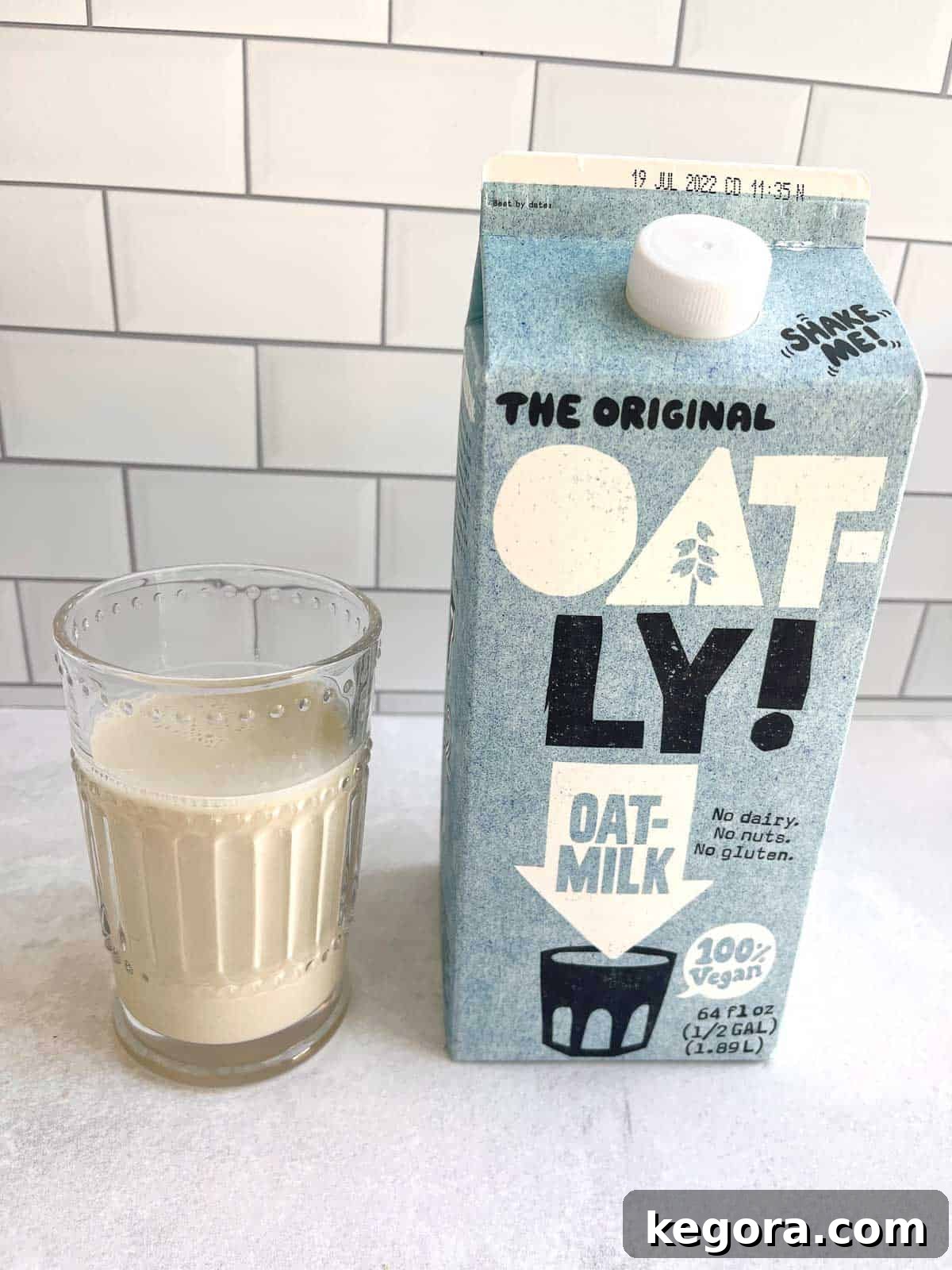
In recent years, oat milk has surged in popularity, transforming from a niche dairy alternative into a mainstream staple for coffee shops, home kitchens, and baking enthusiasts alike. Its creamy texture and naturally sweet flavor make it a fantastic substitute for traditional cow’s milk, especially for those seeking dairy-free options or managing lactose intolerance. However, for individuals navigating a gluten-free diet due to Celiac disease, gluten sensitivity, or other health reasons, a critical question often arises: Is oat milk gluten-free?
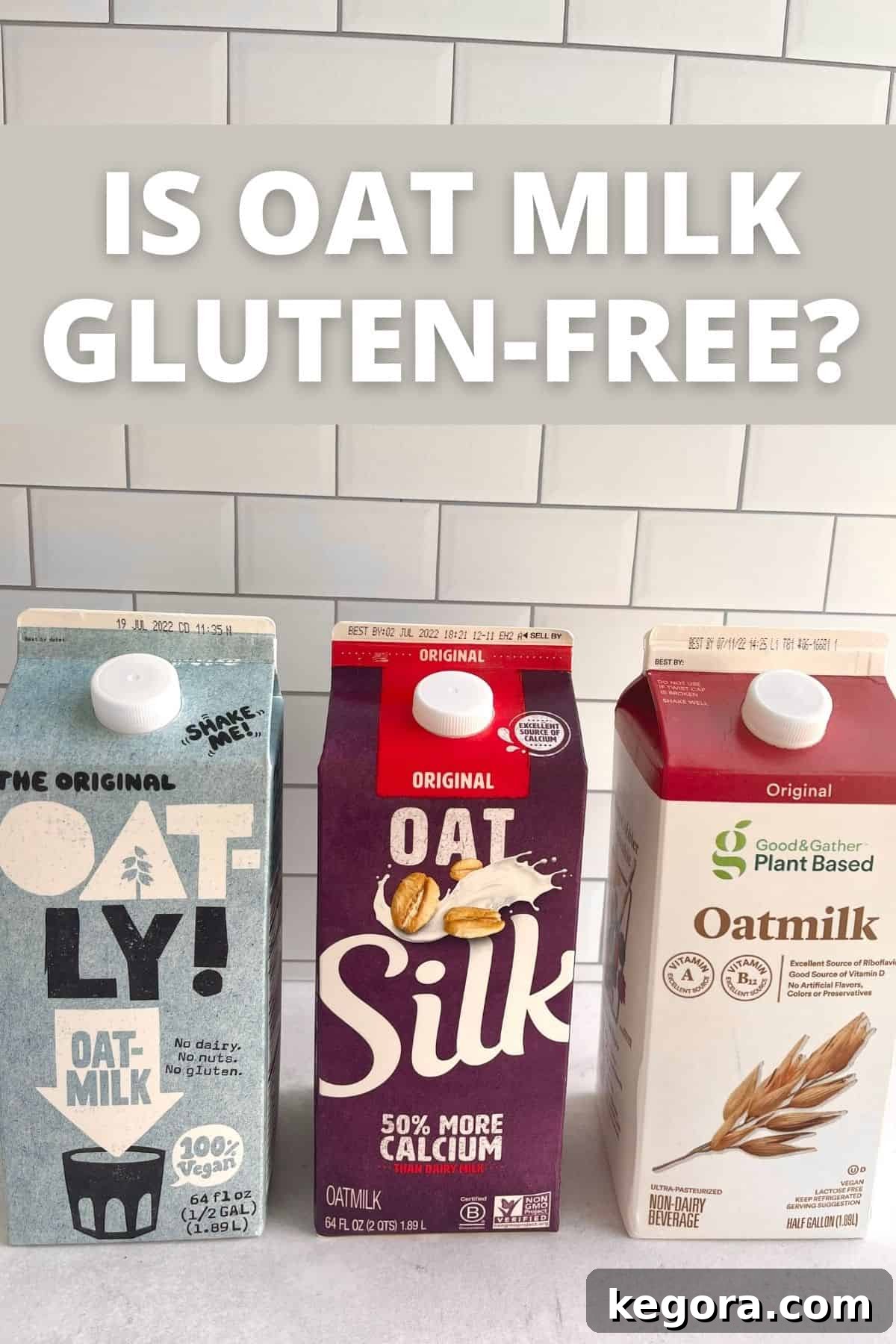
The straightforward answer is a nuanced one: oat milk can be gluten-free, but it’s not always guaranteed. This distinction is incredibly important for anyone who must strictly avoid gluten. Understanding the intricacies of oat processing and labeling is key to confidently incorporating oat milk into your diet without worry. This comprehensive guide will equip you with all the necessary information to make informed choices, ensuring your oat milk is not only delicious but also safe for your gluten-free lifestyle.
Unraveling the Truth: Is Oat Milk Truly Gluten-Free?
As frustrating as it may sound, the answer to whether oat milk is gluten-free isn’t a simple yes or no. The natural state of oats is indeed gluten-free. Gluten is a protein found primarily in wheat, barley, and rye. For individuals with Celiac disease, even trace amounts of gluten can trigger a severe autoimmune response, leading to intestinal damage and a host of debilitating symptoms. Those with non-celiac gluten sensitivity also experience adverse reactions, making strict gluten avoidance crucial for their well-being.
The complexity arises from the journey oats undertake from the field to your cup. While oats themselves do not contain gluten, they are highly susceptible to cross-contamination. This means that during farming, harvesting, transportation, storage, or processing, oats can come into contact with gluten-containing grains like wheat, barley, or rye. This accidental mixing can introduce enough gluten to render the oats — and subsequently the oat milk made from them — unsafe for those on a gluten-free diet.
Therefore, the critical factor in determining if your oat milk is gluten-free lies in the processing. Only oat milk made from “certified gluten-free oats” can confidently be considered safe. These oats are grown, harvested, and processed under strict purity protocols to prevent any contact with gluten, giving consumers peace of mind.
The Oat Paradox: Are Oats Gluten-Free by Nature?
Yes, botanically speaking, pure oats are a naturally gluten-free grain. They don’t contain gliadin, the primary protein in wheat that causes adverse reactions in individuals with Celiac disease. Instead, oats contain a protein called avenin, which most people with Celiac disease can tolerate. However, a small percentage of individuals with Celiac disease may also react to avenin, though this is less common.
The problem isn’t with the oat itself, but with its environment. In many agricultural regions, particularly in North America, oats are often grown in rotation with wheat or barley, or even in adjacent fields. They may be harvested with the same equipment, transported in the same vehicles, or processed in facilities that also handle gluten-containing grains. This shared infrastructure creates a significant risk of cross-contamination, where small fragments of wheat, barley, or rye become mixed with the oats.
For someone with a severe gluten allergy or Celiac disease, even a tiny amount of gluten—as little as 20 parts per million (ppm)—can be enough to cause serious health issues. This is why simply knowing that oats are “technically” gluten-free isn’t enough; certified gluten-free practices are paramount. Fortunately, a growing number of brands are committed to providing purity protocol oats, ensuring their products meet rigorous gluten-free standards.
How to Identify Certified Gluten-Free Oat Milk and Oats
Navigating the grocery aisles for gluten-free products, especially for those with Celiac disease, requires vigilance. When it comes to oat milk, knowing exactly what to look for on the packaging is crucial. While whole grain oats are naturally gluten-free, the assurance of “certified gluten-free” is what truly matters to prevent any risk of cross-contamination.
Here’s how to confidently identify gluten-free oat milk and oat products:
- Look for the “Certified Gluten-Free” Label: This is the most important indicator. A product bearing a “Certified Gluten-Free” label from a recognized third-party organization (such as the Gluten-Free Certification Organization – GFCO, or another similar body) guarantees that the product has been tested and meets strict gluten-free standards, typically less than 10 or 20 parts per million (ppm) of gluten. This certification ensures that the oats used have undergone purity protocol farming and processing.
- Read Ingredient Lists Carefully: While a “gluten-free” claim on the front is a great start, always double-check the ingredient list on the back. Look for phrases like “made with certified gluten-free oats.” Also, scan for any allergen statements, which might indicate potential cross-contamination even if oats are listed as the primary ingredient.
- Understand the Difference: Be aware that some products might simply state “gluten-free” without a third-party certification. While this means the manufacturer believes their product meets FDA (or equivalent national body) guidelines for gluten-free (less than 20 ppm), a third-party certification often involves more stringent testing and auditing, providing an extra layer of assurance.
- Avoid Vague Labeling: If a product simply says “oats” without any explicit gluten-free claim or certification, it’s best to assume it’s not safe for a strict gluten-free diet due to the high risk of cross-contamination.
For a deeper dive into understanding oats and gluten, explore this comprehensive guide: Are Oats Gluten-Free?
Embrace Versatility: Creative Ways to Enjoy Oat Milk
Once you’ve found your trusted certified gluten-free oat milk, a world of culinary possibilities opens up! Oat milk’s naturally creamy texture and mild, slightly sweet flavor make it an exceptionally versatile dairy alternative, perfect for a wide range of uses in both sweet and savory dishes. It’s no wonder it has become a favorite among baristas and home cooks alike.
Beyond the Glass: Everyday Uses for Oat Milk
Here are numerous ways to incorporate gluten-free oat milk into your daily diet:
- Cereal: A classic pairing. Pour it over your favorite gluten-free cereal for a satisfying breakfast. Oat milk often adds a subtle sweetness and creaminess that enhances the cereal experience.
- Smoothies: Achieve thicker, creamier smoothies by adding a splash of oat milk to your blender. It blends beautifully with fruits, vegetables, and protein powders, adding a nutritious boost and delightful texture.
- Coffee & Lattes: Oat milk has become a superstar in the coffee community. Its exceptional frothing ability makes it the ideal choice for lattes, cappuccinos, and flat whites. Many coffee shops now offer oat milk as a premium dairy-free option. You can also find specialized “barista blends” designed for superior foaming.
- Teas: Elevate your tea experience by adding oat milk. It imparts a creamy richness and a touch of sweetness, perfect for chai lattes or simply to soften the intensity of black teas.
- Baking: Oat milk is a fantastic 1:1 substitute for cow’s milk in most baking recipes. From pancakes and muffins to cakes and cookies, it contributes moisture and a tender crumb. Expect a slightly lighter texture in your baked goods, but the delicious results remain consistent.
- Cooking: Similar to baking, oat milk can be swapped for cow’s milk in savory dishes like creamy sauces, soups, mashed potatoes, or even mac and cheese. Be mindful that in some high-heat cooking applications, oat milk can occasionally separate. To minimize this, add it towards the end of cooking or stir continuously.
- Ice Cream & Desserts: The market is brimming with delicious oat milk ice creams, offering a dairy-free treat for everyone. You can also use oat milk to make homemade puddings, custards, or even popsicles.
- Consumed Straight: For many, oat milk is enjoyable simply on its own. Its thick, creamy consistency makes it a refreshing and satisfying drink straight from the carton.
Homemade Gluten-Free Oat Milk
Making your own oat milk at home is a simple and rewarding process. You’ll need just a few basic tools and ingredients:
- Ingredients: Certified gluten-free rolled oats, filtered water, and optional sweeteners (like dates or maple syrup) or flavorings (vanilla extract, cinnamon).
- Equipment: A high-speed blender, a fine-mesh strainer, and a nut milk bag or cheesecloth for optimal straining.
- Process: Blend the oats and water together for about 30-60 seconds (over-blending can lead to a slimy texture). Strain the mixture thoroughly through the nut milk bag or cheesecloth, squeezing out all the liquid. For an even smoother consistency, you might strain it a second time.
- Storage: Store homemade oat milk in an airtight container in the refrigerator for up to 3-5 days. It’s common for it to separate; simply shake well before each use.
For those exploring other dairy-free options, remember alternatives like almond milk, coconut milk, soy milk, rice milk, and pea milk each offer unique flavors and nutritional profiles. Oat milk, in particular, stands out for its creaminess and relatively neutral taste, making it a versatile choice for many.
Leading Brands of Certified Gluten-Free Oat Milk
To ensure your gluten-free diet remains safe and delicious, it’s essential to choose brands that explicitly state their oat milk is certified gluten-free. These companies go the extra mile to source purity protocol oats and maintain stringent processing standards to prevent cross-contamination. Here are some of the most widely available and trusted brands offering certified gluten-free oat milk products:
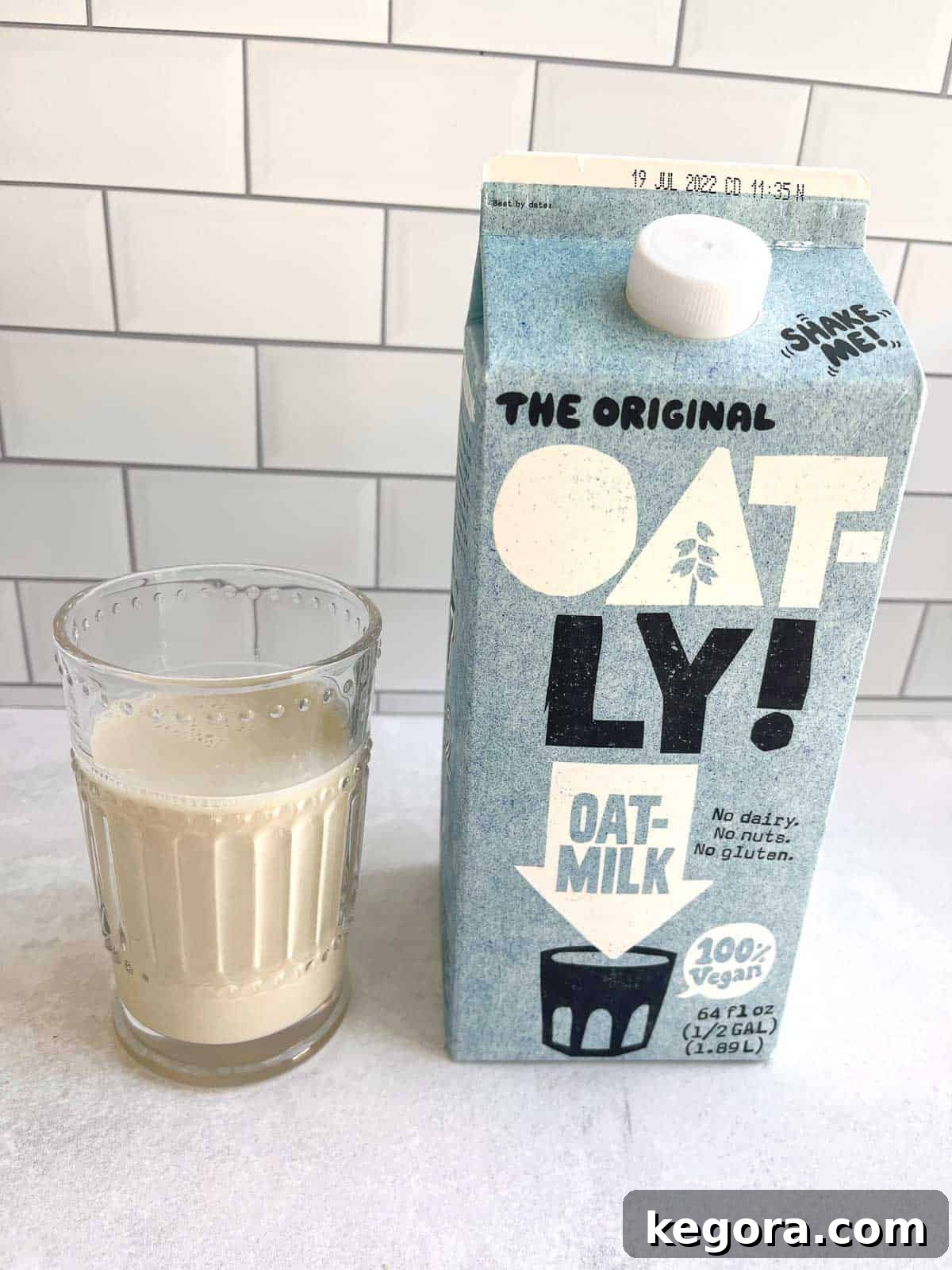
- Oatly: A pioneer in the oat milk market, Oatly is widely recognized for its creamy texture and versatility. Many of their products, including their popular original and barista editions, are certified gluten-free. They are committed to sourcing oats that meet strict purity standards. You can find them in most grocery stores and online, offering a range of options from chilled to shelf-stable. Discover more on their website.
- Planet Oat: Planet Oat offers a delicious variety of certified gluten-free oat milk flavors, including unsweetened, original, vanilla, and dark chocolate. Their products are known for being smooth and rich, making them excellent for drinking, cooking, and coffee. Explore their range, including unsweetened oat milk.
- Califia Farms: Califia Farms provides a broad selection of plant-based milks, with several oat milk options that are not only certified gluten-free but also vegan, soy-free, and kosher. Their extra creamy oat milk, for example, is a favorite for its luxurious texture and ability to froth beautifully. Check out their extra creamy oat milk.
- Elmhurst 1925: Elmhurst stands out for its “Milked Oats” line, which features minimal ingredients and a commitment to clean labels. Their oat milk is certified gluten-free and made without added gums, emulsifiers, or preservatives, addressing a common concern for many consumers seeking natural options. Learn more about their unsweetened Milked Oats.
- Chobani Oat: Known for its yogurt, Chobani has expanded into the plant-based milk category with its Chobani Oat line. They offer certified gluten-free oat milk in various flavors, as well as gluten-free oat milk coffee creamers, providing convenient options for daily enjoyment.
With these trusted brands, you can confidently choose delicious and safe gluten-free oat milk for all your culinary needs. Don’t forget to try using your newfound favorite oat milk to create delightful treats like dairy-free hot chocolate or dairy-free eggnog!
Frequently Asked Questions About Oat Milk and Gluten-Free Diets
Consuming oat milk regularly can offer several health benefits. It’s often fortified with vitamins like D and B12, and minerals like calcium, which are crucial for overall health, especially for those avoiding dairy. Some studies suggest that the beta-glucans in oats can help lower cholesterol levels, potentially reducing the risk of heart disease. However, it’s important to consider that many commercial oat milk brands contain added sugars to enhance flavor. Opt for unsweetened varieties whenever possible to minimize sugar intake. While the USDA recommends three servings of dairy products per day for adults, if you’re using oat milk as a dairy alternative, ensure it’s fortified to meet your nutritional needs, and always consume it as part of a balanced diet.
Oat milk’s soaring popularity can be attributed to several key factors. Firstly, its low allergen profile makes it a safe and inclusive option for many, including those with lactose intolerance, nut allergies, or soy sensitivities. Secondly, its inherently creamy texture is a major draw, especially for baristas and coffee enthusiasts who appreciate how well it froths and blends into hot beverages without curdling. This creaminess also makes it an excellent addition to smoothies and cooking. Beyond its sensory appeal, oat milk offers health benefits, such as contributing to lower cholesterol levels thanks to its soluble fiber content, making it an attractive choice for health-conscious consumers.
In moderation and as part of a balanced diet, oat milk can certainly be good for you. It’s a source of essential nutrients, particularly when fortified, offering vitamins D, B12, and calcium. The fiber content in oats, specifically beta-glucan, is known for its heart-healthy benefits, including cholesterol reduction and promoting satiety, which can aid in weight management by reducing the desire to snack. However, it’s important to note its nutritional comparisons: oat milk often contains more calories and carbohydrates than almond milk, and typically less protein than soy or dairy milk. Many commercial brands also include added sugars and sometimes preservatives to extend shelf life. Therefore, choosing unsweetened, fortified varieties and being mindful of portion sizes is key to maximizing its health benefits and ensuring it aligns with your dietary goals.
Celiac disease is a serious autoimmune disorder where the ingestion of gluten leads to damage in the small intestine. For individuals with Celiac disease, gluten triggers an immune response that attacks the villi, the finger-like projections in the small intestine responsible for nutrient absorption. This damage can lead to malabsorption, nutritional deficiencies, and a wide range of symptoms including digestive issues, fatigue, skin rashes, and neurological problems. Strict and lifelong adherence to a gluten-free diet is the only effective treatment for Celiac disease, allowing the small intestine to heal and symptoms to resolve. Even trace amounts of gluten can cause harm, making certified gluten-free products essential.
Yes, absolutely! Making homemade oat milk is a fantastic way to ensure it’s gluten-free, provided you start with certified gluten-free rolled oats. The process involves blending certified gluten-free oats with water and then straining the mixture. For the creamiest and least “slimy” result, avoid over-blending (a quick 30-60 seconds is usually sufficient) and use a good quality nut milk bag or fine-mesh strainer, possibly straining twice. Homemade oat milk typically lasts 3-5 days in the refrigerator. This method gives you complete control over ingredients, allowing you to avoid added sugars or preservatives often found in commercial versions.
The Bottom Line: Enjoy Gluten-Free Oat Milk with Confidence
Oat milk is a fantastic, creamy, and versatile dairy alternative that offers numerous benefits. However, for those with Celiac disease or gluten sensitivity, the journey to a safe and delicious cup of oat milk requires careful attention. While oats are inherently gluten-free, the pervasive risk of cross-contamination during conventional farming and processing means that not all oat milk is safe for a gluten-free diet.
The key takeaway is clear: always look for oat milk explicitly labeled “certified gluten-free.” This certification is your assurance that the oats have been handled with purity protocols, from the field to the final product, ensuring they meet strict standards for gluten content (typically less than 20 ppm).
By understanding the nuances of oat processing, learning how to decipher product labels, and choosing reputable brands that prioritize gluten-free certification, you can confidently enjoy the rich flavor and creamy texture of oat milk in all your favorite dishes and beverages, without compromising your health or peace of mind.
Explore More Gluten-Free Insights
5 Gluten-Free Halloween Treats To Bake This Week
Top 15 BEST Gluten-Free Pumpkin Recipes
Gluten-Free Taco Seasoning
The 25 BEST Gluten-Free Thanksgiving Desserts
Are Swedish Fish Gluten-Free?
Gluten-Free Candy List 2025!
Gluten-Free Beer (What to Look for + 2025 Brand List!)
Gluten-Free Alcohol 2025 List
Is Buckwheat Gluten-Free? Understanding This Nutritious Seed
Is Brown Rice Gluten-Free? A Staple for Your Diet
Is Baking Powder Gluten-Free? Essential for Gluten-Free Baking
Are Snickers Gluten-Free? Sweet Facts for Your Diet
Are French Fries Gluten-Free? What to Watch Out For
Are Marshmallows Gluten-Free? Sweet Answers
Are Doritos Gluten-Free? Flavorful Facts
Are Grits Gluten-Free? A Southern Comfort Guide
Is Coffee Gluten-Free? Your Morning Brew Explained
Is Boba Gluten-Free? Chewy Pearls and Gluten Concerns
Chick-fil-A Gluten-Free Guide: Navigating Your Order
Starbucks Gluten-Free: Your Guide to Safe Choices