
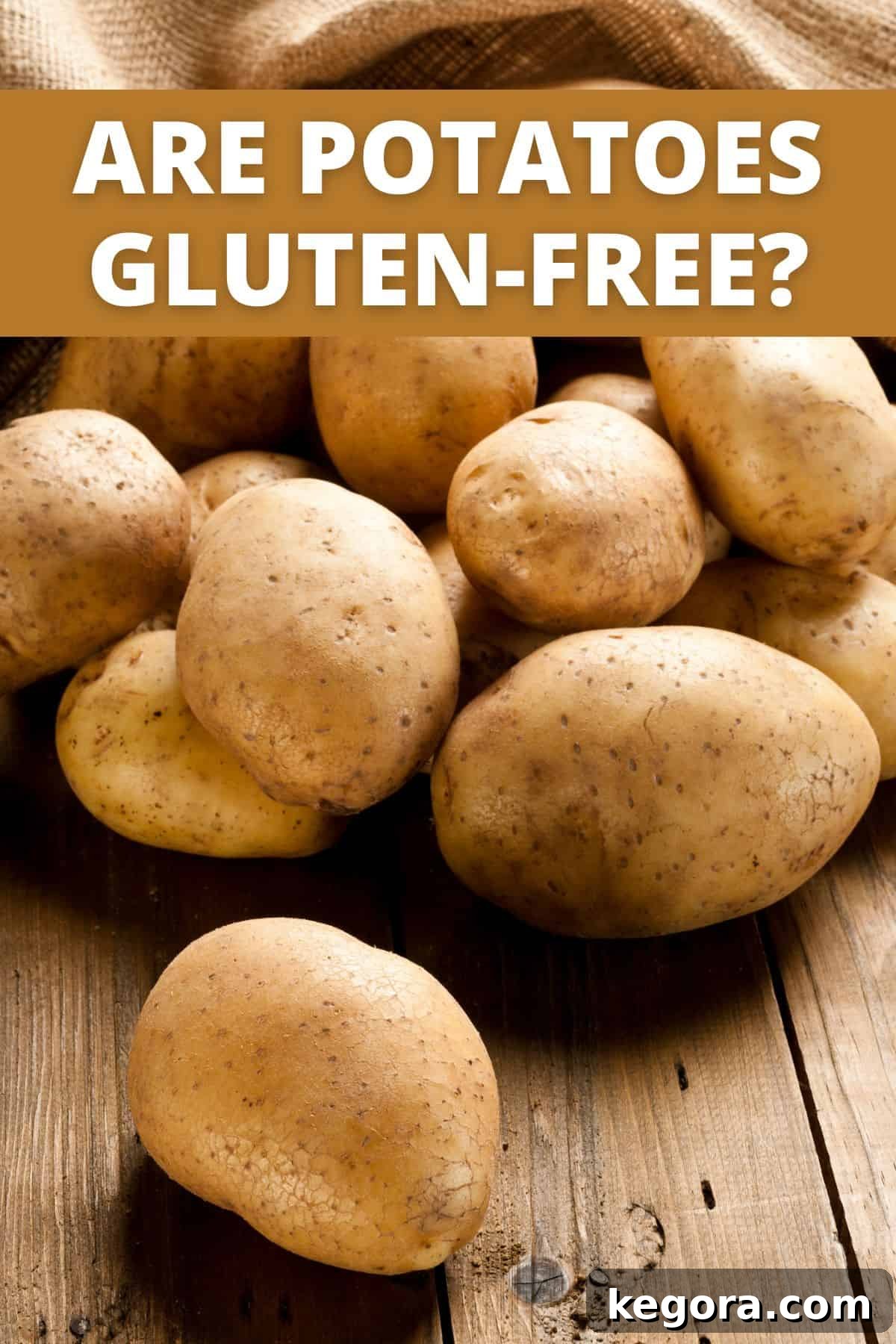
Are Potatoes Gluten-Free? Your Essential Guide to Enjoying Potatoes on a Gluten-Free Diet
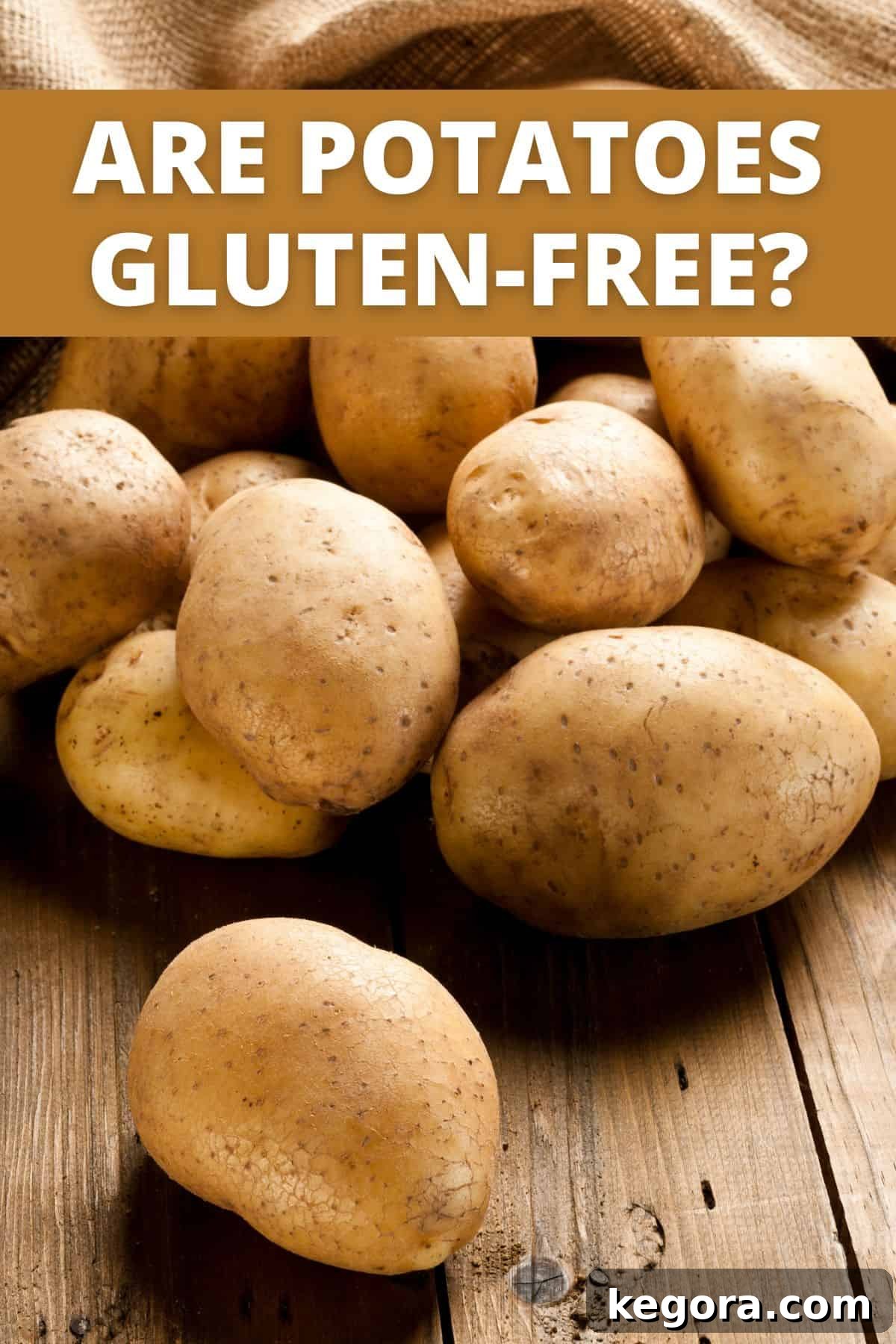
For countless individuals managing Celiac disease, gluten intolerance, or simply adhering to a gluten-free lifestyle, navigating food choices can often feel like a complex puzzle. Amidst this, one staple food frequently sparks curiosity due to its widespread use and versatility: are potatoes gluten-free? The good news for potato lovers is a resounding yes, in their natural state, potatoes are indeed gluten-free. However, the preparation and processing of potato-based dishes can introduce hidden gluten. This comprehensive guide will delve into everything you need to know about potatoes and gluten, helping you enjoy this versatile vegetable safely and deliciously.
The Universal Appeal of Potatoes and Gluten-Free Living
Potatoes, with their incredible versatility and comforting appeal, have earned a cherished spot in cuisines worldwide. Whether transformed into creamy mashed potatoes, crispy French fries, hearty baked potatoes, or delightful roasted wedges, they form the cornerstone of countless beloved dishes. This humble, starchy vegetable isn’t just a children’s favorite; it’s a universal comfort food enjoyed by people of all ages across diverse cultures.
Given their widespread presence and the myriad ways they can be prepared, it’s perfectly natural for anyone managing a gluten allergy or sensitivity to question their gluten-free status. The good news is that fresh potatoes are naturally free from gluten, making them an excellent and safe choice for those on a gluten-free diet. The key, however, lies in understanding that while the potato itself is safe, many commercial or homemade potato dishes can unknowingly incorporate gluten-containing ingredients.
The Clear Answer: Are Potatoes Naturally Gluten-Free?
Let’s get straight to the definitive answer that will bring relief to many: Yes, raw, unprocessed potatoes are 100% naturally gluten-free. This means that all varieties of fresh potatoes—from common Russet and Yukon Gold to vibrant red potatoes and nutritious sweet potatoes—are inherently safe for individuals with Celiac disease, non-Celiac gluten sensitivity, or those simply following a gluten-free diet. The critical distinction lies in how potatoes are prepared and what ingredients are added to them. While the potato itself is safe, many commercial or homemade potato dishes can unknowingly incorporate gluten-containing ingredients. Therefore, understanding the nuances of potato preparation is key to maintaining a strictly gluten-free lifestyle.
Why Are Potatoes Inherently Gluten-Free?
The fundamental reason potatoes are safe for a gluten-free diet is simple: they are a vegetable, not a grain. Gluten is a group of proteins found naturally in certain cereal grains, specifically wheat, barley, rye, and triticale (a hybrid of wheat and rye). Since potatoes do not belong to this grain family, they do not contain these proteins. This natural composition makes them an excellent and versatile carbohydrate source for anyone avoiding gluten.
Beyond their inherent gluten-free status, potatoes offer a wealth of nutritional benefits, making them a healthy addition to any diet. They are a good source of Vitamin C, which is crucial for immune function and skin health, and Vitamin B6, important for metabolism and brain development. Furthermore, potatoes are rich in potassium, a mineral vital for maintaining healthy blood pressure and nerve function. They also provide dietary fiber, particularly when consumed with their skin, which aids in digestion and promotes satiety. For those managing Celiac disease, who may experience nutrient deficiencies due to malabsorption, incorporating nutrient-dense foods like potatoes is especially beneficial. They provide sustained energy without the digestive distress associated with gluten-containing grains, offering a healthy and satisfying carbohydrate option.
Understanding Hidden Gluten in Potato Products: What to Watch Out For
While the potato itself is a safe and healthy gluten-free food, the journey from field to plate often involves various preparation methods and added ingredients that can introduce gluten. For those with Celiac disease or gluten sensitivity, it’s essential to be vigilant about processed potato products and dishes. Here’s a breakdown of common potato-based items that may pose a risk due to hidden gluten, along with advice on how to identify safe options:
- Gravy: Traditional gravies are almost invariably thickened with wheat flour, making them a significant source of gluten. This is particularly common in dishes like mashed potatoes with gravy. Always inquire about the thickener used in gravies when dining out, or opt for homemade versions using cornstarch, arrowroot powder, or a gluten-free flour blend as a safe alternative.
- Cheese Sauce: Similar to gravy, many creamy cheese sauces, especially those found in potato casseroles, au gratin dishes, or topping baked potatoes, often begin with a roux (a mixture of fat and flour) made from wheat flour. This flour acts as a thickening agent, giving the sauce its desired consistency. Always verify the ingredients or prepare your cheese sauces from scratch using gluten-free thickeners like cornstarch or tapioca starch.
- Instant Mashed Potatoes: Convenience often comes with hidden risks. Many brands of instant mashed potatoes, particularly those with added flavorings or seasonings, may contain gluten-containing ingredients. These can include wheat flour, hydrolyzed wheat protein, or maltodextrin derived from wheat. Always scrutinize the ingredient list and look for a ‘gluten-free’ certification on the packaging to ensure safety.
- Potato Chips: The vast majority of plain potato chips are naturally gluten-free, made simply from potatoes, oil, and salt. However, flavored varieties require careful label reading. Certain seasonings may contain gluten, and a common culprit is malt vinegar, which is derived from barley and therefore contains gluten. Cross-contamination during processing can also be a concern if shared equipment is used. Opt for brands explicitly labeled ‘gluten-free’ to enjoy potato chips safely.
- French Fries: Like plain potato chips, fresh-cut French fries made from just potatoes and oil are inherently gluten-free. The primary risk with French fries, especially at restaurants and fast-food establishments, is cross-contamination in shared fryers. If the same fryer is used for breaded items like chicken nuggets, onion rings, or other gluten-containing foods, trace amounts of gluten can transfer to the fries. Always ask about dedicated fryers or choose establishments known for their gluten-free protocols.
- Potato Bread: Despite its name, most commercially available potato bread is not gluten-free. While it contains potato flour or mashed potatoes for flavor and texture, its primary flour base is typically wheat flour. Therefore, potato bread is unsuitable for a gluten-free diet. Look for specialty gluten-free bread varieties that explicitly state “gluten-free” on the label and use potato flour in conjunction with other gluten-free flours like rice flour, tapioca starch, or cornstarch.
- Potato Casseroles (e.g., Funeral Potatoes, Potatoes Au Gratin, Scalloped Potatoes): Beloved comfort food casseroles are frequently prepared with gluten-containing ingredients. Common culprits include wheat-based cream soups, condensed milk products thickened with flour, roux-based cheese sauces, or toppings made from bread crumbs or crushed gluten-containing cereals. To enjoy these hearty dishes, it’s essential to prepare them from scratch using gluten-free substitutes for all thickening agents and toppings.
- Other Potential Hidden Gluten Sources: Beyond these common examples, always be mindful of ingredients like ‘modified food starch’ (unless explicitly stated as gluten-free), certain marinades, spice blends, or processed meat products (like some sausages or hot dogs) served alongside potatoes, as these can sometimes contain hidden gluten. When in doubt, always read ingredient labels thoroughly and look for ‘gluten-free’ certifications.
Delicious Gluten-Free Potato Dishes & Inspiring Recipes
The good news is that the natural gluten-free status of potatoes opens up a vast world of delicious and safe culinary possibilities. With careful ingredient selection and preparation, you can enjoy an incredible array of potato dishes without any gluten concerns. Making your favorite potato recipes at home is often the best way to ensure they remain entirely gluten-free, giving you complete control over all ingredients. From simple roasted potatoes to elaborate casseroles, the options are plentiful.
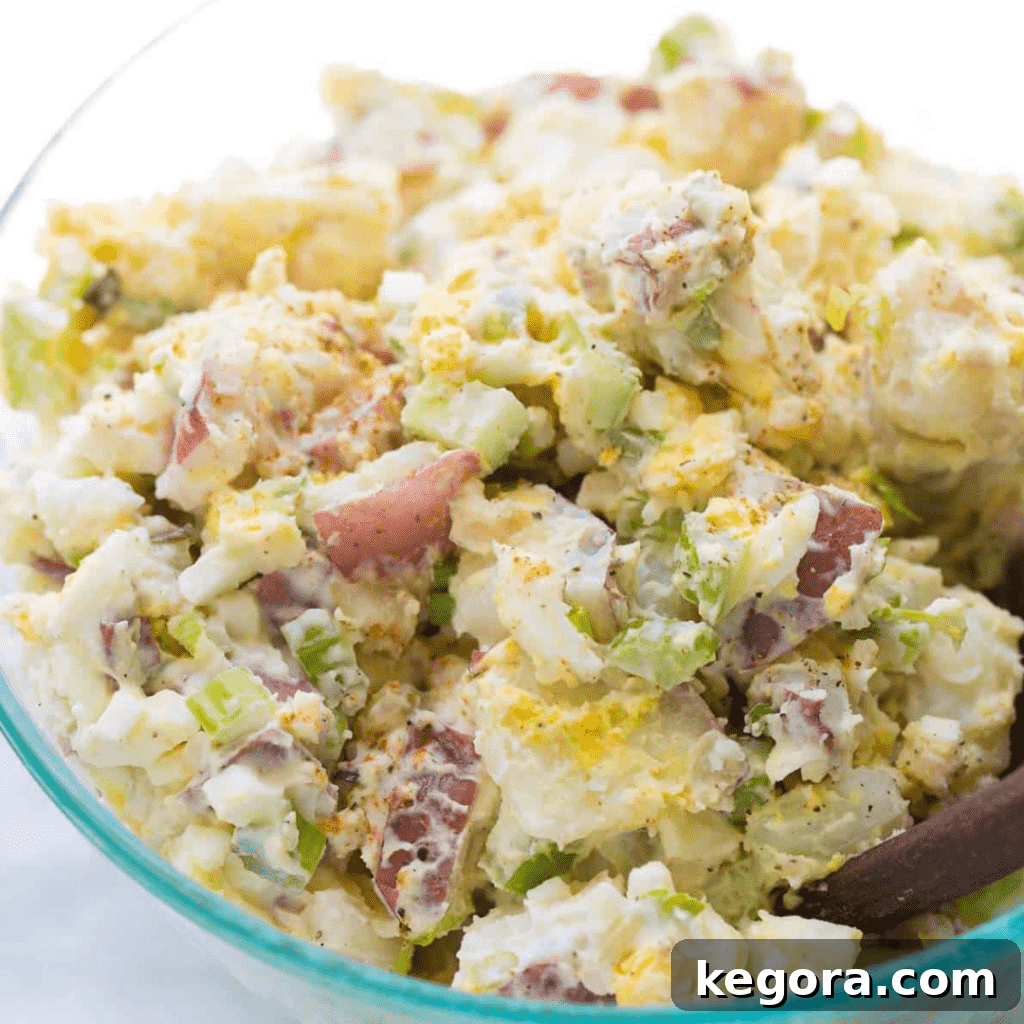
Consider classic preparations like fluffy baked potatoes with safe toppings, crispy roasted potatoes seasoned simply with herbs and spices, creamy potato salad made with gluten-free mayonnaise and mustard, or savory potato skins loaded with cheese and bacon. Homemade hash browns, potato wedges, and even certain types of gluten-free gnocchi (using potato flour or mashed potato) are also wonderful choices. Here are some inspiring gluten-free potato recipes to get you started:
- Roasted Sweet Potato Medallions
- Classic Gluten-Free Potato Salad Recipe
- Comforting Sweet Potato Soup
- Gluten-Free Sweet Potato Casserole
- Sweet Potato Crust Quiche
- Make-Ahead Breakfast Potato Bowls
- One-Pan Roasted Potatoes, Sausage, & Brussel Sprouts
- Gluten-Free Breakfast Burritos
- Caramelized Shallot, Kale, & Sausage Hash
- Gluten-Free Cheesy Potatoes
- Creamy Gluten-Free Mashed Potatoes
- Gluten-Free Scalloped Potatoes
- Dairy-Free Potato Soup
You can also explore these trusted external recipes: an easy potato soup recipe or skillet breakfast potatoes.
Frequently Asked Questions About Gluten-Free Potatoes
Are potato French fries gluten-free?
Plain French fries, made solely from potatoes, oil, and salt, are naturally gluten-free. However, the primary concern, particularly at restaurants and fast-food establishments, is cross-contamination. Many eateries use shared fryers for both gluten-free items and breaded, gluten-containing foods like chicken nuggets, fish, or hash browns. This can transfer gluten particles to your fries. To ensure safety, always inquire if a restaurant has a dedicated gluten-free fryer, or opt to make French fries at home where you control the cooking environment.
Are all vegetables naturally gluten-free?
Yes, all fresh, unprocessed vegetables are naturally gluten-free, and this includes all varieties of potatoes. Gluten is a specific protein found exclusively in grains such as wheat, barley, and rye. As vegetables are not grains, they do not contain gluten proteins. This makes vegetables, including potatoes, a cornerstone of a healthy and diverse gluten-free diet.
Are cooked potatoes gluten-free?
Plain cooked potatoes, whether baked, boiled, roasted, or steamed, remain gluten-free as long as no gluten-containing ingredients are added during preparation. The risk arises when toppings, sauces, or other components are introduced. For instance, mashed potatoes can become unsafe if thickened with wheat flour or if served with gluten-based gravy. Similarly, potato casseroles might include bread crumbs or cream soups containing gluten. Always confirm all ingredients used in cooked potato dishes, especially when eating out or purchasing prepared foods.
The Bottom Line: Enjoying Potatoes Safely on a Gluten-Free Diet
In conclusion, the answer to “Are potatoes gluten-free?” is a definitive yes, when consumed in their natural, unprocessed state. Fresh potatoes are a fantastic, versatile, and nutritious staple for anyone on a gluten-free diet, including those with Celiac disease or gluten sensitivity. The key to safely enjoying potatoes lies in vigilance regarding preparation and added ingredients. Always be mindful of gravies, cheese sauces, instant mixes, cross-contamination in fried foods, and breading. By understanding these potential pitfalls and opting for homemade preparations or clearly labeled gluten-free products, you can confidently integrate potatoes into a healthy and delicious gluten-free lifestyle. So go ahead, enjoy your potatoes in all their wonderful, gluten-free glory!
More Articles on Gluten-Free Living
5 Gluten-Free Halloween Treats To Bake This Week
Top 15 BEST Gluten-Free Pumpkin Recipes
Gluten-Free Taco Seasoning
The 25 BEST Gluten-Free Thanksgiving Desserts
Are Swedish Fish Gluten-Free?
Gluten-Free Candy List 2025!
Gluten-Free Beer (What to Look for + 2025 Brand List!)
Gluten-Free Alcohol 2025 List
For more insights into specific gluten-free products and ingredients, explore our other helpful guides:
- Are Snickers Gluten-Free?
- Are Grits Gluten-Free?
- Are Marshmallows Gluten-Free?
- Are French Fries Gluten-Free?
- Are Tater Tots Gluten-Free?
- Are Potato Chips Gluten-Free?
- Are Doritos Gluten-Free?
- Is Naan Gluten-Free?
- Chick-fil-A Gluten-Free Options
- Is Ketchup Gluten-Free?
- Is Butter Gluten-Free?
- Are Mashed Potatoes Gluten-Free?