
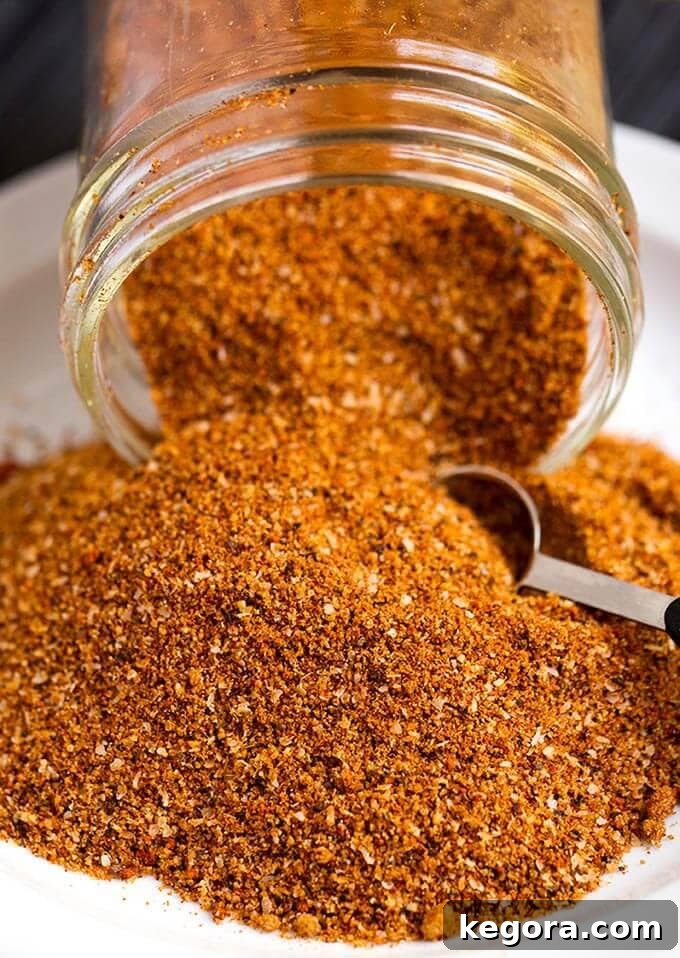
Welcome to the ultimate guide for crafting the perfect Ribs Spice Rub – a secret weapon for anyone looking to transform ordinary cuts of meat into extraordinary culinary masterpieces. This isn’t just any seasoning; it’s a meticulously balanced blend designed to enhance the natural flavors of your favorite meats, delivering a symphony of smoky, salty, sweet, and subtly spicy notes. Whether you’re a seasoned pitmaster or a weekend grilling enthusiast, this homemade dry rub recipe is remarkably easy to prepare and incredibly versatile, suitable for grilling, smoking, slow cooking, baking, and beyond. Say goodbye to bland meats and hello to a world of rich, aromatic flavor that will have everyone running to the dinner table!
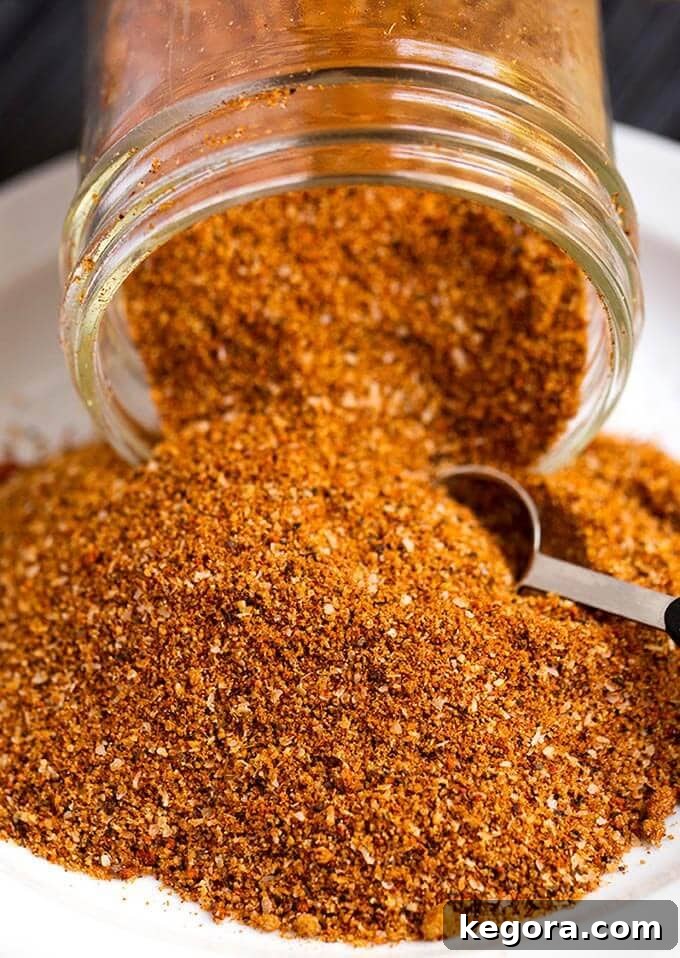
The Ultimate Homemade Ribs Spice Rub for Unforgettable Flavor
There’s a special kind of magic that happens when perfectly seasoned ribs come off the grill or out of the smoker. The aroma alone is enough to draw a crowd, and the first bite confirms it: tender, juicy meat infused with deep, complex flavor. This is the experience our homemade dry rub for ribs promises to deliver. Crafted with care, this pork rib rub ensures your ribs are not just cooked, but truly celebrated.
Unlike many store-bought options that can be overly salty or one-dimensional, our ribs spice rub is perfectly balanced. It strikes an exquisite equilibrium between savory, sweet, and smoky elements, with a delicate hint of heat that awakens the palate without overwhelming it. This thoughtful blend doesn’t just sit on the surface; it penetrates the meat, creating a delicious bark and an incredibly flavorful interior. You’ll find it beautifully complements your favorite barbecue sauces, providing a robust base that elevates, rather than masks, their unique characteristics.
For those who love a little extra zing, this homemade spice rub is easily customizable. If you crave more heat, simply double up on the cayenne pepper, or even add a pinch of ghost pepper powder for a fiery kick. Conversely, if you prefer a milder profile, reduce the cayenne or omit it altogether. The beauty of making your own BBQ rub recipe is having complete control over its flavor profile, allowing you to tailor it precisely to your taste and that of your guests.
Versatility: What Meats This Dry Rub Shines On
While we call this a “ribs spice rub,” its incredible flavor profile makes it suitable for much more than just baby back ribs. This versatile seasoning blend is a true game-changer for a variety of meats, enhancing their natural taste and adding a delicious crust:
- Pulled Pork: Generously coat a pork shoulder or Boston butt with this dry rub before slow cooking or smoking. The brown sugar helps create a beautiful bark, while the spices infuse the meat with deep, savory flavor, perfect for shredding into mouth-watering pulled pork sandwiches or tacos.
- Country Style Ribs: These boneless or bone-in cuts benefit immensely from the rub, whether you’re braising them, grilling them, or preparing slow cooker country style ribs. The spices caramelize beautifully, yielding tender, flavorful meat.
- Spare Ribs: A classic choice for BBQ, spare ribs are transformed by this rub. Its robust blend stands up to the longer cooking times typically associated with smoking or grilling spare ribs, creating an unforgettable outdoor cooking experience.
- Short Ribs: Whether braised or slow-cooked, beef or pork short ribs take on a rich depth when seasoned with this blend. The savory notes complement the inherent richness of the meat.
- Pork Chops: For a quick weeknight meal, sprinkle this pork rub on pork chops before grilling, pan-searing, or baking. It adds a delicious crust and a burst of flavor that makes them far from ordinary.
- Chicken: Don’t limit yourself to pork! This best dry rub also works wonders on chicken. Rub it onto chicken thighs, breasts, or even a whole roasted chicken for a delightfully seasoned skin and juicy interior. It’s a fantastic alternative to traditional poultry seasonings.
I personally swear by this ribs dry rub for my Instant Pot Baby Back Ribs, achieving fall-off-the-bone tenderness and incredible flavor in a fraction of the time. It’s equally phenomenal on ribs destined for the traditional grill, the low-and-slow smoker, or the set-it-and-forget-it slow cooker. You can also elevate your Instant Pot Pulled Pork recipe or create truly special Slow Cooker Baby Back Ribs with this same versatile blend. The possibilities are truly endless!
Crafting Your Perfect Ribs Spice Rub: Ingredients Demystified
The magic of this homemade dry rub seasoning lies in its carefully selected ingredients, each playing a crucial role in building a complex and satisfying flavor profile. Understanding what each spice brings to the table will empower you to appreciate the blend and even adjust it to your personal preference.
- Kosher Salt (coarse salt, not table salt): Salt is the foundation of any good rub, enhancing all other flavors. Kosher salt is preferred for its larger crystal size, which adheres better to meat and allows for more even distribution without over-salting quickly. Its pure flavor is superior to iodized table salt.
- Coarse Black Pepper: Providing a pungent kick and aromatic warmth, coarse black pepper adds essential depth and a pleasant textural element to the rub. Freshly ground pepper is always recommended for maximum flavor.
- Cumin Powder: With its earthy, warm, and slightly smoky notes, cumin powder brings a distinct savory character that is classic in BBQ and complements pork beautifully.
- Chili Powder: This blend typically includes ground chilies like ancho, cayenne, and paprika, offering mild heat, a rich red color, and a subtle smoky undertone that is fundamental to most BBQ rubs.
- Smoked Paprika: This is a star ingredient for achieving that authentic BBQ flavor, even without a smoker. Smoked paprika (Pimentón de la Vera) imparts a deep, rich, and truly smoky essence, along with a vibrant color. It’s irreplaceable for its depth of flavor.
- Sweet Paprika: Complementing the smoked variety, sweet paprika adds another layer of mild pepper flavor and a beautiful reddish hue, contributing to the overall visual appeal and sweetness of the rub.
- Garlic Powder (or granulated garlic): A cornerstone of savory cooking, garlic powder provides a foundational umami and aromatic punch that is indispensable in BBQ. Granulated garlic offers a slightly coarser texture but similar flavor.
- Onion Powder: Like garlic powder, onion powder adds a savory, sweet, and aromatic depth, creating a well-rounded flavor base that pairs wonderfully with all types of meat.
- Brown Sugar: This is where the “sweet” in smoky-salty-sweet comes in. Brown sugar not only adds a lovely sweetness that balances the savory and spicy notes but also plays a critical role in caramelization. As the meat cooks, the sugar melts and creates that desirable, dark, flavorful “bark” on the surface of your ribs.
- Cayenne Pepper (or more for spicy): For that hint of heat, cayenne pepper is key. It provides a clean, sharp spiciness. Start with the recommended amount and adjust to your preference – increase it for a bolder, spicier rub, or reduce it for a milder experience.
By blending these ingredients, we create a harmonious BBQ rub recipe that is both complex and incredibly satisfying.
Making and Storing Your Homemade Ribs Dry Rub
One of the best advantages of making your own ribs spice rub is the convenience of having it ready whenever the craving for BBQ strikes. I highly recommend making a double batch – or even triple – so you’re never caught without this essential seasoning.
How to Make It:
- Gather all your spices according to the recipe card below.
- Add all measured ingredients into a clean, airtight container. A mason jar works perfectly, allowing for easy mixing and long-term storage.
- Close the lid tightly and shake vigorously for 1-2 minutes to ensure all the spices are thoroughly combined and evenly distributed. You want every spoonful to have the same incredible flavor profile.
Storage Tips:
- Airtight Container: Always store your dry rub in an airtight container. This protects the spices from moisture and air, which can cause them to lose their potency and flavor over time.
- Cool, Dry Place: Keep the container in a cool, dark pantry or cupboard, away from direct sunlight, heat sources, and humidity. Heat and light are enemies of spice longevity.
- Shelf Life: When stored properly, this homemade spice rub will retain its full flavor and aroma for up to 6 months. While it won’t “go bad” in the traditional sense, the flavors will gradually diminish over a longer period. For best results, aim to use it within 3-4 months.
How to Apply Dry Rub for Maximum Flavor
Applying the dry rub for ribs correctly is crucial for maximizing flavor and achieving that coveted caramelized bark. Here’s a step-by-step guide:
- Prepare the Ribs: Start by patting your ribs thoroughly dry with paper towels. Excess moisture can prevent the rub from adhering properly and inhibit bark formation. For pork ribs, it’s also highly recommended to remove the thin membrane from the back of the rack. This membrane can become tough and chewy when cooked, and removing it allows the rub to penetrate the meat more effectively, resulting in more tender ribs.
- Apply a Binder (Optional but Recommended): Some pitmasters like to apply a thin layer of mustard (yellow, Dijon, or even hot sauce) as a binder. This helps the rub stick better and can add a subtle tangy note, though it won’t impart a strong mustard flavor. Olive oil or a spritz of apple cider vinegar can also work.
- Generously Coat: Sprinkle the ribs spice rub liberally and evenly over all surfaces of the ribs. Don’t be shy – you want a good, thick coating. Gently pat the rub into the meat; don’t rub it in aggressively, as this can clump the spices.
- Rest and Absorb: For optimal flavor infusion, let the seasoned ribs rest in the refrigerator for at least 2-4 hours, or ideally overnight (up to 12 hours). This allows the salt to draw moisture out of the meat, dissolve the spices, and then draw that flavorful liquid back into the muscle fibers. This process is called osmosis and is key to deep flavor penetration.
- Bring to Room Temperature: Before cooking, remove the ribs from the refrigerator about 30-60 minutes in advance to allow them to come closer to room temperature. This promotes more even cooking.
For other meats like pork chops or chicken, a similar process applies: pat dry, apply the rub generously, and allow some resting time before cooking to let the flavors meld.
Cooking Methods: Mastering Ribs with Your Spice Rub
The beauty of this dry rub for ribs is its adaptability to various cooking methods. Each method brings out different nuances of flavor and texture, ensuring a delicious outcome every time.
Grilling
Grilling with this BBQ rub recipe yields deliciously charred edges and tender interiors. For ribs, opt for indirect heat: set up your grill with coals or burners on one side and cook the ribs on the other, lid closed. Maintain a consistent temperature of 250-300°F (120-150°C). Cook until tender, typically 2-3 hours for baby back ribs, flipping occasionally. Finish with a quick sear over direct heat for extra crispiness, if desired, before saucing.
Smoking
Smoking is where this smoked ribs rub truly shines, creating an incredible bark and deep smoky flavor. Maintain a low and slow temperature of 225-250°F (107-120°C). Use mild smoking woods like apple, cherry, or pecan to complement the rub’s flavors. Employ the “3-2-1” method for spare ribs (3 hours smoking, 2 hours wrapped, 1 hour unwrapped and sauced) or “2-2-1” for baby back ribs. The brown sugar in the rub will contribute significantly to the formation of a rich, caramelized bark.
Slow Cooking
For effortless, fall-off-the-bone ribs, the slow cooker is your friend. After applying the homemade spice rub, place the ribs in your slow cooker with a small amount of liquid (apple juice, cider vinegar, or broth). Cook on low for 6-8 hours or on high for 3-4 hours, until incredibly tender. To achieve a crispier exterior, transfer the cooked ribs to a baking sheet and broil for a few minutes after coating with your favorite BBQ sauce.
Baking
Baking ribs in the oven is a reliable method for consistently tender results. Preheat your oven to 275-300°F (135-150°C). After rubbing the ribs, wrap them tightly in foil or place them in a covered roasting pan with a splash of liquid. Bake for 2-3 hours, or until very tender. For a finish reminiscent of grilling, unwrap the ribs, brush with BBQ sauce, and increase the oven temperature or broil for a final 10-15 minutes to caramelize the sauce and create a slight char.
Frequently Asked Questions About Our Ribs Spice Rub
Here are answers to some common questions about this versatile dry rub:
Q: Can I make this rub ahead of time?
A: Absolutely! In fact, it’s encouraged. Making a larger batch and storing it allows the flavors to meld even further, and you’ll always have it on hand for your next BBQ. Refer to our storage tips above.
Q: How long does the rub last?
A: When stored in an airtight container in a cool, dry place, this homemade spice rub will maintain its potency for up to 6 months. For the freshest flavor, try to use it within 3-4 months.
Q: What if I don’t like spicy food?
A: No problem! The cayenne pepper is the primary source of heat. You can reduce the amount or omit it entirely for a completely mild rub. The other spices will still deliver an incredible flavor profile.
Q: Can I use this rub on beef, fish, or vegetables?
A: While optimized for pork and chicken, this BBQ rub recipe can certainly be experimented with on other proteins. It works wonderfully on beef brisket or short ribs. For fish or vegetables, you might want to use a lighter hand, as the flavors are quite robust. It’s fantastic on roasted potatoes or sweet corn!
Q: What’s the difference between kosher salt and table salt, and why does it matter?
A: Kosher salt has larger, coarser crystals compared to fine-grained table salt. This makes it easier to distribute evenly over meat without over-salting, and it dissolves more slowly, giving you better control. Table salt often contains anti-caking agents and iodine, which can impart a slightly metallic taste. Always use kosher salt for best results in rubs and cooking.

Rotisserie Chicken Spice Rub
Cajun Spice Blend
Easy Taco Seasoning
Baked Chicken Spice Rub
Homemade Fajita Seasoning
This Ribs Spice Rub is more than just a seasoning; it’s an invitation to elevate your cooking and delight your taste buds. With its balanced flavors, ease of preparation, and incredible versatility, it’s bound to become a staple in your kitchen. So go ahead, mix up a batch, and prepare to impress!
If you try this delicious dry rub for your ribs or any other meat, please take a moment to leave a comment and a star rating below. Your feedback helps other home cooks discover and enjoy this fantastic recipe. I’d love to hear how you liked it and what culinary creations you used it on!
Ribs Spice Rub
Ingredients
- 1-2 Tablespoons Kosher Salt (coarse salt, not table salt)
- 1 Tablespoon Coarse Black Pepper
- 1 Tablespoon Cumin Powder
- 1 Tablespoon Chili Powder
- 2 Tablespoon Smoked Paprika
- 1 Tablespoon Sweet Paprika
- 1 Tablespoon Garlic Powder (or granulated garlic)
- 1 Tablespoon Onion Powder
- 2 Tablespoons Brown Sugar
- 1 teaspoon Cayenne Pepper (or more for spicy)
Instructions
-
Add all spices to a container with a lid (I use a mason jar). If you are sensitive to salt, use only 1 Tablespoon (you can always add more if you like).
-
Shake well to mix.
-
Store with lid closed in a cool, dry place.
Notes
Nutrition
Nutrition information is automatically calculated, so should only be used as an approximation.