
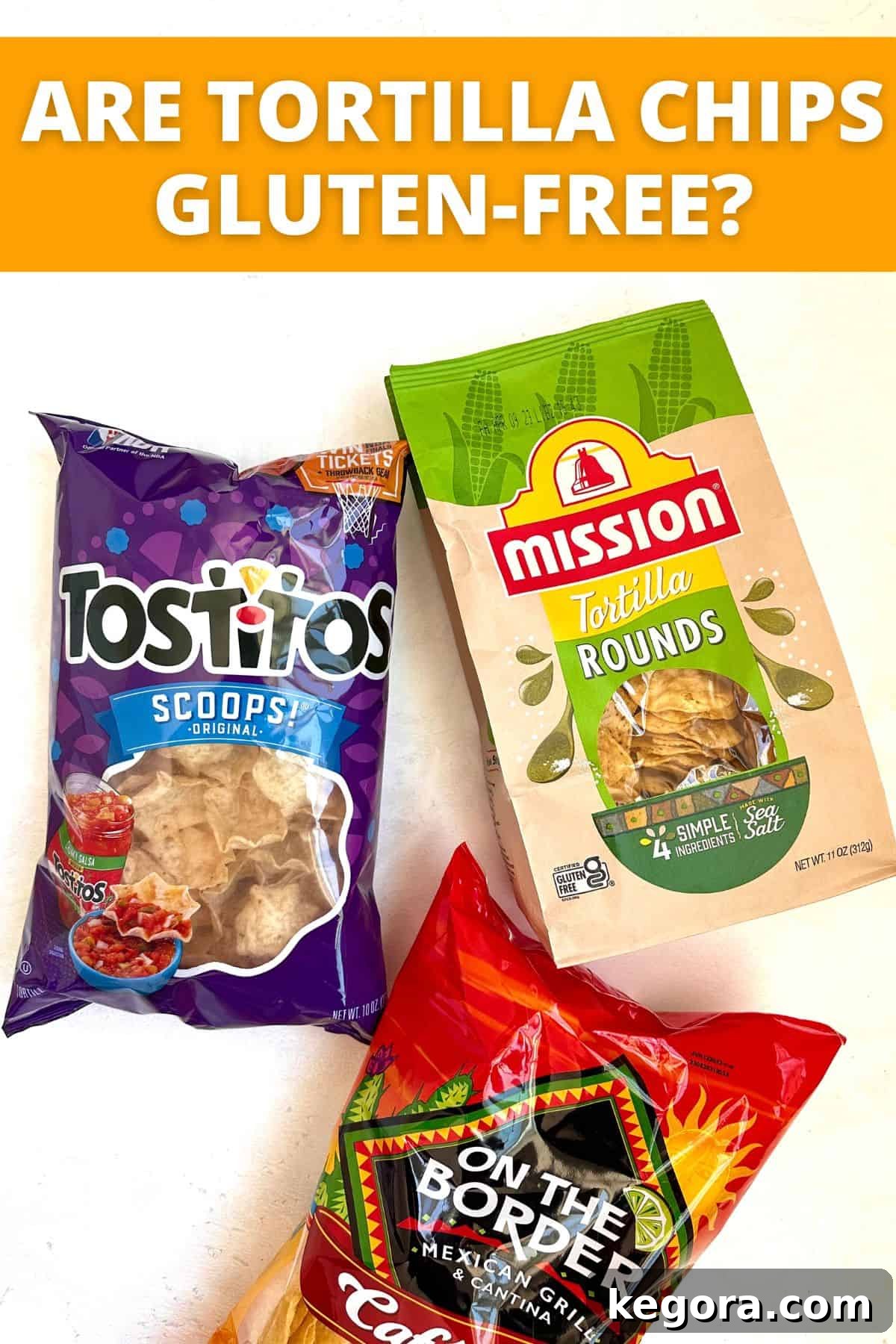
Tortilla chips… the ultimate crunchy, salty, and incredibly satisfying snack. For many, they are an indispensable part of Mexican cuisine and casual gatherings. But for individuals navigating a gluten-free lifestyle, whether due to celiac disease, gluten sensitivity, or a wheat allergy, a crucial question arises: Are tortilla chips truly gluten-free? This comprehensive guide will delve into everything you need to know to enjoy tortilla chips safely and confidently on a gluten-free diet.
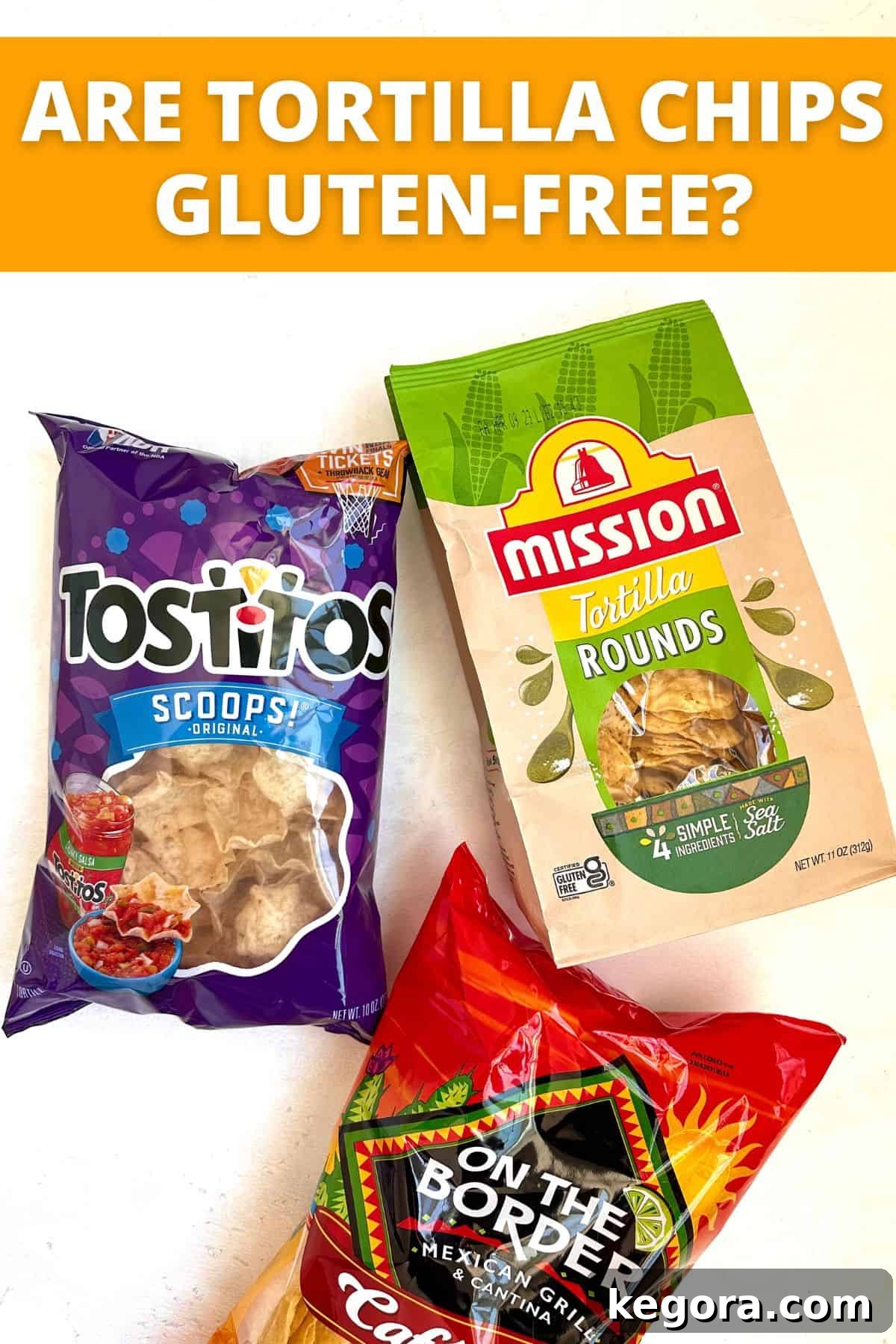
Mexican restaurants wouldn’t be complete without the iconic duo of chips and salsa. If you’re managing a gluten-free diet, you might be wondering if these beloved corn-based crisps can still be a part of your life. The good news is that for the most part, yes, they can!
Short Answer
Short Answer: Yes, most tortilla chips are naturally gluten-free! The traditional recipe for tortilla chips is refreshingly simple, featuring just a handful of naturally gluten-free ingredients: ground corn, oil, and salt. These foundational components are inherently free from gluten, making classic tortilla chips a safe bet for many.
However, vigilance is key. It’s essential to always read ingredient labels, as some specialized tortilla chip varieties may incorporate wheat flour or other gluten-containing additives into their blends. Furthermore, when enjoying tortilla chips in a restaurant setting, always inquire about potential cross-contamination risks, especially regarding shared fryers or preparation surfaces.
For additional insights into gluten-free snacking, explore our guides on Are Doritos Gluten-Free?, Are Fritos Gluten-Free?, Are Cheetos Gluten-Free?, Are Takis Gluten-Free?, Is Popcorn Gluten-Free?, and Are Potato Chips Gluten-Free?.
You might also find these articles helpful: Is Brown Rice Gluten-Free?, Are Corn Flakes Gluten-Free?, Are Grits Gluten-Free?, Are Pringles Gluten-Free?, and Are Oats Gluten-Free?.
Table of Contents
- What is Gluten? Understanding the Basics
- Are Tortilla Chips Gluten-Free? A Comprehensive Answer
- The Core Ingredients: What Are Tortilla Chips Made Of?
- Decoding Labels: Identifying Gluten-Free Products
- The Risk of Cross-Contamination: Restaurants and Home Kitchens
- Top Gluten-Free Tortilla Chip Brands
- Making Your Own Gluten-Free Tortilla Chips at Home
- Beyond Tortilla Chips: Other Gluten-Free Snack Options
- Frequently Asked Questions (FAQs)
- The Bottom Line
What is Gluten? Understanding the Basics
Before diving into tortilla chips, it’s helpful to understand what gluten is and why it’s a concern for so many. Gluten is a family of proteins found in certain grains, primarily wheat, barley, rye, and triticale (a hybrid of wheat and rye). It acts as a binder, giving dough its elasticity and baked goods their chewy texture.
For individuals with celiac disease, consuming gluten triggers an autoimmune response that damages the small intestine, leading to nutrient malabsorption and a range of debilitating symptoms. Non-celiac gluten sensitivity (NCGS) presents similar symptoms without the intestinal damage, while a wheat allergy is an immune reaction to wheat proteins. For all these conditions, a strict gluten-free diet is essential for health and well-being. This means avoiding any food that contains wheat, barley, rye, or triticale, or has been cross-contaminated with them.
Are Tortilla Chips Gluten-Free? A Comprehensive Answer
As a general rule, tortilla chips are indeed gluten-free. Their primary ingredient is corn, a grain that is naturally free of gluten. This makes them a fantastic, crunchy option for anyone adhering to a gluten-free diet, offering a satisfying alternative to wheat-based snacks. However, making assumptions can be risky in the gluten-free world, which is why diligent label reading is paramount.
While the core ingredients are safe, variations in manufacturing processes, flavorings, and specific product formulations can introduce gluten. Some companies might use shared equipment, leading to accidental cross-contamination, or they might intentionally add gluten-containing ingredients for texture or flavor in certain varieties. For the highest level of assurance, always look for products that are explicitly labeled “certified gluten-free.” This certification signifies that the product has been independently tested and meets stringent standards, typically containing less than 20 parts per million (ppm) of gluten, as per FDA regulations. This threshold is widely considered safe for individuals with celiac disease.
Even if a product isn’t certified, if its ingredient list clearly shows only naturally gluten-free components and no “may contain wheat” warnings, it’s generally considered safe. Always remain cautious, especially with new products or lesser-known brands, and prioritize those with clear gluten-free labeling.
The Core Ingredients: What Are Tortilla Chips Made Of?
The beauty of classic tortilla chips lies in their simplicity. At their heart, they are made from finely ground corn (often referred to as masa), a type of vegetable oil for frying, and a sprinkle of salt. This straightforward combination is what makes the vast majority of tortilla chips naturally gluten-free.
- Corn: The foundational ingredient. Tortilla chips typically use corn masa, which is made from corn kernels that have undergone a traditional process called nixtamalization. This involves cooking and steeping the corn in an alkaline solution (like limewater), then grinding it into a dough. This process not only enhances the nutritional value of the corn but also improves its flavor and texture, making it ideal for tortillas and chips. Corn itself, regardless of its color (yellow, white, or blue), is naturally gluten-free.
- Vegetable Oil: Commonly used oils include corn oil, canola oil, sunflower oil, or soybean oil. These oils are all naturally gluten-free and are used to achieve that signature crispy texture.
- Salt: A simple seasoning that enhances the flavor. Salt is, of course, gluten-free.
This minimalist ingredient list is what you want to see for a truly gluten-free tortilla chip. For example, a bag of Original Tostitos Restaurant Style chips exemplifies this purity:
- Corn
- Vegetable Oil (Corn, Canola, and/or Sunflower Oil)
- Salt
However, the landscape of snack foods is ever-evolving, and many specialty flavors and varieties exist, often with expanded ingredient lists. This is where careful label reading becomes crucial. Flavorings, spices, and binders can sometimes introduce hidden gluten. Consider the ingredient list for Tostitos Black Bean & Garlic chips, which poses a significant risk for those avoiding gluten:
- Corn
- Vegetable Oil (Corn, Canola, and/or Sunflower Oil)
- Dried Black Beans
- Corn Starch
- Maltodextrin (made from corn)
- Whole White Wheat
- Whole Triticale
- Whole Oats
- Whole Rye
- Whole Barley
- Whole Millet
- Whole Buckwheat
- Salt
- Whole Brown Rice
- Spices
- Sugar
- Onion Powder
- Dried Onion
- Natural Flavors
- Yeast Extract
- Garlic Powder
- Dried Garlic
This particular variety clearly illustrates the dangers of assuming all chips from a brand are safe. It contains not one, but four distinct gluten-containing grains: **wheat, triticale, rye, and barley**. This serves as a powerful reminder that even within the same brand, ingredient formulations can vary drastically, necessitating a thorough check of every package.
You also might like this article on Is Corona Gluten-Free?.
Decoding Labels: Identifying Gluten-Free Products
Understanding food labels is your most powerful tool for maintaining a safe gluten-free diet. When it comes to tortilla chips, here’s what to look for:
- “Gluten-Free” Label: In the United States, the FDA regulates the term “gluten-free.” For a product to be labeled gluten-free, it must contain less than 20 parts per million (ppm) of gluten. This standard is widely accepted as safe for individuals with celiac disease.
- “Certified Gluten-Free” Symbol: This is the gold standard for gluten-free products. When you see a “Certified Gluten-Free” symbol (such as those from the Gluten-Free Certification Organization – GFCO, or others), it means the product has undergone rigorous third-party testing and adheres to even stricter standards, often less than 10 ppm of gluten. This certification provides an extra layer of assurance, indicating not only that the ingredients are free from gluten but also that the product has been produced in facilities designed to minimize cross-contamination.
- Ingredient List: Always scan the ingredient list for obvious gluten-containing grains: wheat, barley, rye, and triticale. Be aware that wheat can appear in various forms, such as wheat flour, wheat starch, or semolina.
- Allergen Warnings: Look for “contains” statements (e.g., “Contains Wheat”) or “may contain” warnings (e.g., “May contain traces of wheat,” “Manufactured on shared equipment with wheat products”). While “may contain” statements are voluntary and not regulated, they serve as a red flag for those with severe sensitivities or celiac disease.
Choosing certified gluten-free products whenever possible is the best way to ensure safety and peace of mind when enjoying tortilla chips.
The Risk of Cross-Contamination: Restaurants and Home Kitchens
Even if ingredients are naturally gluten-free, the risk of cross-contamination can turn a safe snack into a dangerous one for those with celiac disease or severe gluten sensitivities. This is particularly relevant in restaurant settings and can even occur in home kitchens.
In Restaurants:
When you order tortilla chips at a restaurant, it’s crucial to ask about their preparation methods. The most common culprit for cross-contamination with fried foods is a **shared fryer**. If a restaurant uses the same fryer for gluten-containing items (like breaded chicken, onion rings, or flour tortillas) and naturally gluten-free items (like tortilla chips), small gluten particles can transfer to the gluten-free food. This can render the chips unsafe for consumption by someone on a strict gluten-free diet. Many restaurants, like Chili’s, explicitly state on their allergen menus that their chips are cooked in shared fryers, making them unsafe for celiac patients.
Beyond fryers, consider other potential sources:
- Shared Surfaces and Utensils: If tortilla chips are handled on the same cutting boards or with the same tongs that previously touched gluten-containing items, cross-contamination can occur.
- Flour Dust: In establishments that prepare flour tortillas, flour dust can be airborne and settle on other foods, including tortilla chips.
Always communicate your dietary needs clearly and politely ask staff about their cross-contamination protocols. If a restaurant cannot guarantee separate preparation or a dedicated fryer, it’s best to opt for a naturally gluten-free meal that doesn’t require frying or a dish with known safe preparation methods.
In Home Kitchens:
Cross-contamination can also happen at home, especially in shared kitchens. To prevent it:
- Dedicated Appliances: If possible, use a separate deep fryer or air fryer for gluten-free foods. If this isn’t feasible, thoroughly clean any shared appliances, especially those with crevices where crumbs might hide.
- Separate Prep Areas: Designate a clean, gluten-free prep area. Use separate cutting boards, utensils, and serving dishes for gluten-free items.
- Clean Hands: Always wash hands before preparing gluten-free meals after handling gluten-containing foods.
Being mindful of these practices at home ensures that your delicious gluten-free tortilla chips remain safe from start to finish.
Top Gluten-Free Tortilla Chip Brands
Thankfully, many brands prioritize gluten-free production, making it easier to find safe tortilla chips in your grocery store. When shopping, look for these brands, always double-checking the specific product packaging for “gluten-free” labeling or certification:
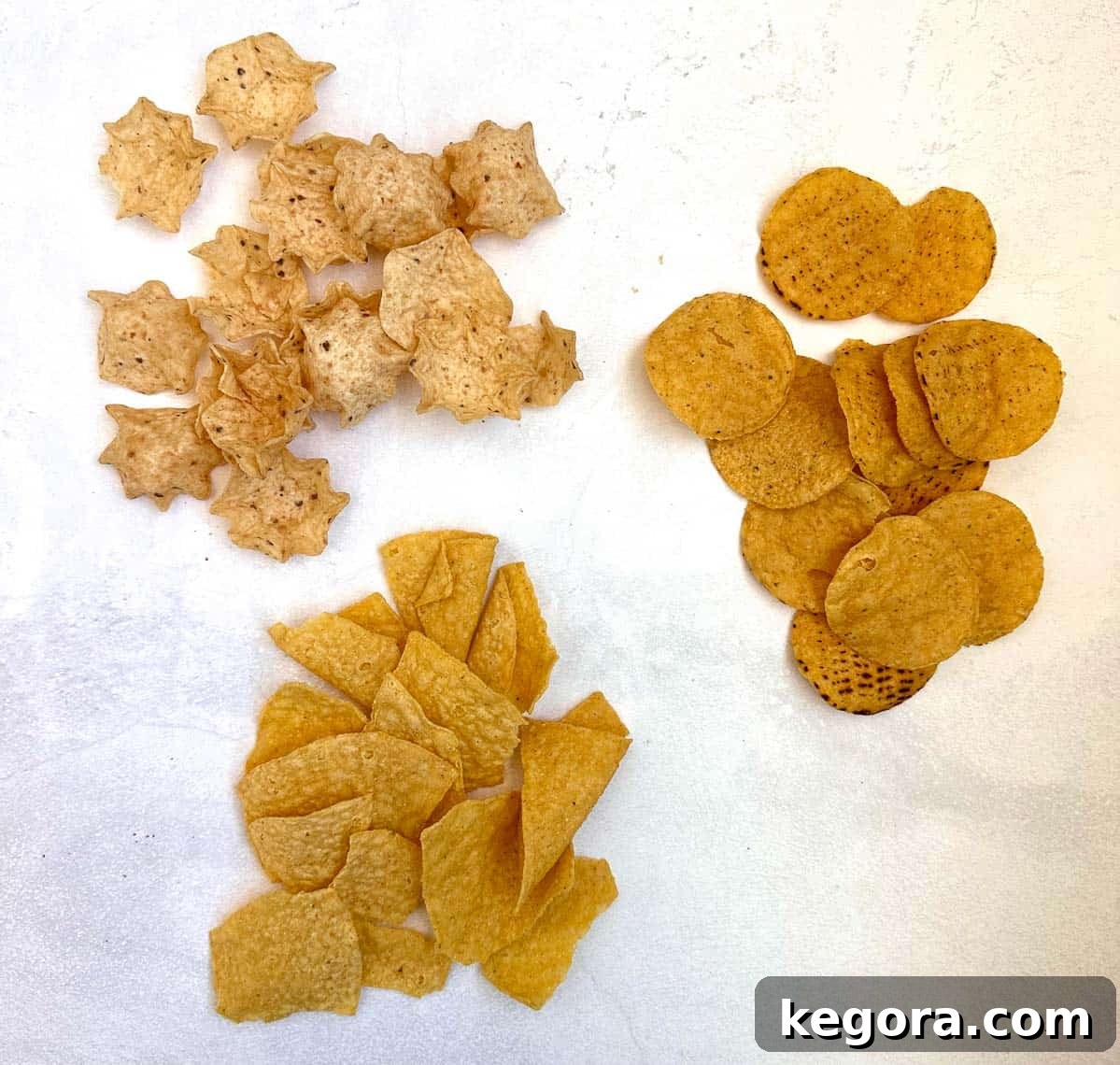
- Mission: Known for their commitment to gluten-free options, many Mission corn products, including their tortilla chips, are certified gluten-free and produced on separate lines to avoid cross-contamination.
- Tostitos*: A popular choice, but careful selection is required. While many Tostitos varieties are gluten-free, some flavors contain gluten. Always consult the Frito Lay website or the specific package.
- Great Value (Walmart): Many of Walmart’s store-brand tortilla chips are gluten-free, offering an affordable option.
- Late July: A brand highly regarded for its organic and non-GMO snacks, Late July offers a wide range of certified gluten-free tortilla chips in various flavors.
- Food Should Taste Good: Specializes in unique flavors and uses a variety of gluten-free grains beyond corn, such as brown rice and quinoa, in their certified gluten-free chips.
- On the Border: Many of their restaurant-style and café-style chips are safely gluten-free.
- Santitas: A Frito-Lay brand known for its classic corn tortilla chips, often a reliable gluten-free option.
- Beanitos: Offers an alternative to corn-based chips, made from beans (like black beans or pinto beans), and are generally gluten-free.
- Juanita’s: A regional favorite for authentic-tasting tortilla chips, many of which are gluten-free.
- Good & Gather (Target): Target’s own brand provides several gluten-free tortilla chip options.
- Old Dutch: Features various corn chips that are often gluten-free.
- Way Better Snacks: Offers unique, sprouted whole grain tortilla chips that are certified gluten-free.
- Garden of Eatin’: Famous for its blue corn chips and other organic varieties, most are certified gluten-free.
- Siete: An excellent choice for those seeking grain-free options, as their chips are made from cassava, almond, or chickpea flour and are certified gluten-free.
*According to the Frito Lay website, these types of Tostitos tortilla chips are confirmed gluten-free:
- Baked Scoops!
- Bite Size Rounds
- Cantina Thin & Crispy
- Cantina Traditional
- Crispy Rounds
- Lightly Salted
- Original Restaurant Style
- Reduced Fat Crispy Rounds
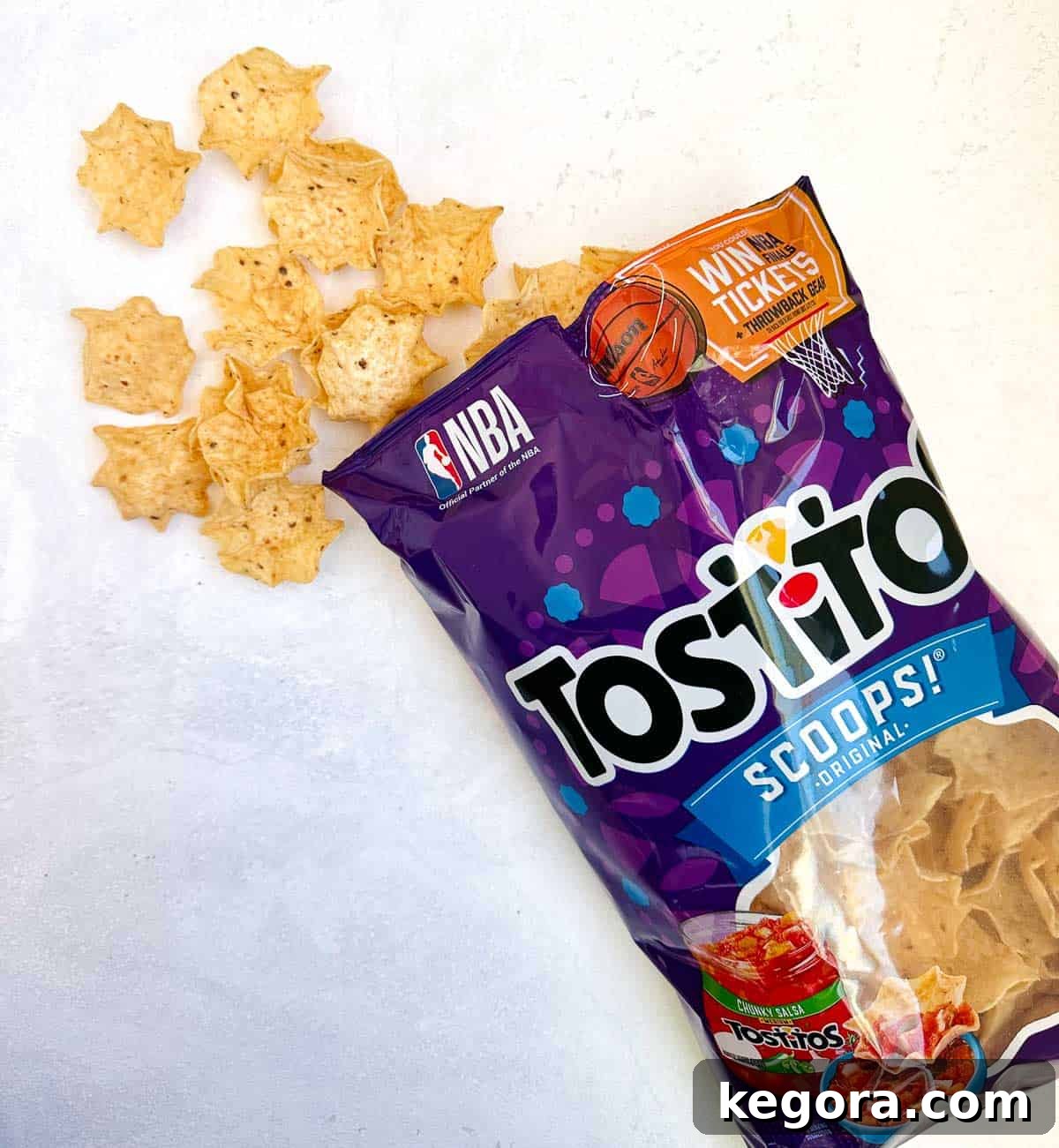
- Scoops!
- Simply Organic Blue Corn
- Simply Organic Yellow Corn
- Strips
- Thick & Hearty Rounds
Remember, Tostitos does offer a variety of flavors not on this list, so always exercise caution and read the labels at your local grocery store. Some Tostitos flavors, as seen with the Black Bean & Garlic, definitely contain gluten ingredients.
Making Your Own Gluten-Free Tortilla Chips at Home
For ultimate control over ingredients and to eliminate any cross-contamination concerns, making your own tortilla chips at home is a fantastic option. It’s surprisingly simple and yields incredibly fresh, delicious results. Plus, you can customize the seasoning to your heart’s content!
What You’ll Need:
- Gluten-Free Corn Tortillas: This is the most crucial ingredient. Always check the label to ensure they are made solely from corn, water, and lime (calcium hydroxide), and ideally, are certified gluten-free. Many major brands offer suitable corn tortillas.
- Oil: A neutral-flavored oil suitable for baking or frying, such as avocado oil, olive oil, or vegetable oil.
- Salt: Fine sea salt or kosher salt works best for even seasoning.
- Optional Seasonings: Chili powder, cumin, garlic powder, onion powder, or a squeeze of lime juice for extra flavor.
Simple Steps to Homemade Perfection:
- Preheat Oven & Prep Tortillas: Preheat your oven to 375°F (190°C). Stack about 6-8 corn tortillas and cut them into 6 or 8 wedges (triangles).
- Season: In a large bowl, lightly drizzle the tortilla wedges with oil and toss to coat evenly. Sprinkle with salt and any desired seasonings.
- Bake or Fry:
- Baking: Spread the seasoned wedges in a single layer on a large baking sheet. Bake for 10-15 minutes, flipping halfway through, until golden brown and crispy. Keep an eye on them to prevent burning.
- Air Frying: If you have a dedicated gluten-free air fryer, place a single layer of chips in the basket and air fry at 350°F (175°C) for 5-8 minutes, shaking the basket halfway, until crispy.
- Deep Frying: Heat about 1-2 inches of oil in a heavy-bottomed pot to 350-375°F (175-190°C). Fry a small batch of chips at a time for 2-3 minutes, or until golden and crisp. Remove with a slotted spoon and place on a paper-towel-lined plate to drain, then immediately sprinkle with salt.
- Serve: Let them cool slightly, as they’ll crisp up even more. Enjoy immediately with your favorite gluten-free dips!
Making your own chips ensures you have complete control over every ingredient and every step of the process, guaranteeing a truly gluten-free and delicious snack experience.
Beyond Tortilla Chips: Other Gluten-Free Snack Options
While tortilla chips are a fantastic gluten-free staple, the world of safe snacking extends far beyond. Many other popular chip varieties and snack foods can also be enjoyed on a gluten-free diet, provided you know what to look for on their labels. Exploring these options can add variety and excitement to your gluten-free routine.
- Potato Chips: Classic potato chips are often naturally gluten-free, made from potatoes, oil, and salt. However, flavored varieties might contain gluten in their seasoning blends. Always check labels for products like Pringles or other flavored potato chips. You can find more details on which brands are safe in our guide on Are Potato Chips Gluten-Free?.
- Corn-Based Snacks: Many other corn-based snacks, like Fritos and Cheetos, are frequently gluten-free, but always verify the specific flavor and product. Similarly, while many Doritos flavors are gluten-free, some are not, making label reading essential.
- Popcorn: Plain popcorn is a naturally gluten-free whole grain snack. Enjoy it air-popped or prepared with safe oils and seasonings. Learn more in our article Is Popcorn Gluten-Free?.
- Rice and Oat-Based Snacks: Snacks made from brown rice or gluten-free oats can also be excellent choices. Our articles on Is Brown Rice Gluten-Free? and Are Oats Gluten-Free? provide detailed information.
- Other Grains and Pulses: Explore snacks made from other naturally gluten-free ingredients like grits or chickpea flour. Even some candies, like Takis and Swedish Fish, can be surprisingly gluten-free, but always check their specific ingredients.
For a broader perspective on gluten-free foods, you might find information on products like Corn Flakes or even beverages like Corona beer interesting, as gluten content can appear in unexpected places.
Frequently Asked Questions (FAQs)
Yes, most regular tortilla chips are naturally gluten-free! They are traditionally made from a simple blend of ground corn (masa), vegetable oil, and salt, all of which are free from gluten. This makes them a safe and delicious snack for many on a gluten-free diet. However, it is crucial to always check product labels for allergen warnings or additional ingredients. Some flavored varieties may contain gluten-based additives, or they might be processed on shared equipment, risking cross-contamination. When dining out, always inquire with restaurant staff about preparation methods and whether chips are cooked in a dedicated gluten-free fryer to avoid any cross-contamination risks.
Many Tostitos tortilla chip varieties are indeed gluten-free, including their Original Restaurant Style, Scoops!, and Bite Size Rounds. Frito-Lay, the manufacturer of Tostitos, provides a comprehensive list of their gluten-free products on their website. However, not all Tostitos flavors are gluten-free. For instance, Tostitos Black Bean & Garlic chips contain wheat, triticale, rye, and barley, making them unsafe for a gluten-free diet. Therefore, it is imperative to always check the ingredient label of any Tostitos product you purchase. If you have celiac disease or a non-celiac gluten intolerance, only consume Tostitos chips that explicitly do not list wheat, barley, rye, or triticale in their ingredient statements.
No, the tortilla chips served at Chili’s are not considered gluten-free for individuals on a strict gluten-free diet. According to the Chili’s website and their allergen information, their Tostada Chips are “cooked on a surface with other gluten-containing foods OR in shared fryers—exposing ingredient to gluten cross-contact.” This significant risk of cross-contamination from shared fryers or preparation surfaces means that Chili’s tortilla chips are not safe for people with celiac disease, wheat allergies, or non-celiac gluten sensitivities. If you require strictly gluten-free food, you should avoid the tortilla chips at Chili’s and any other restaurant that utilizes shared fryers or equipment for both gluten-containing and naturally gluten-free items.
Yes, Mission corn products, including many of their tortilla chips, are certified gluten-free. As explicitly stated on the Mission Foods FAQ page, their corn products meet the FDA requirement of less than 20 ppm of gluten. Mission takes extra precautions to ensure the safety of their gluten-free consumers by producing their corn products on separate manufacturing lines from their wheat-based products. This dedication significantly reduces the risk of cross-contamination, making Mission tortilla chips a reliable and safe choice for those following a gluten-free diet.
Yes, according to the Chipotle allergen information, their tortilla chips are listed as gluten-free. Chipotle’s commitment to ingredient transparency helps customers make informed choices. When ordering at Chipotle and adhering to a gluten-free diet, it’s always recommended to inform the staff of your dietary needs. Politely ask the person preparing your order to change their gloves before handling your food, as they also work with flour tortillas which contain gluten. This simple request can significantly reduce the potential for cross-contamination. For a complete guide on safe dining at Chipotle, including other gluten-free options, refer to our full post on Chipotle Gluten-Free Options!
The Bottom Line
The good news for gluten-free snack lovers is that tortilla chips are, for the most part, a wonderfully safe and satisfying option! Their simple, corn-based ingredients make classic varieties naturally free from gluten. When purchasing tortilla chips from the grocery store, a quick check of the packaging for a “gluten-free” label or certification symbol offers the best assurance that you’re making a safe choice. These certifications confirm that the product meets strict standards for gluten content, often ensuring dedicated production lines and minimal risk of cross-contamination. Serve them with delicious artichoke dip, BBQ nachos, or your favorite salsa for a truly enjoyable appetizer or snack!
However, when it comes to restaurant-made tortilla chips, a cautious approach is always best. It’s imperative to ask about their preparation methods. The primary concern is whether the chips are cooked in a shared fryer that also handles gluten-containing items. If so, there’s a high likelihood of cross-contamination, making them unsuitable for those with celiac disease or significant gluten sensitivities. Some establishments, fortunately, do utilize separate, dedicated fryers for gluten-free foods, in which case their tortilla chips should be safe to enjoy on a gluten-free diet. Always prioritize clear communication with restaurant staff to ensure your snacking experience is both delicious and safe.