
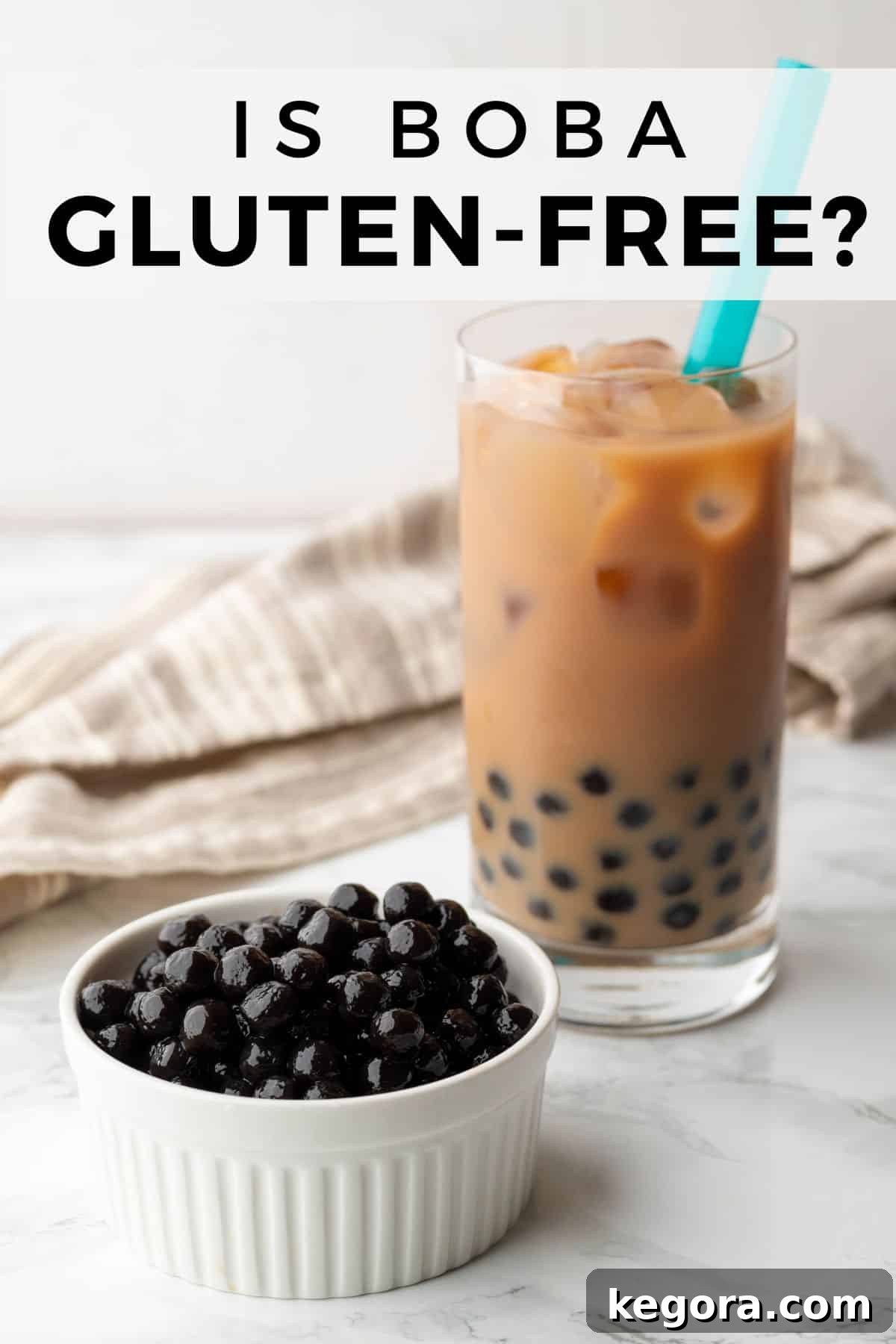
From the bustling night markets of Taiwan to vibrant cafes across the globe, boba tea has captivated millions with its unique blend of flavors and irresistible textures. This beloved beverage, also known as bubble tea or pearl milk tea, has become a worldwide phenomenon. But for those navigating a gluten-free lifestyle, a critical question often arises: Is this international favorite truly gluten-free? Let’s delve deep into the ingredients and preparation methods of boba tea to provide you with a comprehensive and clear answer.
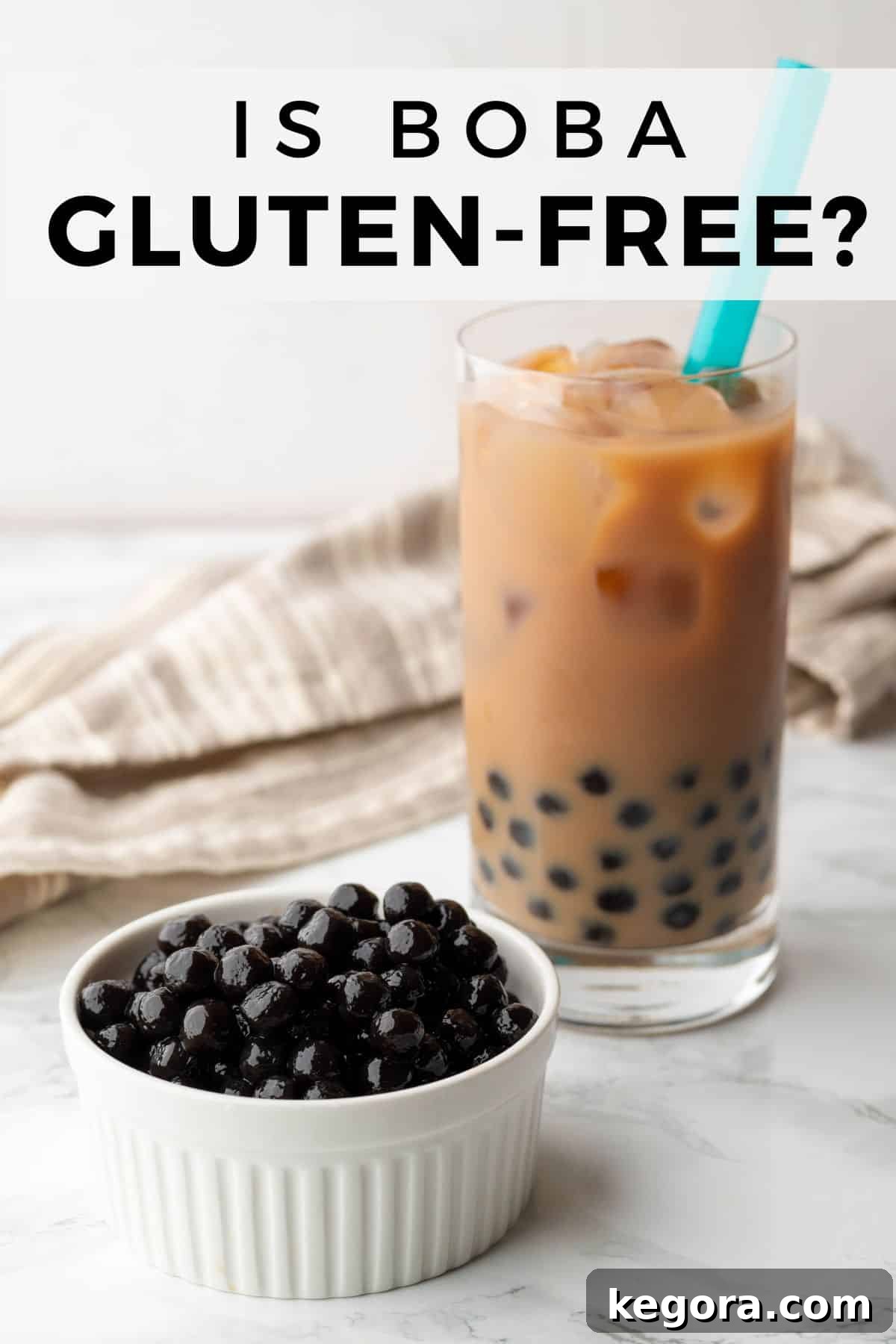
Whether you’re drawn to boba for the satisfying chew of its pearls, its Instagram-worthy aesthetic, or the sheer joy of slurping it up with an extra-wide straw, understanding its dietary components is key. If you adhere to a gluten-free diet, whether due to celiac disease, gluten sensitivity, or personal preference, knowing the facts about boba is essential for enjoying this delightful treat worry-free.
THE SIMPLE ANSWER: YES!
Yes, boba tea is generally gluten-free! The primary components – the tea base, milk or fruit flavorings, and the iconic boba pearls – are typically made from naturally gluten-free ingredients. Both traditional tapioca pearls and the increasingly popular popping boba pearls are considered safe for individuals following a gluten-free diet.
Is Boba Tea Gluten-Free? A Detailed Look
For those requiring a strict gluten-free diet, the good news is that plain boba tea, often referred to as bubble tea, pearl milk tea, or tapioca milk tea, is inherently gluten-free. This assurance comes from reliable sources like the National Celiac Association, which confirms its safety.
The foundation of any boba drink consists of several simple, naturally gluten-free elements:
- Tea Base: This can be black tea, green tea, oolong tea, or even various fruit teas, all of which are naturally free from gluten.
- Milk or Fruit Flavorings: These provide the creamy or fruity essence. While dairy milk is a common choice, many establishments offer non-dairy alternatives like almond milk, oat milk, or soy milk, all of which are gluten-free, though cross-contamination with oat milk should be considered if not certified GF. Fruit purees and flavored syrups are also typically gluten-free.
- Boba Pearls: These are the star of the show and, crucially, are also gluten-free.
Understanding Tapioca Pearls
Traditional boba pearls, those delightful chewy spheres that sink to the bottom of your cup, are primarily made from tapioca starch, brown sugar, and water. Tapioca starch, also known as cassava root starch or yuca starch, is extracted from the roots of the cassava plant, a shrub native to South America. It is a naturally gluten-free ingredient widely used in gluten-free baking and various ethnic cuisines for its binding and thickening properties.
The brown sugar gives these pearls their characteristic dark color and adds to their sweet, molasses-like flavor. The preparation process involves cooking these simple ingredients until the tapioca starch forms chewy, gelatinous balls. These pearls are then often steeped in a sugar syrup to enhance their sweetness and prevent them from sticking together.
Exploring Popping Boba and Jellies
Beyond traditional tapioca pearls, many boba shops offer other popular gluten-free toppings:
- Popping Boba: These small, fruit-juice-filled spheres burst with flavor when bitten. Their construction is a bit more complex than tapioca pearls but remains gluten-free. For instance, Strawberry Popping Pearls by Tea Zone often contain ingredients like water, fructose, starch acetate, calcium lactate, citric acid, sodium alginate, xanthan gum, strawberry flavor, calcium chloride, potassium sorbate, sodium erythorbate, sucralose, FD&C red no. 40, and CMC (cellulose gum). All these are generally considered safe for a gluten-free diet.
- Jellies: Often made from coconut meat (nata de coco) or other fruit-based ingredients, these chewy, jelly-like strips or cubes are flavored, sweetened, and sometimes colored. They provide a different textural experience and are also typically gluten-free.
With the core ingredients confirmed as gluten-free, boba tea stands as a viable option for many adhering to this diet. However, understanding potential risks, particularly concerning cross-contamination, is paramount for individuals with strict dietary needs like celiac disease.
For more insights into gluten-free living, you might find these articles helpful: gluten-free hot chocolate, is coffee gluten-free, is bourbon gluten-free, is oat milk gluten-free, is corona gluten-free and are marshmallows gluten-free. Additionally, explore our guides on gluten-free options at popular eateries: Starbucks gluten-free, Panera gluten-free, Wendy’s gluten-free, Chipotle gluten-free, Jersey Mike’s gluten-free and Chick Fil-A gluten-free.
What Exactly is Boba Tea? A Cultural Phenomenon
The term “Boba” is often used interchangeably to refer to both the “Bubble Tea” beverage itself and the chewy pearls that define it. This iconic drink originated in Taiwan during the 1980s, quickly gaining popularity locally before making its way to the United States in the 1990s. Its true global explosion occurred in the 21st century, transforming it into a widely adored beverage across continents. Today, colorful boba shops are ubiquitous, offering an astounding array of flavor combinations, tea bases, and toppings to cater to every palate.
Boba tea is more than just a drink; it’s an experience. Typically served in a clear cup, allowing you to admire the vibrant colors and the pearls settled at the bottom, boba is as visually appealing as it is delicious. It’s always served with an extra-wide straw, specifically designed for sucking up the delightful pearls along with the tea. The act of pausing to chew the pearls is an integral part of the fun, making boba a unique blend of a beverage and a treat.
While often enjoyed cold with milk or fruit flavorings, boba tea is highly customizable. Customers typically choose their preferred tea base (such as robust black tea, refreshing green tea, or aromatic oolong tea), select a milk or fruit additive for sweetness and creaminess, and finally, pick their desired toppings. Common toppings include the aforementioned tapioca pearls, popping boba pearls, and various fruit jellies. Although called “toppings,” these pearls and jellies usually settle at the bottom of the cup, adding an element of surprise to each sip.
It’s worth noting that while boba tea often starts with a healthy tea base, the addition of significant amounts of sugar, milk, and sweet toppings usually transforms the final product into more of a decadent dessert drink. Many shops allow customers to adjust sugar levels, providing an option for those seeking a less sweet alternative.
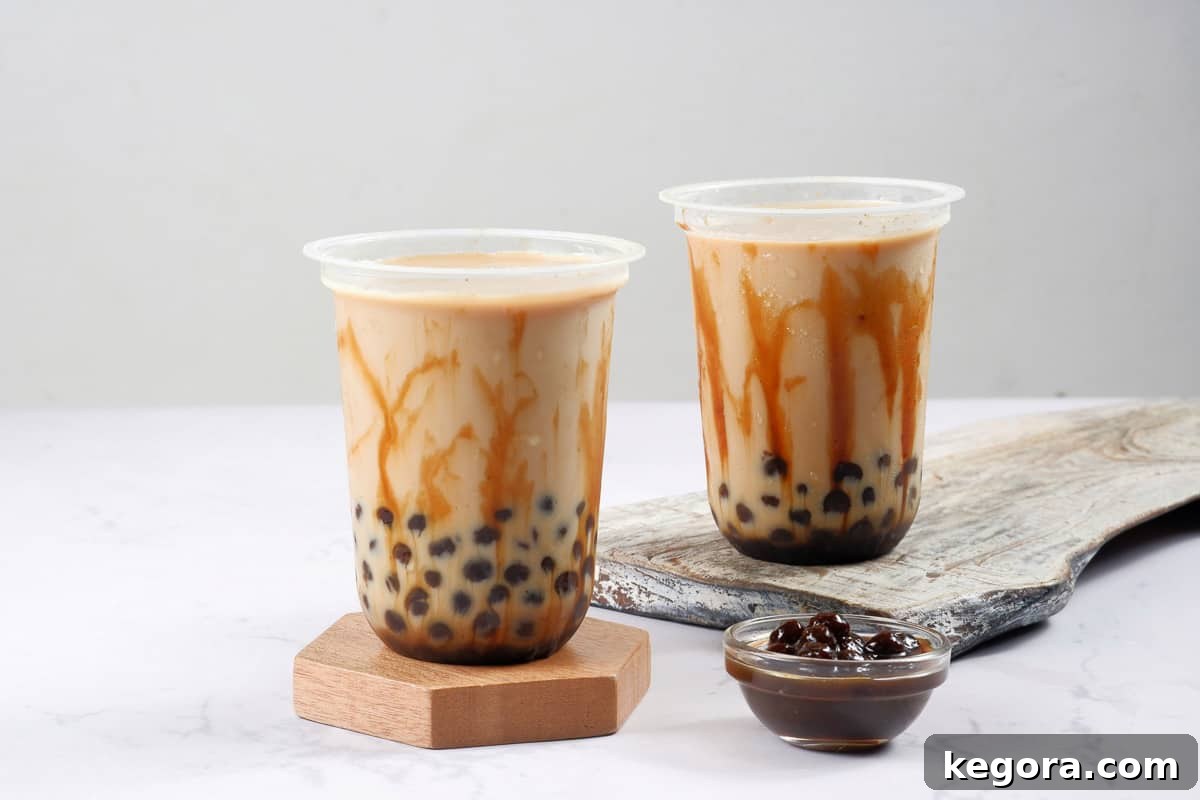
Are Tapioca Pearls Always Gluten-Free? Navigating Labels and Cross-Contamination
As established, tapioca starch is derived from the cassava root and is naturally gluten-free. This characteristic makes it a valuable ingredient in many gluten-free recipes, where it helps to mimic the gummy texture often associated with gluten, providing structure and chewiness. Therefore, tapioca pearls themselves should inherently be gluten-free.
However, when dealing with packaged tapioca pearls for home use or when questioning ingredients at a boba shop, it is always wise to exercise caution and check labels. Some brands of tapioca pearls may carry a “certified gluten-free” label. This certification signifies that the product meets stringent requirements, typically containing less than 20 parts per million (ppm) of gluten, which is the standard set by the FDA for gluten-free claims. For individuals with celiac disease, certified gluten-free products offer the highest level of assurance.
Other brands might not be certified but list only tapioca starch and other gluten-free ingredients on their packaging. While these products are likely gluten-free, there’s a potential risk of cross-contact during manufacturing. This means that while no gluten-containing ingredients are intentionally added, the product may have been processed on shared equipment with items containing wheat, barley, rye, or other gluten sources.
A classic example is Small Pearl Tapioca from Bob’s Red Mill. The ingredient list clearly states only “tapioca starch.” Yet, their website’s FAQ section explicitly mentions, “Our Small Pearl Tapioca is naturally gluten-free, but it is handled in a facility that also processes almonds, walnuts, soy, wheat, corn, oats, coconut, sesame seeds, egg, and milk ingredients on shared lines. Despite thorough and stringent cleaning processes, there is a possibility for cross-contact.” This transparency highlights why checking for certification or directly inquiring about manufacturing practices is crucial for those with severe gluten allergies or celiac disease.
To ensure complete safety, especially for celiac sufferers, it is best to opt for certified gluten-free tapioca pearls. When ordering at a tea shop, don’t hesitate to ask about the specific brands of pearls they use and their cross-contamination protocols. Being informed and proactive is your best defense against accidental gluten exposure.
You might also be interested in our guides on gluten-free alcohol and gluten-free beer.
Is Boba Tea Safe for Celiacs? Mitigating Cross-Contamination Risks
For individuals with celiac disease or severe gluten sensitivities, the question of boba tea safety extends beyond just the ingredients list to the preparation environment. While boba tea is made from inherently gluten-free ingredients—tea, milk, fruit flavoring, and gluten-free toppings—the risk of cross-contamination in restaurants or tea shops is a primary concern.
If you have celiac disease, it is absolutely vital to communicate your strict dietary needs when ordering boba. Clearly state that you need a gluten-free option and ask about their procedures to prevent cross-contamination. Here are some specific points to consider and questions to ask:
- Shared Equipment: Are scoops, blenders, or other utensils used for both gluten-containing and gluten-free ingredients without thorough cleaning in between?
- Ingredient Storage: Are gluten-free ingredients stored separately from gluten-containing ones to prevent airborne cross-contamination (e.g., flour dust)?
- Powdered Ingredients: Some boba shops use powdered flavoring mixes for milk teas or fruit teas. While most are gluten-free, a few might contain gluten or be processed on shared lines. Inquire about the specific brands and their allergen statements.
- Employee Practices: Do employees change gloves after handling gluten-containing items? Are separate surfaces used for preparing gluten-free drinks?
- Non-Traditional Toppings: While rare, some exotic or seasonal toppings might contain gluten (e.g., certain cookie crumbs or dessert components). Always confirm the ingredients of any unusual topping.
Many boba shops are becoming more aware of allergen concerns, but it’s always better to be proactive. If a shop seems uncertain or unable to guarantee minimal cross-contamination, it might be safer to choose another establishment or prepare your boba at home using certified gluten-free ingredients. Your health and safety are paramount.
Frequently Asked Questions About Gluten-Free Boba
Boba tea does not contain wheat flour or any other wheat products. It is composed of a tea base (such as green tea, black tea, or oolong tea), milk or fruit flavoring, and various toppings. The traditional topping, tapioca pearls, are made primarily from tapioca starch (also known as tapioca flour), brown sugar, and water. If you opt for jellies or popping boba pearls, they are also made from ingredients that do not include gluten-containing flours, making boba a safe choice.
Yes, boba tea is fundamentally gluten-free! It is crafted from ingredients that naturally exclude gluten grains such as wheat, barley, rye, or triticale. The beverage typically comprises a tea base (often black, green, or oolong), a choice of milk (dairy or non-dairy), and toppings like chewy tapioca pearls, vibrant popping boba, or sweet jellies. All these core ingredients should be gluten-free, provided they have not been cross-contaminated during their manufacturing, packaging, or the preparation process at the boba shop.
Boba is inherently gluten-free, thanks to its naturally gluten-free ingredients. However, to ensure your boba is also dairy-free, you need to specify your preference when ordering. Boba can be prepared with either traditional dairy milk or a variety of non-dairy alternatives. When placing your order, make sure to either request no milk or choose a non-dairy option such as soy milk, oat milk, almond milk, or coconut milk, which are commonly available at most boba establishments.
Absolutely, tapioca boba pearls are gluten-free! These delightful, chewy balls are traditionally crafted from just a few simple ingredients: tapioca starch (derived from the cassava plant root), brown sugar for color and sweetness, and water. If you are adhering to a gluten-free diet, you can confidently enjoy boba tea featuring these traditional tapioca pearls as a sweet and satisfying treat.
No, boba pearls do not contain gluten. Whether you prefer the classic chewy tapioca pearls or the bursting fruit-flavored popping boba pearls, both varieties are gluten-free. They are made without any gluten-containing ingredients, making them safe for individuals with celiac disease, gluten intolerance, gluten sensitivities, or a wheat allergy to enjoy without concern.
Most syrups and sweeteners used in boba tea, such as fruit syrups, fructose, or brown sugar syrup, are typically gluten-free. However, it’s always a good practice to inquire at your boba shop, especially if they use specialized or house-made syrups, as there’s a slight chance of cross-contamination or hidden gluten in less common flavorings. Generally, standard boba tea sweeteners are safe.
The Bottom Line on Gluten-Free Boba Tea
To summarize, boba and boba tea are overwhelmingly gluten-free. This popular beverage, known by many names including bubble milk tea, pearl milk tea, and bubble tea, is created by combining a gluten-free tea base (typically black, green, or oolong), with a choice of fresh milk (dairy or a dairy-free alternative) or fruit flavoring, and signature toppings.
The core ingredients are naturally free from gluten: tea leaves themselves are gluten-free, and so is milk. The delightful toppings offered also consist of gluten-free components. Traditional tapioca pearls are simply a blend of tapioca starch, brown sugar, and water. Popping boba is crafted from sweetened fruit juice encased in a gel-like outer layer, and jellies are predominantly made from coconut. All these primary ingredients are normally free from gluten, making boba tea a safe and enjoyable option for most individuals following a gluten-free diet.
However, for those with celiac disease or severe gluten sensitivities, vigilance is key. Always remember to ask about specific ingredients and potential cross-contamination risks when ordering from a boba tea establishment. By being informed and communicative, you can confidently savor the unique flavors and textures of this global sensation.