
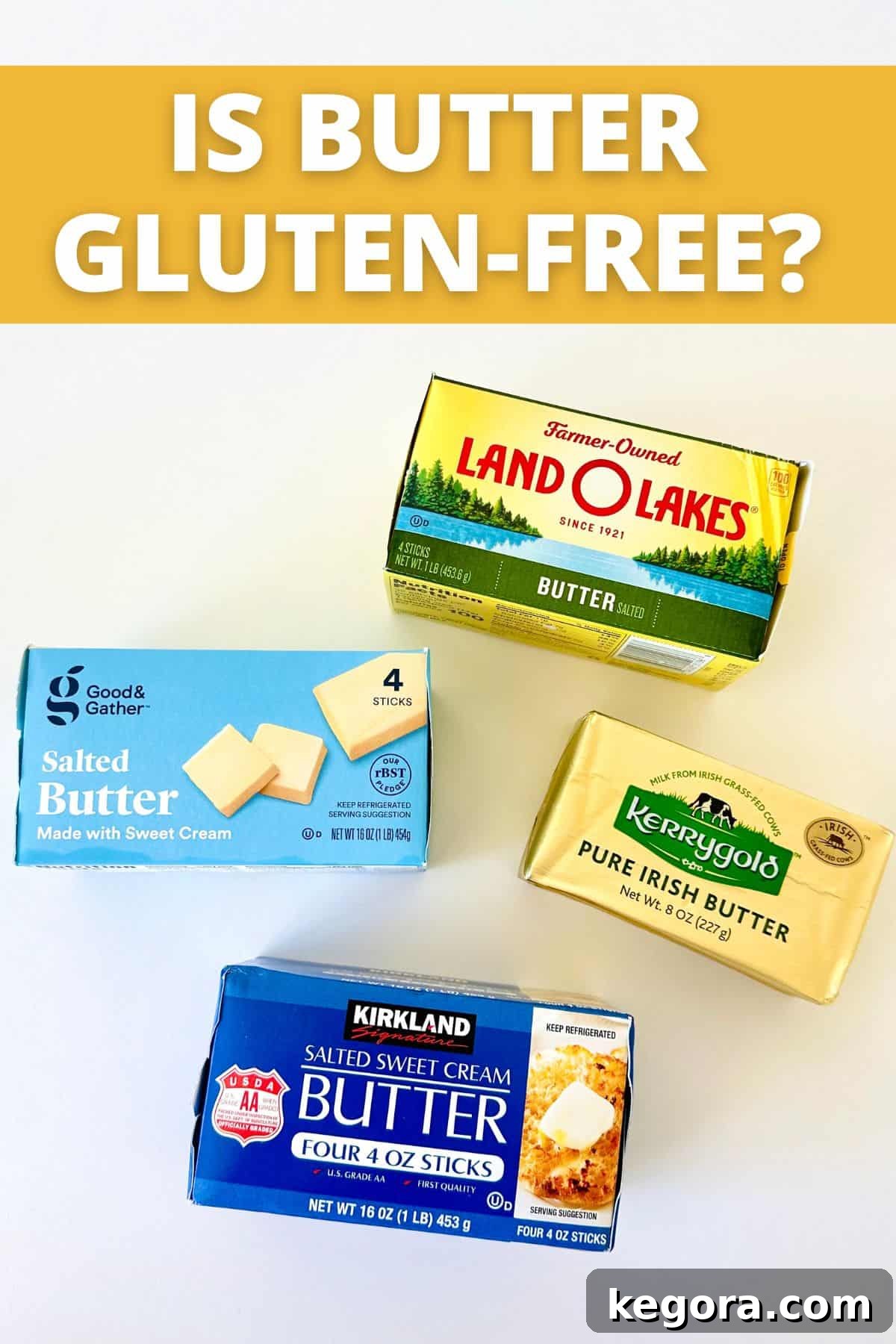
Butter, with its rich, creamy texture and unparalleled flavor, is a staple in kitchens worldwide. From enhancing the simplest toast to enriching complex culinary creations, its presence is almost indispensable. If you’re navigating a gluten-free lifestyle, whether due to celiac disease, non-celiac gluten sensitivity, or simply a dietary preference, a common question often arises: “Is butter gluten-free?” The good news is, for the most part, the answer is a resounding yes! However, understanding the nuances of butter products and potential hidden gluten sources is key to confidently incorporating this beloved dairy product into your gluten-free diet.
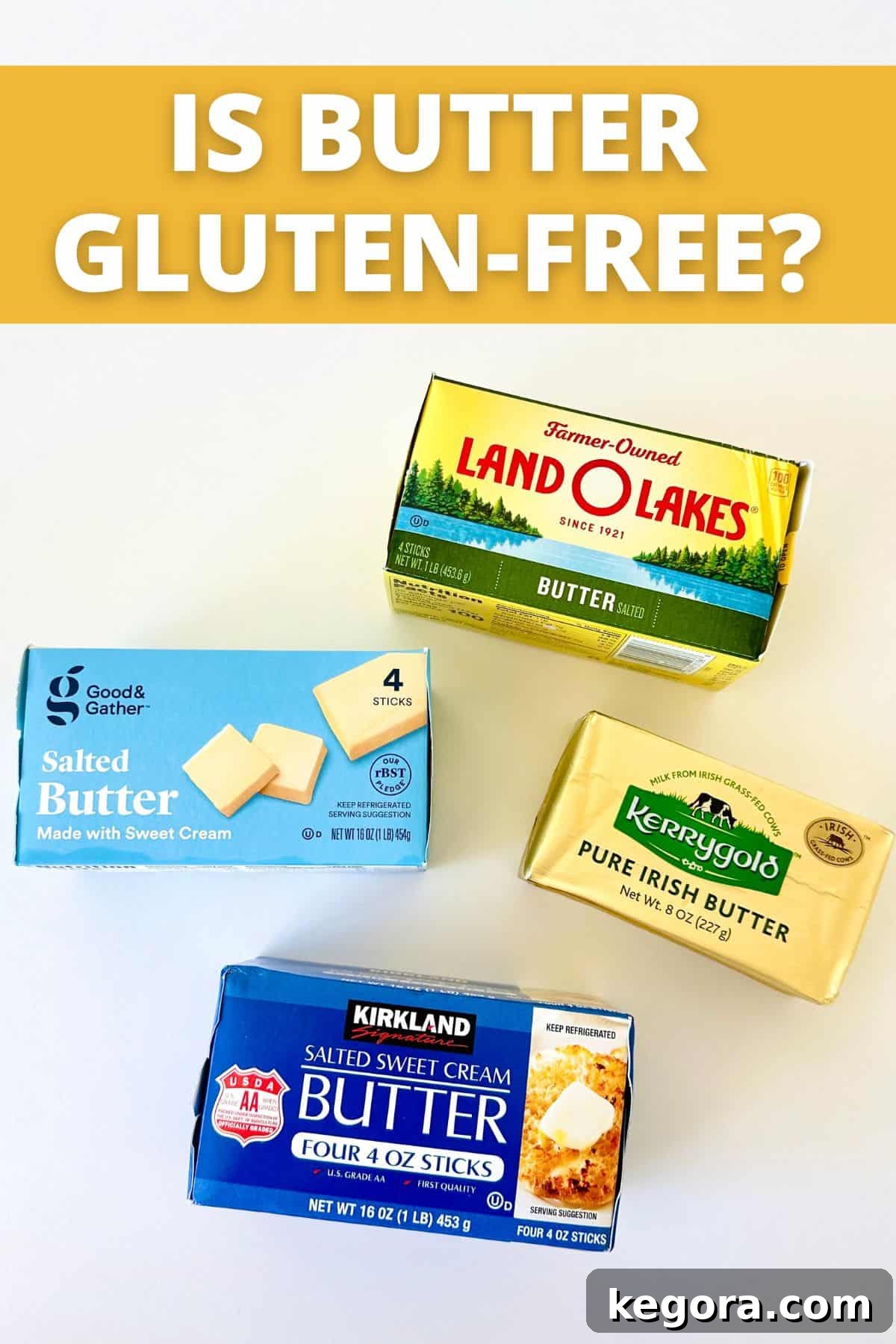
SHORT ANSWER: Is Butter Gluten-Free?
Yes! Pure butter is inherently gluten-free. It is made solely from churned milk and cream, which are naturally free from gluten-containing grains. While some butter products might contain additional ingredients, these are almost always gluten-free. Nevertheless, always checking the ingredients list is a prudent practice for anyone strictly adhering to a gluten-free diet.
The Definitive Answer: Is Butter Gluten-Free?
Absolutely, plain, unsalted, and salted butter are naturally gluten-free. The fundamental components of butter are milk and cream, both of which are dairy products and do not contain gluten. Standard butter manufacturing involves churning cream until the milk fats separate from the buttermilk, forming a solid. During this process, salt and natural colorings (like annatto or beta-carotene) might be added, none of which contain gluten.
For individuals with celiac disease or gluten sensitivity, plain butter is generally considered a safe food choice. You can enjoy it with confidence in your cooking, baking, or simply spread on gluten-free bread. The risk of encountering gluten in traditional butter is exceptionally low, making it a reliable ingredient for those managing gluten intolerance. Even butter products with additional flavorings or ingredients rarely contain gluten, though vigilance with food labels is always recommended.
Beyond butter, many other common food items are naturally gluten-free. You might find these articles helpful if you’re exploring other gluten-free staples: Is Popcorn Gluten-Free, Does Mayo Have Dairy, Is Peanut Butter Gluten-Free, and Is Nutella Gluten-Free?
What Is Butter and How Is It Made?
To fully appreciate butter’s gluten-free status, it helps to understand its origins and production. Butter is a dairy product, predominantly made from cow’s milk, although varieties from goats, sheep, yaks, or buffalo also exist. The magic happens when milk or, more commonly, cream, is churned. This mechanical process agitates the milk fat globules, causing them to clump together and separate from the liquid buttermilk.
The result is a semi-solid emulsion of water and milk fat, stabilized by natural milk proteins. This unique composition gives butter its characteristic texture – solid when cold, spreadable at room temperature, and readily melting with heat. Butter typically melts between 90-95 degrees Fahrenheit (32-35 degrees Celsius), explaining why it can turn into a liquid puddle on a warm day.
The U.S. Food and Drug Administration (FDA), in 1906, officially defined butter as “a food product… made exclusively from milk or cream, or both, with or without common salt, and with or without additional coloring.” To be labeled simply as “butter,” a product must contain at least 80% milkfat. Any variations in ingredients or fat content typically lead to alternative labels such as “buttery spread” or “dairy blend.” This stringent definition ensures that traditional butter remains a pure, unadulterated product, inherently free from gluten.
Types of Butter and Butter Substitutes: Are They All Gluten-Free?
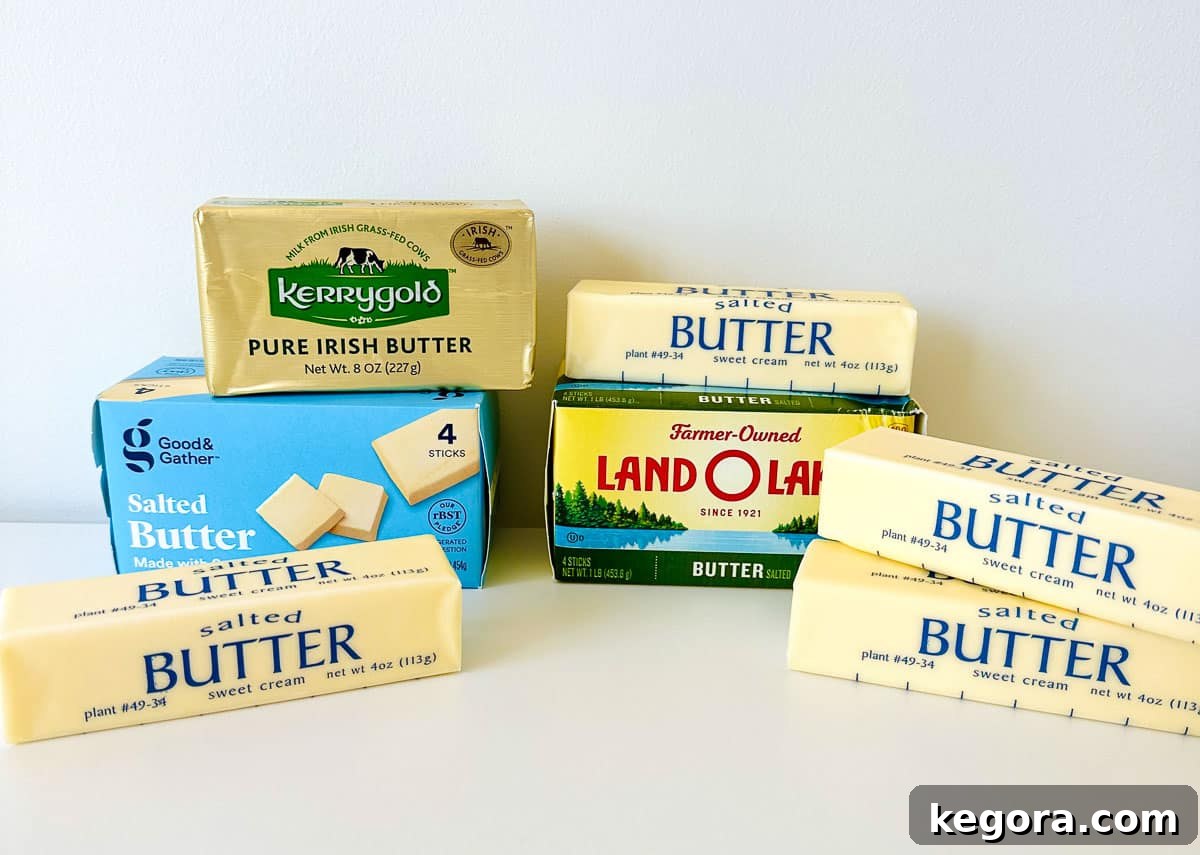
While pure butter is unequivocally gluten-free, the market offers a range of butter-like products. It’s important to differentiate and understand their gluten status:
- Plain Butter (Salted/Unsalted): As discussed, these are 100% gluten-free, made from milk/cream, and sometimes salt and natural coloring.
- Cultured Butter: Made with fermented cream, which gives it a tangier flavor. The fermentation process does not introduce gluten, so it remains gluten-free.
- Clarified Butter/Ghee: Butter that has been slowly melted to separate milk solids and water from the pure butterfat. Both clarified butter and ghee are gluten-free and often dairy-free as well, as the milk proteins are removed.
- Flavored Butters: Some brands offer butters infused with herbs, spices, or other flavorings (e.g., garlic butter, honey butter). While most additives are gluten-free, it’s crucial to check the ingredient list for any potential gluten-containing flavorings or binders, although this is very rare in butter products.
- Butter Substitutes/Spreads: Products like Earth Balance, Smart Balance, and I Can’t Believe It’s Not Butter! are designed to mimic butter but are often plant-based or have a lower fat content. These are typically gluten-free, and many are also dairy-free. For example, Earth Balance buttery spreads are often made from a blend of vegetable oils, water, salt, pea protein, natural flavor, sunflower lecithin, lactic acid, and annatto extract. They are usually formulated to be free from major allergens, including gluten. Always check the specific product’s label for confirmation, especially if you have severe allergies or sensitivities.
For individuals seeking absolute certainty, look for products that are “FDA certified gluten-free.” This certification means the product has been tested and confirmed to contain less than 20 parts per million (ppm) of gluten, which is the universally accepted standard for gluten-free labeling. Certification also provides assurance against cross-contamination during manufacturing.
For more insights into gluten-free ingredients and products, you may wish to explore these articles:
- Is Velveeta Gluten-Free?
- Is Oat Milk Gluten-Free?
- Is Soy Sauce Gluten-Free?
- Is Yeast Gluten-Free?
- Is Baking Powder Gluten-Free?
- Is Brown Rice Gluten-Free?
Cross-Contamination Awareness
Even naturally gluten-free foods like butter can become contaminated if they come into contact with gluten-containing items. In shared kitchens, being mindful of cross-contamination is paramount for maintaining a strict gluten-free diet.
A Note About Cross-Contamination
While butter itself is gluten-free, the most common threat to its gluten-free status comes from cross-contamination in the kitchen, particularly in shared households. This often occurs when a knife used to spread butter on gluten-containing toast or bread is then dipped back into the butter tub, transferring gluten crumbs. This seemingly small act can be a significant concern for individuals with celiac disease or severe gluten sensitivity.
The solution is simple but requires conscious effort: designate a separate, clearly labeled “gluten-free” butter container for individuals who need to avoid gluten. Encourage family members or housemates who consume gluten to use their own butter or, at the very least, a separate knife that is solely for gluten-containing items. This practice extends to other spreadable condiments like peanut butter, almond butter, jellies, and jams, all of which face the same risk of cross-contact with gluten crumbs. By maintaining separate containers and utensils, you can ensure that your gluten-free butter remains pure and safe for consumption.
Is Movie Theater Butter Gluten-Free?
The allure of golden, salty popcorn drenched in “butter” is a quintessential part of the movie-going experience. But for those on a gluten-free diet, is this cinematic treat safe? The “butter” sauce at movie theaters is generally not real dairy butter. It’s typically an oil-based topping designed to mimic butter flavor and appearance.
Movie theater popcorn itself is usually popped in canola oil and seasoned with Flavacol, a fine salt seasoning that gives it that distinct yellow color and savory taste. Flavacol typically consists of:
- Salt (extra fine to adhere well to popcorn)
- Artificial Flavor (for the buttery profile)
- FD&C Yellow #5 Lake (E102)
- FD&C Yellow #6 Lake (E110)
These ingredients, while artificial, are generally gluten-free. Most major cinema chains, like AMC Theatres, state that their plain popcorn (before any butter sauce) does not contain gluten. However, the risk of cross-contamination at concession stands is higher. Many concession items, such as hot dogs in buns, pretzels, or candies, do contain gluten. It’s wise to inform the concession worker of your dietary needs and request they change gloves and use clean scoops to minimize risk.
The liquid “butter” topping often poured over popcorn is usually a blend of soybean oil or coconut oil, artificial flavors, and colorings. For instance, Snappy Butter Burst Popcorn Oil lists ingredients such as:
- Soybean oil
- Artificial flavor
- TBHQ (a chemical food antioxidant/preservative)
- Citric acid
- Beta carotene (for color)
While not a health food, these ingredients are typically gluten-free. So, while movie theater popcorn and its “butter” sauce are generally gluten-free by ingredients, the risk of cross-contamination from shared utensils or preparation areas means you should still exercise caution or inquire with staff if you have strict gluten sensitivities.
FAQs
The I Can’t Believe It’s Not Butter! website confirms that their spreads, sprays, and sticks are all naturally gluten-free. The Original spread, for example, typically contains purified water, soybean oil, palm and palm kernel oil, salt, lecithin (soy), natural flavor, vinegar, vitamin A palmitate, and beta carotene. Many of their products are also vegan and Kosher certified, offering versatile options for various dietary needs.
Miyoko’s vegan butter, often labeled as a cashew and coconut oil spread, is indeed gluten-free. Miyoko’s products are 100% plant-based, making them not only gluten-free but also lactose-free and suitable for those avoiding dairy or following a vegan diet. They are a safe and delicious option for individuals with celiac disease or gluten intolerance.
Yes, Land O’Lakes stick butter and butter spreads, like the vast majority of traditional butter brands, are gluten-free. As always, the main concern in a shared kitchen is preventing cross-contamination from utensils that have touched gluten-containing foods.
Kerrygold Pure Irish Butter (both salted and unsalted varieties) is naturally gluten-free. Its primary ingredients are pasteurized cream, skimmed milk, and cultures, all of which are free from gluten. Kerrygold butter is a safe choice for those on a gluten-free diet.
Yes, both regular butter and eggs are naturally gluten-free foods derived from animals. When preparing them, ensure you use clean pans and utensils that have not come into contact with any gluten-containing ingredients. By doing so, you can guarantee a delicious and entirely gluten-free meal.
The Bottom Line: Enjoying Butter on a Gluten-Free Diet
For individuals following a gluten-free diet, butter remains a wonderfully safe and delicious food choice. Pure butter, made from milk and cream, is naturally free from gluten. Even flavored butters and most butter substitutes are typically gluten-free, thanks to their ingredient profiles.
To ensure complete peace of mind, especially for those with severe gluten sensitivities or celiac disease, always prioritize checking ingredient labels. Looking for products that are FDA certified gluten-free offers the highest level of assurance, confirming that the product meets strict standards of less than 20 ppm of gluten and has been protected from cross-contamination throughout its manufacturing and packaging journey.
In shared household kitchens, vigilance against cross-contamination is paramount. Simple steps like dedicating a separate, clearly labeled butter container for gluten-free use can effectively prevent gluten crumbs from contaminating your butter. By understanding what butter is, how it’s made, and how to safely handle it in a gluten-aware environment, you can continue to enjoy the rich, satisfying flavor of butter in all your culinary endeavors without worry.