
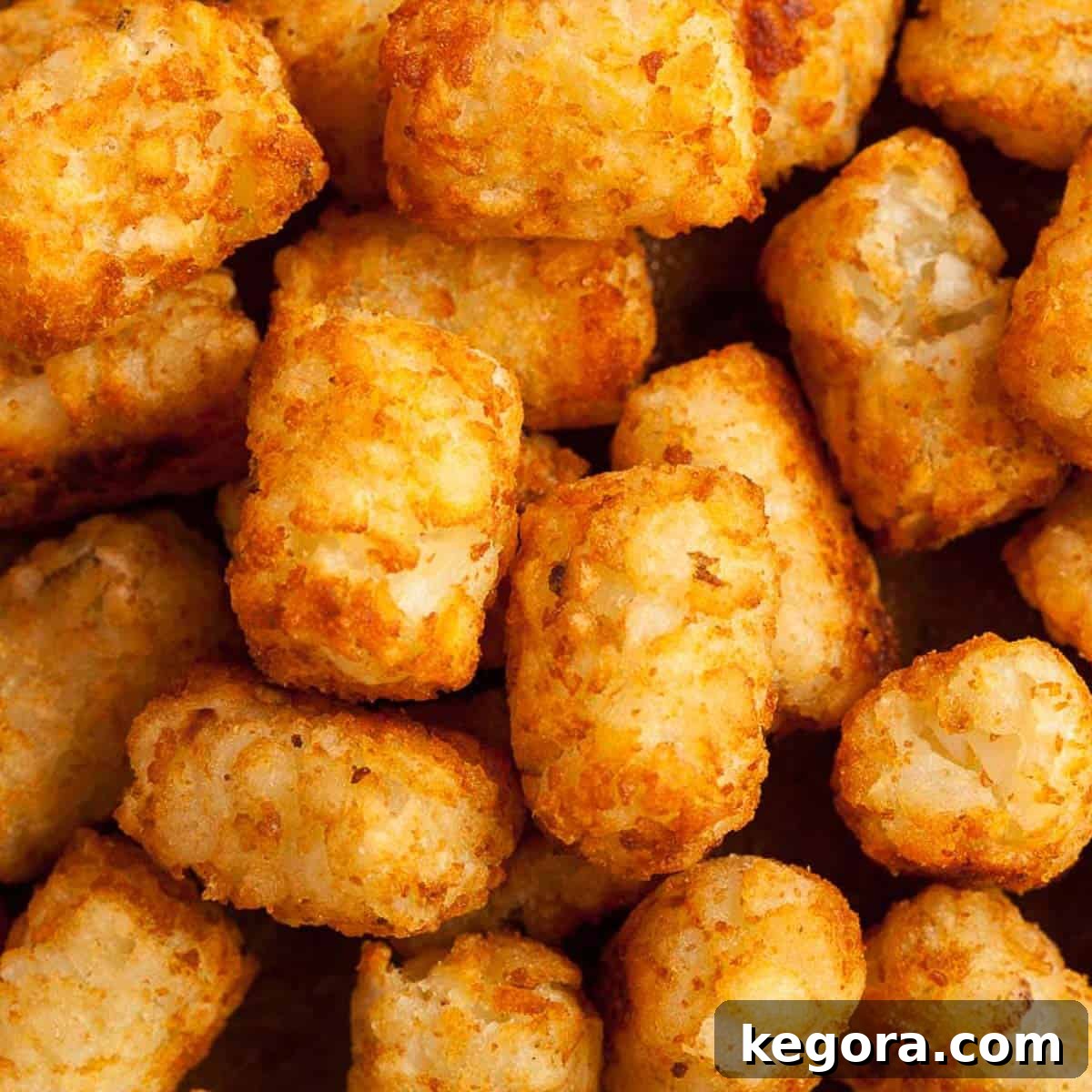
QUICK ANSWER
Yes, tater tots are inherently potato-based and typically gluten-free! However, diligent label reading for packaged products and careful inquiry at restaurants are essential to avoid potential cross-contamination.
While most manufacturers do not intentionally add wheat or gluten-containing ingredients to their tater tot recipes, there’s always a risk of cross-contamination during the manufacturing process. Similarly, tater tots served in restaurants can become contaminated if they are fried in oil shared with gluten-containing items.
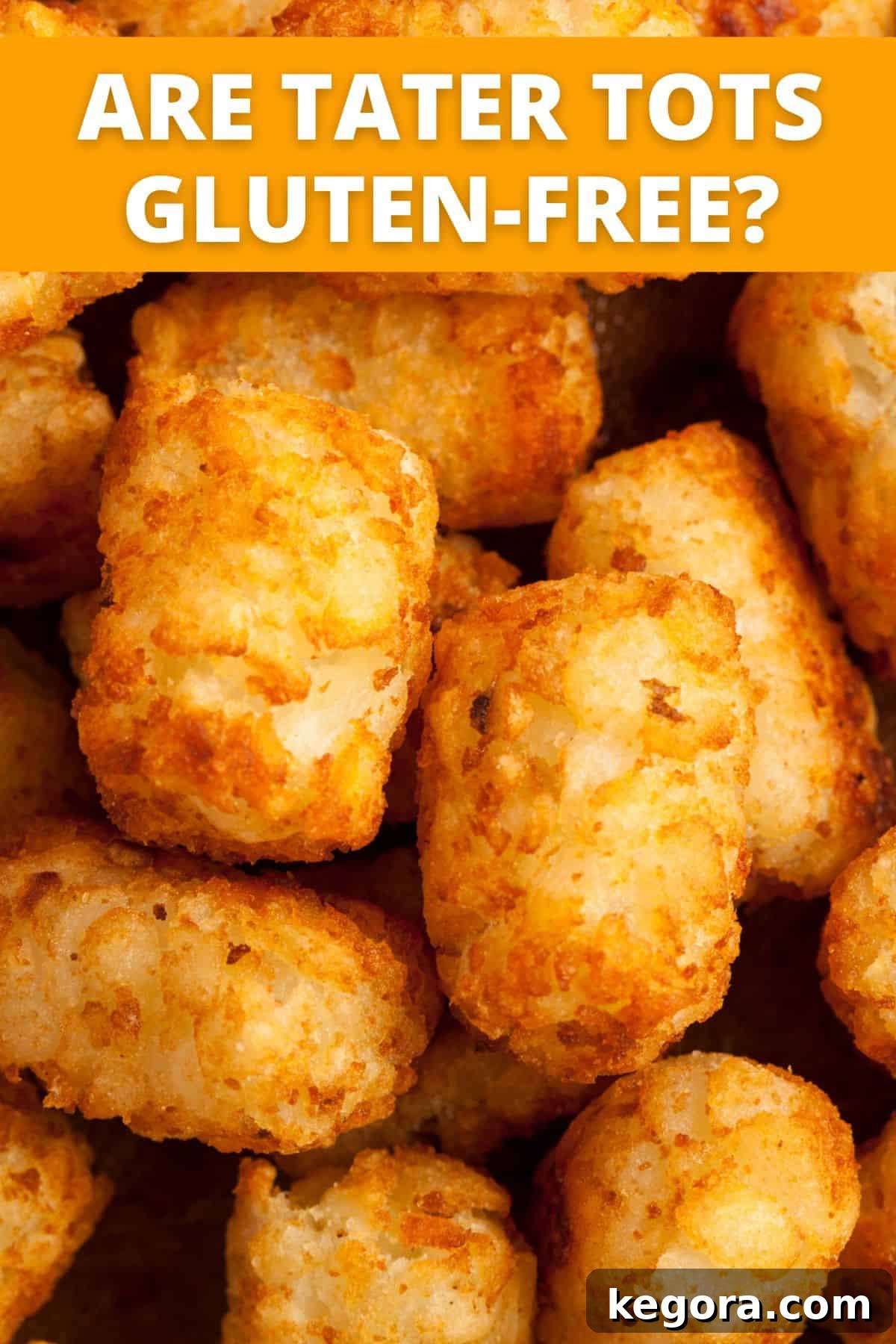
Are Tater Tots Gluten-Free? Your Comprehensive Guide
For individuals adhering to a gluten-free diet, whether due to celiac disease, gluten sensitivity, or personal preference, understanding which foods are safe to consume is paramount. Tater tots, those delightful crispy potato cylinders, often raise the question: are they truly gluten-free? The good news is that at their core, tater tots are made from potatoes, which are naturally gluten-free. However, the journey from potato to plate can introduce potential sources of gluten, making it crucial to be informed and vigilant.
Most commercially available frozen tater tots you’ll find in grocery stores are typically formulated without wheat flour or other gluten-containing ingredients. The primary concern arises from two main areas: **added ingredients** and **cross-contamination**. Some manufacturers might use wheat-based binders or coatings to achieve a particular texture or flavor, though this is less common for traditional tater tots. More frequently, the risk stems from shared manufacturing equipment. If tater tots are processed on the same lines as products containing wheat, rye, or barley, even if cleaned, trace amounts of gluten can transfer to the tater tots.
When dining out, the situation becomes a bit more complex. Restaurants often deep-fry multiple menu items in the same oil. If gluten-containing foods, such as breaded chicken tenders, onion rings, or fish and chips, are fried in the same oil as tater tots, the tots can absorb gluten particles. This is known as cross-contamination via a “shared fryer” and poses a significant risk for those with celiac disease or severe gluten intolerance. To mitigate this, always inquire about dedicated fryers when ordering tater tots at any restaurant or fast-food establishment.
While many brands may not explicitly carry a “gluten-free” label, some do. A product labeled “gluten-free” in the United States must meet the FDA’s strict standard of containing less than 20 parts per million (ppm) of gluten. This labeling provides the highest level of assurance. Ore-Ida tater tots, for instance, are a well-known exception, proudly displaying their gluten-free certification, making them a reliable choice for many.
Understanding Gluten-Free Labeling
Navigating food labels can be confusing. Here’s a quick breakdown of what to look for:
- “Gluten-Free” Label: This is the gold standard. It means the product meets FDA regulations for gluten content (less than 20 ppm).
- “Made with no gluten-containing ingredients”: This indicates that no gluten-derived ingredients were intentionally added, but it doesn’t guarantee against cross-contamination during processing.
- “May contain wheat”: This warning is a clear indication that the product is not safe for individuals with celiac disease or wheat allergies due to high risk of cross-contamination. Avoid these products.
Always remember that recipes and manufacturing processes can change, so it’s a good practice to check ingredient lists and allergen statements every time you purchase a product, even if it was previously safe.
For more articles on gluten-free living, explore is ketchup gluten-free, are french fries gluten-free, are potatoes gluten-free, are potato chips gluten-free and are mashed potatoes gluten-free.
What Are Tater Tots Made Of? Exploring the Ingredients
The beauty of a classic tater tot lies in its simplicity. At their core, these crispy morsels are primarily composed of grated or shredded potatoes, blended with a modest amount of oil and seasoned with salt. However, to achieve their signature texture, stability, and golden-brown finish, commercial tater tots often include a few additional ingredients. Understanding these components can help you identify potential gluten risks and make informed choices.
Let’s take a look at the typical ingredient list for a popular brand like Ore-Ida’s Golden Tater Tots, which are certified gluten-free:
- Potatoes: The foundational ingredient, naturally gluten-free.
- Vegetable oil blend (soybean and cottonseed): Used for frying and texture. These oils are gluten-free.
- Salt: A staple seasoning, always gluten-free.
- Yellow corn flour: Often used as a binder or coating to help achieve crispiness. Corn is naturally gluten-free, but always ensure it’s not cross-contaminated with wheat during processing.
- Dextrose: A simple sugar derived from corn or other starches, typically gluten-free.
- Sodium acid pyrophosphate (to retain natural color): A food additive used to prevent discoloration of the potatoes; gluten-free.
- Dehydrated onion: A flavor enhancer; gluten-free.
- Sodium acid sulfate: Another additive, usually gluten-free.
- Natural flavors: This category can sometimes be tricky. While most natural flavors are gluten-free, some can be derived from gluten-containing grains. However, for a product to be labeled “gluten-free,” all ingredients, including natural flavors, must meet the 20 ppm standard.
As you can see, the core ingredients are naturally gluten-free. The key is to ensure that no wheat-based thickeners, starches, or flavorings are introduced, and that manufacturing processes prevent cross-contamination. Always prioritize products with clear “gluten-free” labeling for absolute peace of mind.
If you’re interested in making your own, homemade tater tots offer the ultimate control over ingredients, guaranteeing a gluten-free outcome. Simply combine grated potatoes, your choice of gluten-free binder (like cornstarch or rice flour), and seasonings, then bake or air fry for a delicious, safe treat. Try these recipes for gluten-free mashed potatoes, gluten-free scalloped potatoesand dairy-free potato soup.
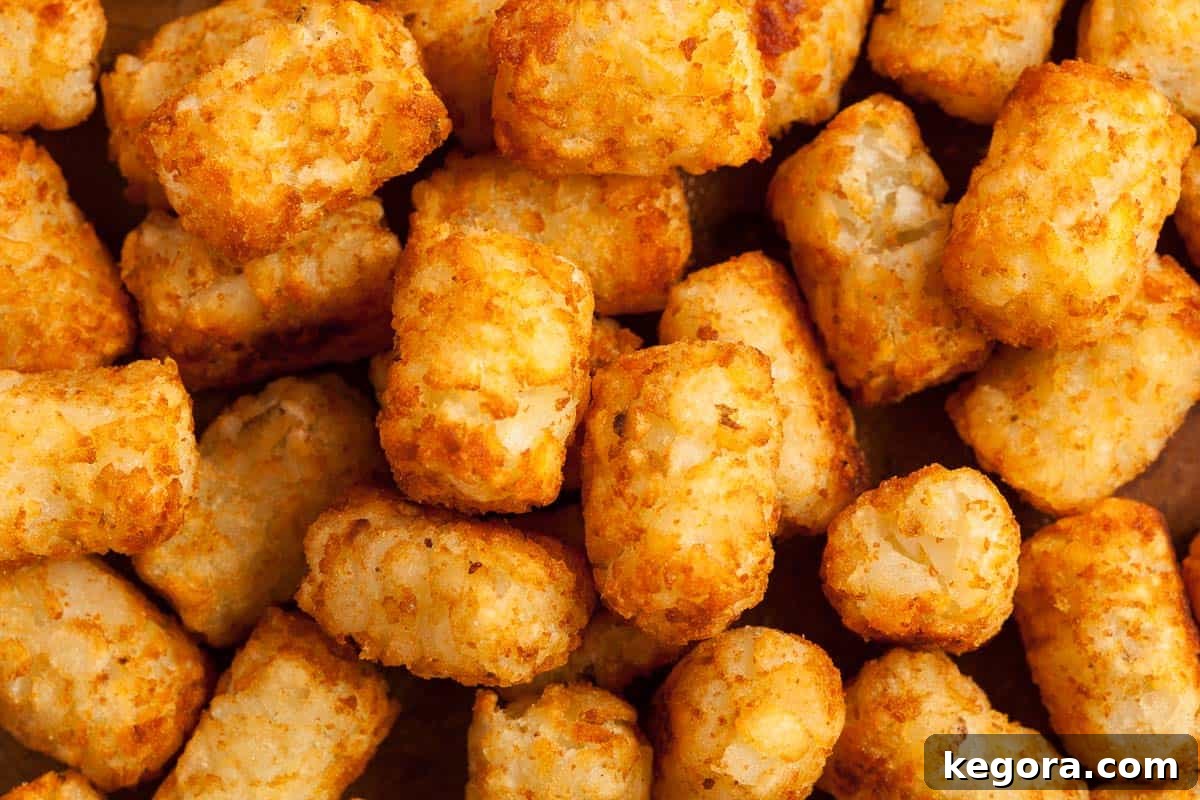
What Brands of Tater Tots Are Gluten-Free? Making Safe Choices
When it comes to selecting gluten-free tater tots from the freezer aisle, discerning shoppers need to distinguish between products that are “made with no gluten-containing ingredients” and those that are “certified gluten-free.” While many brands avoid gluten in their ingredient lists, only certified products guarantee compliance with strict gluten-free standards and minimal risk of cross-contamination.
Certified Gluten-Free Options: The Safest Bet
For individuals with celiac disease or high sensitivity to gluten, certified gluten-free products are always the most reliable choice. Currently, there is one widely available brand that confidently carries the “gluten-free” label on its tater tots, meaning they meet the FDA standard of less than 20 parts per million (ppm) of gluten:
- Ore-Ida Golden Tater Tots and Mini Tater Tots: Ore-Ida is a leader in the frozen potato market and consistently offers various gluten-free potato products. Their tater tots are explicitly labeled as gluten-free, providing peace of mind for consumers.
Brands Without Gluten-Containing Ingredients (Exercise Caution)
Many other tater tot brands do not list any gluten ingredients and do not carry a “may contain wheat” warning, suggesting they are likely safe for many. However, without a “gluten-free” certification, there’s a non-zero risk of cross-contamination during processing. Always read the label meticulously before purchasing. These brands are often considered suitable for those with mild gluten sensitivities but may not be ideal for strict gluten-free diets:
- Market Pantry Crispy Potato Puffs (Target): The Target website often specifies that these products “Does not contain any of the 8 major allergens,” which is a good indicator, but always check the specific packaging.
- 365 by Whole Foods Market Tater Puffs, Organic Tater Puffs, and Sweet Potato Puffs: Known for their commitment to natural ingredients, their potato puffs are typically free from gluten-containing ingredients.
- Alexia Foods Organic Yukon Select Puffs, Crispy Sweet Potato Puffs, and Crispy Seasoned Potato Puffs: Alexia is renowned for its gourmet frozen potato options. Their tater tot varieties usually do not contain gluten ingredients, but lack certification.
- Trader Joe’s Trader Potato Tots and Sweet Potato Tots: Trader Joe’s often offers products free from common allergens. Their tater tots generally fall into this category, but specific product details should always be verified.
- Cascadian Farm Organic Spud Puppies: An organic option, these shredded potato puffs are typically free of gluten-containing ingredients.
- Publix Tater Bites: Store-brand options can be a mixed bag; always check the current ingredient list and allergen information.
- Lamb Weston Tater Puffs: A major food service supplier, many of their retail products are free of gluten ingredients.
Brands to Avoid (Due to Cross-Contamination Warnings)
Some brands explicitly warn consumers about potential cross-contamination with wheat. These products are not suitable for those following a strict gluten-free diet:
- Walmart’s Great Value Taters: Despite not listing wheat as an ingredient, their nutritional information often includes a disclaimer stating: “May contain traces of milk, eggs and wheat.” This “may contain” warning makes them a risky choice for anyone with celiac disease or a serious gluten intolerance. It’s best to opt for a certified gluten-free alternative if you see such a warning.
Frequently Asked Questions About Gluten-Free Tater Tots
Yes, Ore-Ida brand tater tots are a reliably gluten-free option! The Ore-Ida company, famous for its potato products, explicitly labels its regular golden tots, mini tots, and extra crispy tots as gluten-free. This means they meet the stringent FDA standards of less than 20 parts per million of gluten, making them a safe choice for individuals with celiac disease or non-celiac gluten sensitivity.
According to the Sonic allergen guide, Sonic’s tater tots do not contain gluten ingredients. However, as with most fried items in fast-food restaurants, the primary concern is cross-contamination from shared fryers. It is crucial to ask at your local Sonic if their tater tots are fried in a dedicated fryer or if they share a fryer with gluten-containing items like breaded chicken or corn dogs. Some locations may have separate fryers, while others may not. Always verify with the staff to ensure your order remains gluten-free.
Chick-fil-A lists their hash browns (which are similar to tater tots in composition and preparation) as a suitable menu choice for customers eating gluten-free. However, they also issue a standard disclaimer: “We cannot ensure that our restaurant environment or any menu item prepared in the restaurant will be completely free of gluten.” Therefore, you must inquire with staff about their frying practices. Ask if the hash browns share a fryer with gluten-containing items such as chicken nuggets or other breaded products. If they do, trace amounts of gluten from cross-contamination will be present, and the hash browns would not be entirely gluten-free.
Alexia Foods offers several varieties of potato puffs, including Organic Yukon Select Puffs, Crispy Sweet Potato Puffs, and Crispy Seasoned Potato Puffs with roasted garlic and cracked black pepper. Upon reviewing their ingredient lists, these varieties typically do not include any gluten-containing ingredients. However, Alexia tater tots are not certified gluten-free, which means there isn’t an official guarantee of zero cross-contamination during manufacturing. While they are often a safe choice for those with mild sensitivities, individuals with celiac disease should weigh the potential risks and consider certified options.
Great Value Taters, Walmart’s store brand, are made primarily from potatoes, palm oil, salt, dextrose, onion powder, hydroxypropyl methylcellulose, and white pepper, none of which are gluten-containing ingredients. However, their packaging usually includes a critical warning: “May contain traces of milk, eggs and wheat.” This advisory indicates a significant likelihood of cross-contamination during the production process. For anyone on a strict gluten-free diet, especially those with celiac disease, this “may contain” warning signifies that these tater tots are not a safe option. It is strongly recommended to choose certified gluten-free brands like Ore-Ida instead.
While both tater tots and hash browns are beloved potato dishes made from shredded potatoes, they differ primarily in their shape, preparation method, and resulting texture. Tater tots are typically formed into small, cylindrical nuggets before being deep-fried or oven-baked, resulting in a crispy exterior and a soft, fluffy interior. Hash browns, on the other hand, are often pan-fried in a patty or loose shredded form, creating a larger, flatter potato cake that’s crispy all over. Both are incredibly delicious and offer comforting potato goodness, but their unique presentations make them distinct culinary experiences.
Traditional tater tots, particularly those found in fast food or the freezer aisle, are generally not considered a health food. Made from white potatoes, they are often deep-fried in oil and generously salted, and frequently served with dips like ketchup. While they can be satisfying and provide carbohydrates, they tend to be high in fat (especially saturated and trans fats if unhealthy oils are used) and sodium, while offering limited essential nutrients compared to whole, unprocessed foods. They are often seen as a treat or a side dish rather than a primary source of nutrition.
However, you can significantly enhance the health profile of tater tots, especially if you make them at home. Consider these healthier alternatives:
- Homemade Ingredients: Use fresh, organic potatoes and choose healthier cooking oils like olive oil or avocado oil.
- Add Vegetables: Incorporate finely grated vegetables such as cauliflower, broccoli, carrots, or zucchini into your potato mixture for added nutrients and fiber.
- Reduced Sodium: Control the amount of salt you add, opting for herbs and spices for flavor instead.
- Healthier Cooking Methods: Instead of deep-frying, try baking your tater tots in the oven or using an air fryer. This drastically reduces the amount of added fat while still achieving a wonderfully crispy texture.
By making these simple modifications, you can enjoy guilt-free, delicious tater tots that contribute more positively to a balanced diet. It’s worth noting that some products like “Green Giant Veggie Tots” exist, which replace potatoes with vegetables like cauliflower and broccoli. While these may offer more nutrients, always check their labels, as some varieties (like Green Giant’s) may contain wheat and thus are not suitable for gluten-free diets.
The Bottom Line: Enjoying Gluten-Free Tater Tots Safely
Tater tots, in their fundamental form, are a gluten-free food made from simple ingredients like potatoes, oil, and salt. This makes them an accessible and often enjoyable option for those following a gluten-free lifestyle. However, navigating the world of packaged and restaurant-served tater tots requires a vigilant approach to ensure they remain safe and truly gluten-free.
When shopping for frozen tater tots, your safest bet is to opt for brands that are explicitly labeled as “gluten-free.” This certification provides the highest assurance that the product meets stringent standards and has been tested for gluten content below 20 ppm. Ore-Ida is a prime example of a widely available brand that offers certified gluten-free tater tots. Be wary of products that, while not listing gluten ingredients, carry a “may contain wheat” warning, as these are unsuitable for strict gluten-free diets due to cross-contamination risks during manufacturing.
Dining out introduces an additional layer of complexity. Always be proactive and inquire about preparation methods at fast-food establishments and sit-down restaurants. The most common pitfall is the use of shared fryers, where gluten-containing items contaminate otherwise gluten-free foods. Politely ask if the tater tots are fried in a dedicated fryer that only handles gluten-free items. If a dedicated fryer is not available, it might be best to choose another menu item to avoid potential gluten exposure.
Ultimately, enjoying tater tots on a gluten-free diet is entirely possible with a bit of awareness and careful decision-making. By checking labels diligently, asking informed questions at restaurants, and considering homemade options, you can savor these crispy potato delights without worry.
You also might like this sausage hashbrown breakfast casserole and this collection of gluten-free breakfast recipes!